Iranse jachten openen vuur op tanker in Hormuz: nieuwe eskalatie in blokkadecrisis
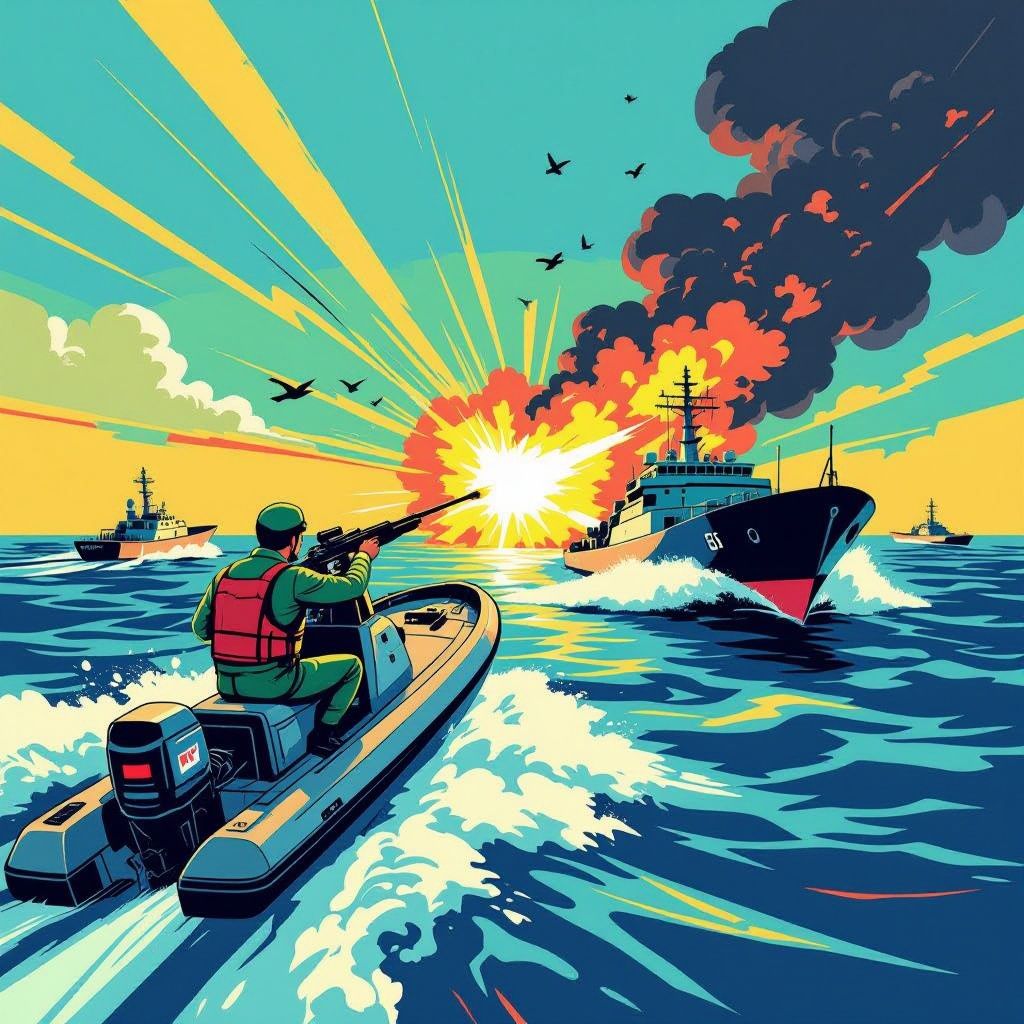
Straat van Hormoz, zaterdag, 18 april 2026.
Iranse revolutionaire garde jachten hebben zaterdag vuur geopend op een commerciële tanker in de Straat van Hormuz. Het incident vond plaats kort nadat Iran aankondigde de zeeweg weer onder controle te nemen. Volgens de Britse maritiene operatiecentrale raakte het schip beschadigd, maar bleef de bemanning ongedeerd. De aanval gebeurde in internationale wateren tijdens een periode van sterk oplopende spanningen. Iran dwingt nu alle schepen tot stilstand en eist goedkeuring en betaling voor passage. De strategisch cruciale vaarroute transporteert zo’n twintig procent van de wereldolië. De actie volgt op een kort gedingende ontspanning na een wapenstilstand tussen Israël en Hezbollah. Nu lijkt die rust snel te verdwijnen. De Verenigde Staten handhaven hun eigen blokkade op Iranse havens. De situatie brengt enorme risico’s met zich mee voor de mondiale energievoorziening en maritieme veiligheid. Nederlandse handelsstromen zijn hier kwetsbaar voor.
iran escalates control in strait of hormuz with live fire
In international waters of the Strait of Hormuz, Iranian Revolutionary Guard gunboats opened fire on a commercial tanker on April 18, 2026 [1]. The vessel sustained damage but the crew remained safe according to the UK Maritime Trade Operations [2]. The attack occurred shortly after Iran reversed its brief reopening of the strategic chokepoint [1]. Tehran reinstated full military control over all transits, demanding prior authorization and toll payments from merchant vessels [1]. This action directly challenges freedom of navigation in a corridor handling approximately 20% of global oil shipments [3].
dueling blockades deepen regional instability
Iran’s actions respond to an ongoing U.S. naval blockade of Iranian ports initiated on April 15, 2026 [4]. That measure halted all seaborne trade to and from Iran within 36 hours of implementation [4]. While Iran briefly eased access in the Strait of Hormuz following a ceasefire between Israel and Hezbollah [3], Washington maintains its port blockade pending a comprehensive deal covering Tehran’s nuclear program [1]. The reciprocal blockades create a volatile stalemate [3]. Without mutual concessions, maritime risks and energy market disruptions persist globally [GPT].
naval brinkmanship raises conflict risks
The tanker incident follows reports of a dangerous naval encounter between Iranian and U.S. forces in the same region [5]. Iranian state media confirmed Revolutionary Guard units targeted U.S. warships with radar locks simulating missile engagements [5]. Such actions signal heightened readiness for escalation [5]. Direct confrontation between major powers in this confined waterway could trigger unintended warfare [GPT]. Regional actors like India and European nations rely heavily on uninterrupted passage through the Strait of Hormuz for energy imports [GPT]. Any prolonged disruption threatens economic stability beyond the Middle East [GPT].
global energy markets face mounting pressure
Approximately twenty percent of the world’s oil passes through the Strait of Hormuz, making it a critical energy artery [1][4]. Market volatility has intensified as conflicting blockades continue [3]. Earlier in April, oil prices rose sharply with US crude reaching $104.24 per barrel and Brent hitting $102.29 [previous context]. Although temporary openings caused brief price drops, renewed hostilities reignited supply concerns [3]. Countries dependent on Gulf energy, including the Netherlands, face increased costs and logistical challenges [GPT]. Energy diversification efforts may accelerate if maritime insecurity persists [GPT].
Bronnen
- www.nsnews.com
- www.thehindu.com
- www.youtube.com
- laist.com
- timesofindia.indiatimes.com
- dgki.laio.info