us raises alarm on israeli espionage amid iran war tensions
Washington D.C., zondag, 7 juni 2026.
the pentagon has elevated its threat assessment of israeli espionage to ‘critical’—its highest level—marking a rare public fracture with a close ally. american officials express concern over intensified surveillance targeting top policymakers, including trump’s envoy steve witkoff and pentagon leaders elbridge colby and michael dimino iv. this shift comes amid strained us-israeli relations over iran ceasefire negotiations and ongoing military actions in lebanon. while israel denies the claims, internal dodi documents cite a surge in both human and technical spying efforts, prompting stricter safeguards for u.s. personnel traveling to israel. the move signals deep unease within washington’s national security apparatus.
us raises alarm on israeli espionage amid iran war tensions
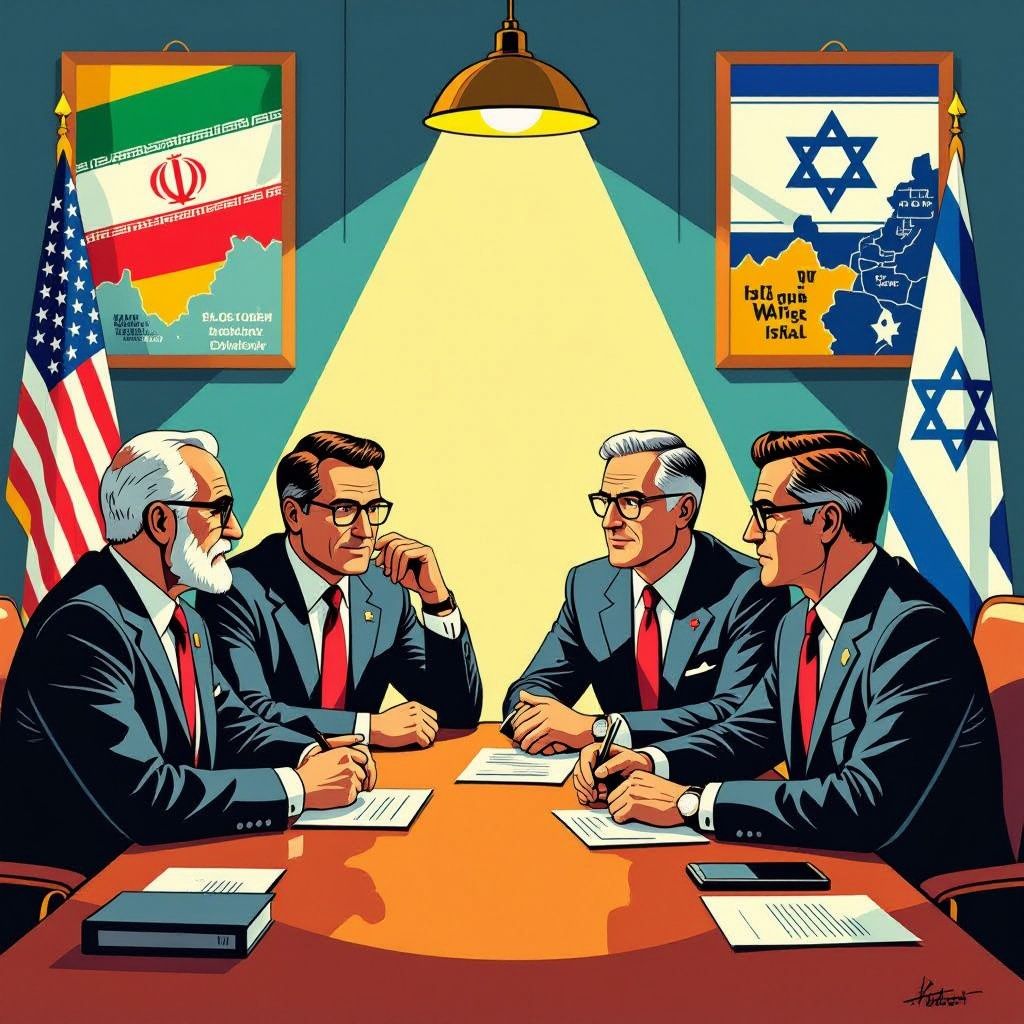
The united states has raised its counterintelligence threat level regarding israeli espionage to ‘critical,’ the highest designation, signaling profound concern within the pentagon [1]. This move reflects growing anxiety over intensified israeli surveillance directed at senior u.s. officials, including trump’s special envoy steve witkoff and pentagon policy leads elbridge colby and michael dimino iv [1][2]. The elevation comes amid fraying diplomatic ties, driven by disagreements over iran ceasefire efforts and israeli military actions in lebanon [1][2]. While israel dismisses the claims, internal u.s. assessments detail escalating risks [1][2].
historical patterns and recent escalations
Concerns over israeli espionage are not new, but recent activities mark a significant intensification. Since late 2024, u.s. intelligence agencies have documented a rise in israeli spying operations, culminating in the 2025 upgrade to a ‘high’ threat level [2]. Current assessments now place the threat at ‘critical,’ based on a 7-page defense intelligence agency report detailing advanced human and technical collection efforts by israel [2]. Previous incidents, such as alleged attempts to plant bugs at the dia headquarters in 2021 and in a secret service vehicle in 2025, foreshadowed persistent tactics [1][2].
diplomatic friction and operational responses
The heightened threat perception stems directly from strategic disagreements, particularly surrounding the iran war initiated on february 28, 2026, and subsequent ceasefire discussions [1][2]. Tensions peaked following a tense june 2nd phone call between president trump and prime minister netanyahu, where trump reportedly called netanyahu ‘crazy’ amidst arguments over iran and lebanon [2]. In response to the espionage threat, u.s. officials travelling to israel are taking extra precautions, sometimes using temporary communication devices and exercising caution in hotel rooms [2]. Despite denials from israeli and white house officials labeling the reports ‘false,’ the pentagon’s action indicates a serious internal assessment [1][2].
institutional reactions and future implications
The u.s. national security apparatus is reacting concretely to the perceived threat. Five mossad agents have already been expelled from the u.s. in 2026, and seven american tech firms have been identified as targets of israeli industrial espionage since 2025 [3]. The pentagon plans a comprehensive review of security protocols for diplomatic staff in israel, scheduled before july 15, 2026 [3]. Experts note israel’s intelligence services are exceptionally active, driven by intense interest in u.s. strategic thinking, particularly concerning iran [2]. This situation tests the resilience of a key alliance under stress [1][2][3].