dutch writers demand meta stops using their work for ai
Amsterdam, vrijdag, 27 februari 2026.
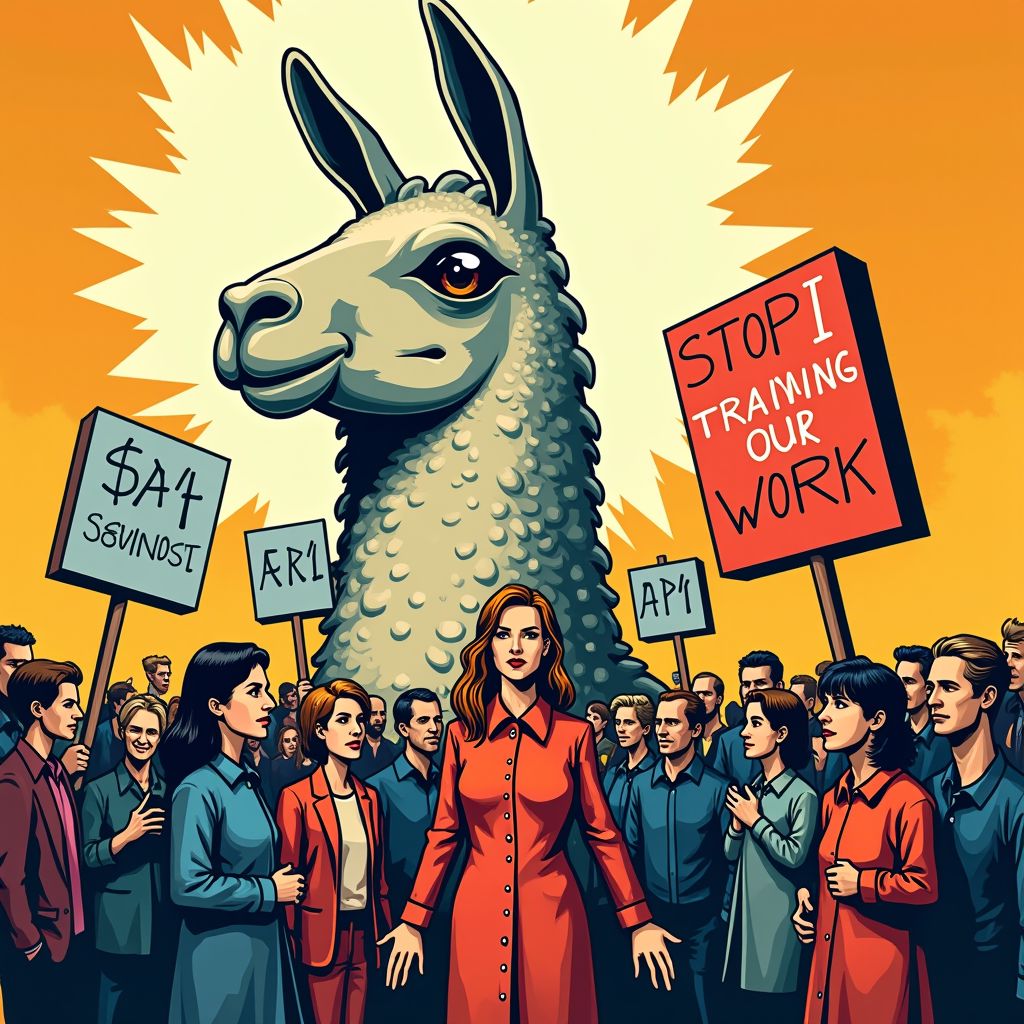
dutch authors, translators and journalists are taking a stand against meta. they sent a formal warning demanding the company immediately stop using copyrighted texts to train its ai models like llama. these creators say their work was taken from illegal datasets such as library genesis. they stress they receive no payment while meta profits commercially. “authors are not free raw material”, says auteursbond chair liesbet van zoonen. the move marks a growing pushback from creatives worldwide who see ai companies profiting from stolen content. the legal battle could reshape how ai firms access written data in europe.
amsterdam authors take united stance against meta
Dutch writers, translators, and journalists based in Amsterdam have jointly challenged Meta’s use of copyrighted materials for artificial intelligence development [1]. The coalition, comprising the Auteursbond, the Netherlands Association of Journalists (NVJ), and Stichting Lira, issued a cease-and-desist letter demanding immediate termination of unauthorized usage of literary works [2]. They argue that Meta trained its Llama AI models using texts sourced from Library Genesis, an illicit digital repository hosting millions of protected publications [3]. This collective action underscores mounting resistance among European creatives toward large technology firms leveraging intellectual property without compensation [2][3].
intellectual property concerns fuel legal pressure
The organizations assert that Meta’s actions violate established copyright laws under Dutch and European frameworks [2]. Authors contribute essential linguistic data necessary for refining natural language processing algorithms, yet receive no remuneration despite Meta pursuing substantial commercial gains through AI products [1][3]. Liesbet van Zoonen, chair of the Auteursbond, emphasized that creators are not free raw material for tech conglomerates aiming to dominate global AI markets [3]. She further stated that ongoing practices threaten authorial livelihoods, especially as automated systems increasingly displace human roles in writing and translation sectors [2][3].
precedents shape evolving ai and copyright debates
Earlier rulings in the United States complicated enforcement efforts after a federal judge classified similar data scraping activities as permissible fair use during AI training processes [3]. However, European jurisdictions may apply stricter interpretations aligned with robust creator protections under the Digital Services Act and national legislation [3]. The New York Times previously initiated litigation against OpenAI, setting a precedent for publisher-led challenges against generative AI enterprises [3]. Meanwhile, Anthropic settled potential disputes related to Library Genesis usage, signaling industry awareness of legal vulnerabilities [3]. Dutch advocates now seek to influence policy outcomes ahead of broader regulatory decisions affecting AI data governance in Europe [2][3].