how cocaine hides among the flowers at aalsmeer
Aalsmeer, maandag, 2 maart 2026.
the flower auction in aalsmeer is one of europe’s busiest hubs. every day, thousands of trucks carry fresh blooms across borders. criminals exploit this rapid logistics network to smuggle drugs. hidden in crates of roses and tulips, cocaine and xtc move undetected. authorities now confirm the site as a key node in international drug trade. despite years of investment in security, the scale of infiltration reveals deep vulnerabilities. law enforcement calls the floral supply chain a logistical dream for cartels. the bloom of crime runs deep beneath the petals. investigations continue as trust in a vital dutch export sector begins to crack.
drugsmuggling exposed at aalsmeer flower auction
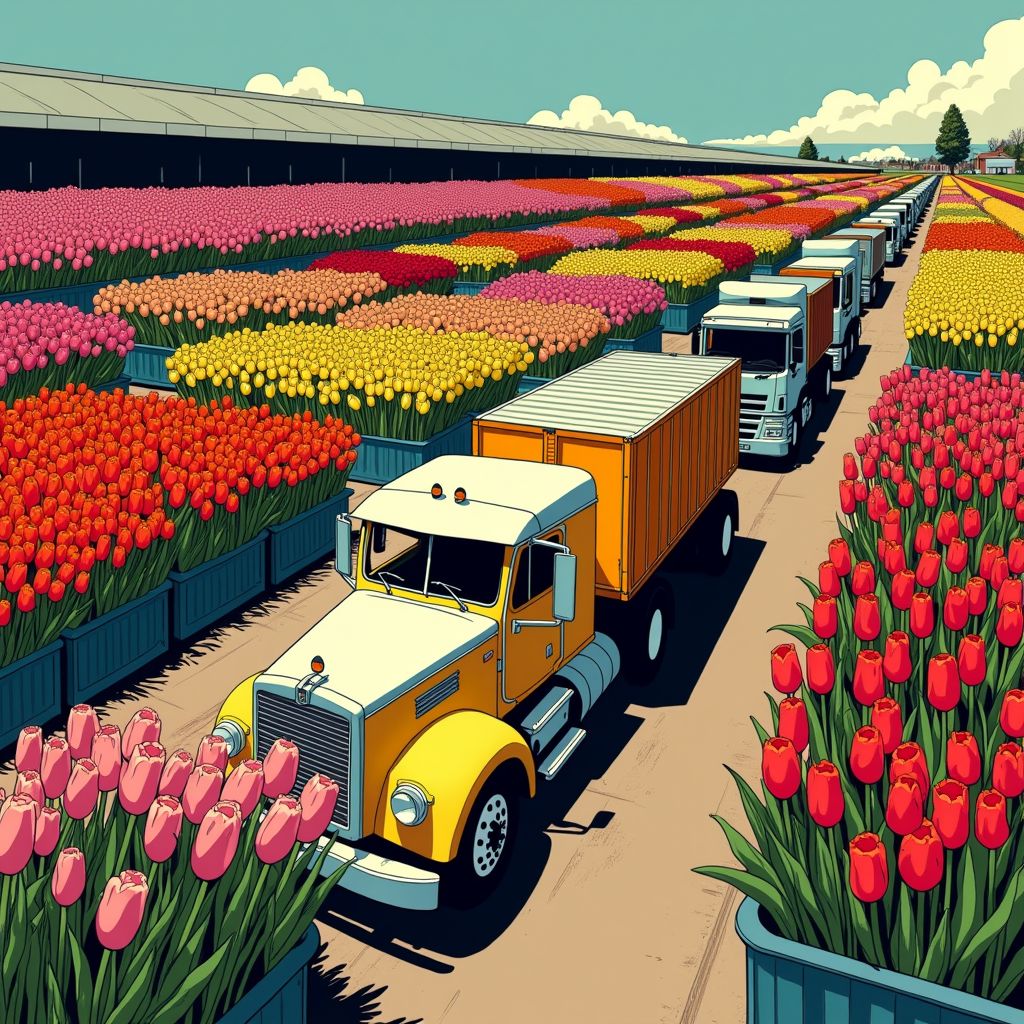
The flower auction in Aalsmeer serves as one of Europe’s largest distribution centers for cut flowers. Daily operations involve thousands of trucks transporting blooms across international borders [1]. Criminal networks exploit this high-volume logistics system to traffic illicit substances. Cocaine and ecstasy tablets are concealed within shipments of roses and tulips destined for foreign markets [1]. Law enforcement agencies confirm the floral supply chain has become a conduit for transnational drug trafficking [2]. The scale of integration suggests organized crime groups operate with significant coordination.
floral infrastructure exploited by organized crime
Royal FloraHolland handles immense volumes of perishable goods under tight time constraints. Speed and efficiency dominate its logistics framework [3]. These same qualities create blind spots for contraband concealment. Authorities note that containers moving rapidly through inspection points offer ideal conditions for smuggling [2]. Organized gangs embed narcotics within legitimate cargo before departure. Investigations reveal that some actors inside the supply chain assist these efforts [1]. Police describe the sector as vulnerable due to insufficient access controls compared to ports or airports [4].
law enforcement responds to growing threats
For years, government bodies have invested in securing the Aalsmeer site against criminal exploitation. Despite measures, persistent breaches indicate systemic weaknesses remain [1]. Judicial officials emphasize that the horticulture industry functions as a transit hub in global drug routes [2]. Security upgrades including stricter entry protocols and surveillance improvements are being considered [4]. Experts argue physical barriers alone won’t resolve corruption risks among personnel [1]. Current probes aim to dismantle embedded networks rather than target isolated incidents [3].
economic and reputational consequences emerge
Netherlands exports approximately €6 billion worth of flowers annually, making integrity crucial [GPT]. Any erosion of trust threatens international confidence in the sector’s reliability [2]. Buyers abroad rely on timely, uncontaminated deliveries. Suspicion surrounding cargo authenticity could disrupt commercial relationships [1]. Industry leaders face pressure to implement tighter oversight mechanisms [4]. While no major client withdrawals have been reported yet, intelligence services warn of potential downstream effects if vulnerabilities persist unchecked [3]. Maintaining legitimacy is essential for continued market dominance.