british study reveals 75,000 dead in gaza with majority being women and children
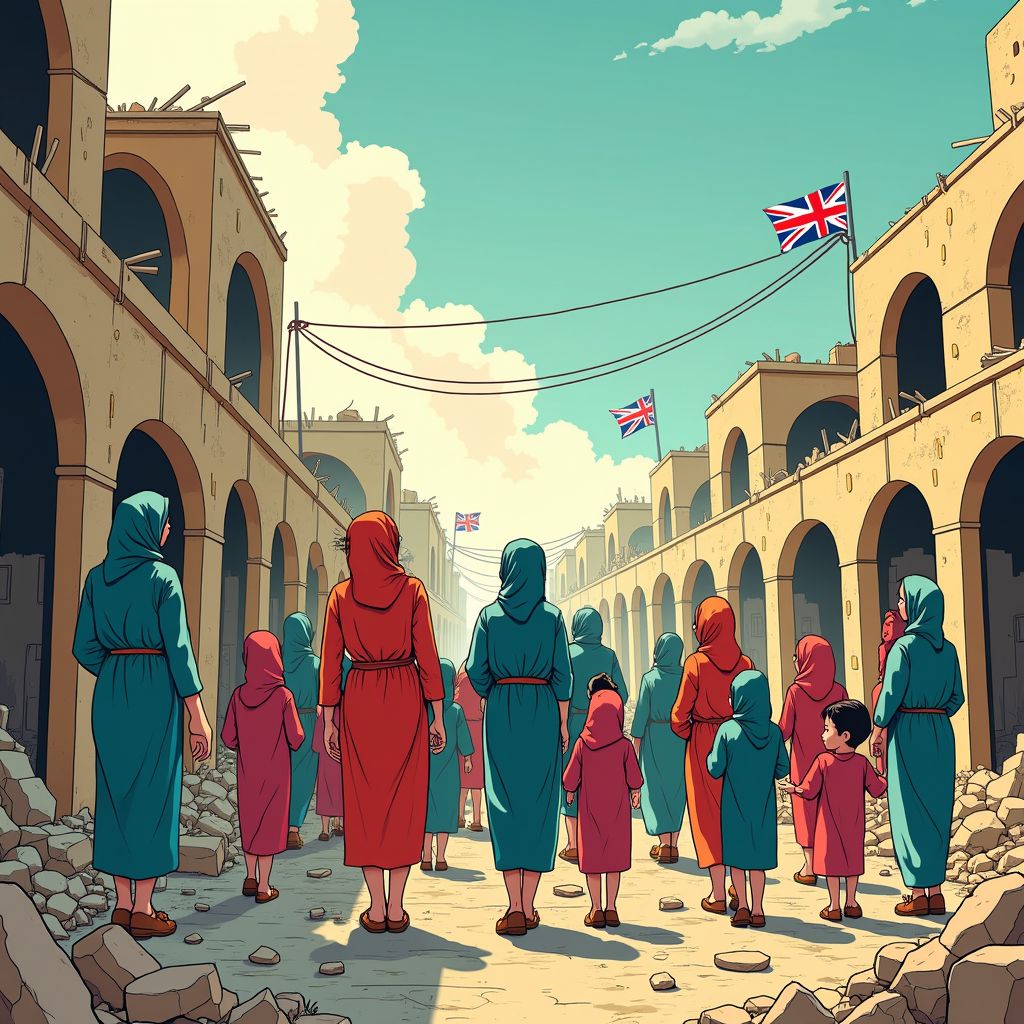
Gaza, donderdag, 19 februari 2026.
A british study published in the lancet estimates 75,200 violent deaths in gaza between october 2023 and january 2025. this figure is significantly higher than initial palestinian health ministry reports. over half of those killed—around 42,200—were women, children, and adults aged 65 or older. researchers surveyed 9,700 individuals across 2,000 households, concluding that official counts were a serious undercount. the study highlights extreme harm to vulnerable groups and points to a severe humanitarian crisis. thousands more died from hunger and disease due to collapsed infrastructure. israeli officials have recently acknowledged the accuracy of gaza’s casualty data, adding weight to the findings. the report underscores prolonged suffering beyond active combat zones.
gaza conflict death toll revised upward in landmark lancet study
A comprehensive British-led study published in The Lancet estimates 75,200 violent deaths in Gaza between 7 October 2023 and early January 2025 [1]. This surpasses the Palestinian Health Ministry’s official tally of 49,090 for the same period by 53.188% [2][3]. Researchers attribute the discrepancy to widespread infrastructure destruction limiting real-time documentation [4]. The new figure aligns with earlier analyses suggesting systematic underreporting during major conflicts [5]. Independent verification strengthens confidence in the updated total [1][4].
disproportionate impact on women children and elderly
Of the 75,200 violent deaths recorded, approximately 42,200 were women, children, or individuals aged 65 and above [1][3]. This represents about 56% of all fatalities, underscoring the heavy toll on non-combatants [2]. The finding emerged from a Gaza Mortality Survey involving 9,700 interviews across 2,000 representative households [1][5]. Fieldwork occurred between late December 2024 and early January 2025, capturing data from accessible regions despite large-scale displacement [3][4]. Interviewers were local Palestinians trained to handle highly sensitive topics [1].
humanitarian collapse contributes to excess mortality
Beyond immediate violence, an additional 8,200 deaths occurred due to indirect causes such as malnutrition, lack of medical care, and deteriorating living conditions [1][3]. These non-violent fatalities stem directly from the conflict’s strain on essential systems [4]. Hospitals operated below capacity, with only 12 of 36 functioning partially by mid-2025 [3]. Chronic shortages of medicine, power, and clean water exacerbated public health risks [5]. Diarrhoeal diseases and acute jaundice surged, particularly affecting children under five [6]. The study excludes later famine-related deaths officially declared in August 2025 [1][3].
israeli acknowledgment adds credibility to casualty figures
Senior Israeli security officials have privately acknowledged the accuracy of Gaza’s Health Ministry fatality data [1][5]. One military officer stated the figures were “broadly accurate,” while internal assessments approximated 70,000 Palestinian deaths by January 2026 [1][3]. Previously skeptical Western analysts now treat the Ministry’s records as systematically conservative rather than inflated [4][5]. Despite this, the Israeli government has not established its own transparent casualty assessment mechanism [5]. Military operations continued after the October 2024 ceasefire, resulting in over 600 additional Palestinian deaths [6].
ongoing dangers persist despite formal ceasefire
Even following the declared ceasefire in October 2024, hostilities have persisted [6]. From late January to mid-February 2026 alone, 109 people were killed and 252 injured in Israeli attacks [6]. Explosive remnants litter urban areas, contributing to 33 documented incidents since the truce began [6]. Aid delivery remains obstructed, with 20% of recent humanitarian missions denied access [6]. Approximately 1.4 million people remain internally displaced, many residing in unstable shelters near contaminated ruins [6]. Medical evacuations resumed briefly in February 2026 through Rafah Crossing [6].