russia accelerates military expansion near nato borders
Petsamo, zaterdag, 13 juni 2026.
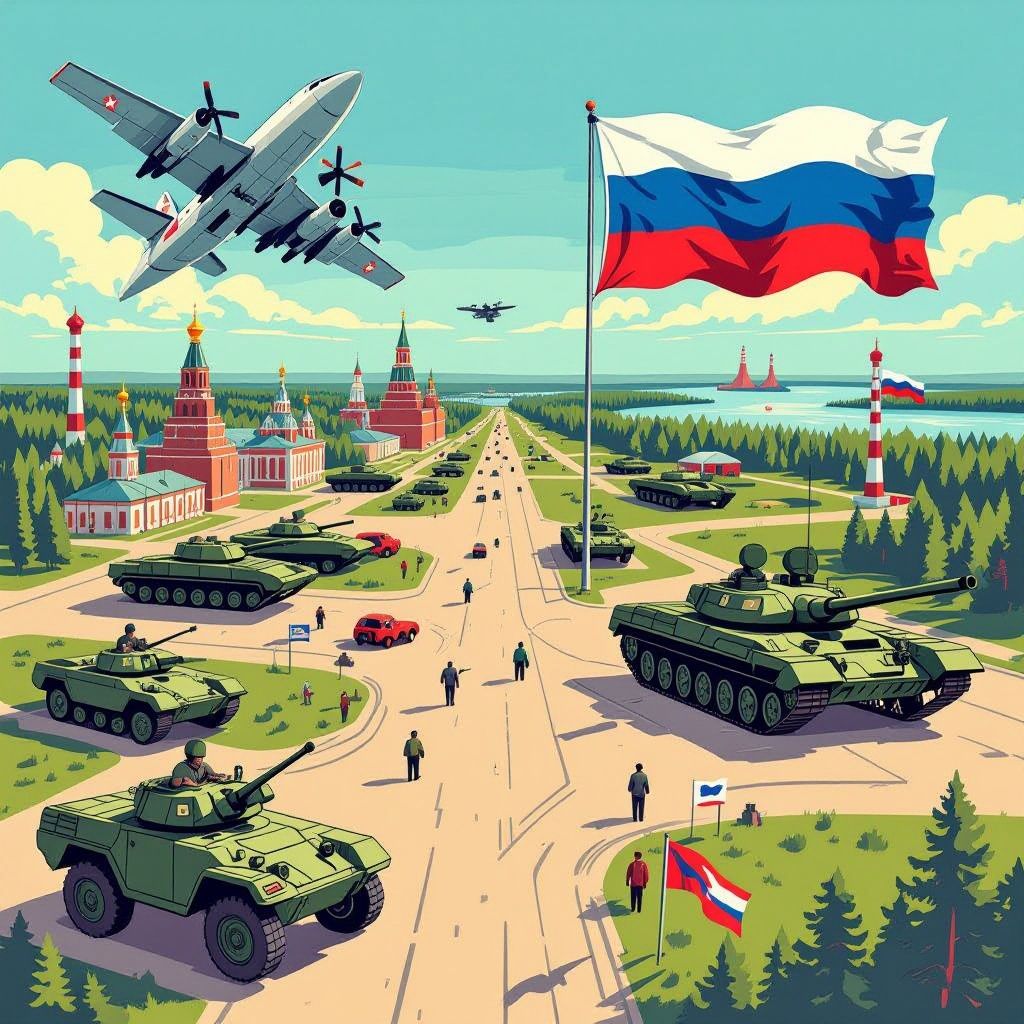
satellite images reveal russia rapidly constructing new military bases along nato’s frontier. major developments are underway in kamenka and petsamo near norway, and across the baltic states. one site near finland now holds 2,000 troops, while overall regional capacity has surged to 80,000. analysts warn this buildup signals a strategic shift, potentially positioning 115,000 russian soldiers close to nato territory. the expansion includes renovated airfields on the kola peninsula capable of hosting bombers and helicopters. swedish defense officials confirm the moves mirror warnings issued after finland and sweden joined nato, escalating geopolitical tensions in northern europe.
russian military construction intensifies near norwegian border
New satellite imagery shows extensive deforestation and infrastructure development in Kamenka and Petsamo, regions adjacent to Norway. Russian forces are constructing permanent military installations capable of housing thousands of personnel. The activity marks a significant escalation in military posture just kilometers from NATO territory. These sites enable rapid deployment and logistical support for northern operations. The scale suggests long-term strategic planning rather than temporary exercises [1]. Work continues despite diplomatic protests from Oslo [2].
troop capacity surges along finnish frontier
At Kamenka, approximately 60 kilometers from the Finnish border, troop capacity has expanded to accommodate 2,000 soldiers since February 1, 2026 [1]. Satellite analysis confirms completed barracks, supply depots, and defensive fortifications. Overall Russian military presence near Finland has grown dramatically. Capacity increased from 20,000 to 80,000 troops following Swedish and Finnish NATO accession [1]. That represents a 300% rise in potential force projection against alliance members [1].
petsjenga expansion triples combat readiness
In the Arctic region of Petsjenga, close to Norway’s northeastern tip, Russian military capacity has risen from 7,000 to 17,000 troops [1]. This growth enhances Moscow’s ability to project power into the Barents Sea and control key maritime routes. Infrastructure upgrades include hardened shelters and communication hubs. The area hosts regular large-scale drills involving mechanized units [1]. Such expansions signal a sustained commitment to northern dominance amid thawing polar conditions [3].
kola peninsula airbases modernized for strike missions
Former Soviet-era airfields on the Kola Peninsula are undergoing renovation to support advanced helicopter squadrons and long-range bomber detachments [1]. Upgrades allow year-round operations in extreme weather. Runways have been reinforced and extended to handle heavy payloads. Fuel storage and munitions bunkers are also being upgraded. These changes extend Russia’s aerial reach deep into Nordic airspace [1]. The modifications align with doctrine emphasizing standoff strikes during initial conflict phases [4].
analysts predict path toward 115,000 troop deployment
Military specialists assess that current construction patterns indicate plans to station up to 115,000 troops across northwestern Russia [1]. Much of this would consist of frontline combat brigades equipped for rapid mobilization. Such a concentration would rival Cold War levels near Europe’s flank. Analysts cite evidence from logistics networks, rail spurs, and maintenance facilities under construction [1]. This level of investment implies multi-year strategic intent beyond immediate deterrence messaging [5].
swedish defense leadership links buildup to nato integration
Swedish Defense Minister Michael Claesson stated the Russian military surge directly responds to Stockholm’s NATO accession alongside Helsinki [1]. “When we applied for membership, Russia said it would take such steps. We see now that this is happening,” he noted [1]. His assessment underscores how alliance enlargement triggers counterbalancing actions. Thomas Nilsson of Sweden’s Military Intelligence and Security Service called the trend a credible threat demanding serious attention [1].
russian embassy dismisses offensive interpretations
Vladimir Barbin, Russia’s ambassador to Denmark, rejected Western concerns about aggression [1]. He described speculation regarding attacks on NATO as false narratives designed to justify alliance expansion [1]. Moscow maintains its activities are defensive and proportionate to perceived threats [1]. However, independent analysts note the locations, timing, and scale exceed routine training needs [3]. Transparency remains limited, fueling regional suspicion among neighboring states [5].