vegan campaign shifts tone after consumer backlash
Utrecht, donderdag, 5 maart 2026.
the national initiative week without meat has changed its approach following widespread irritation and even aggression from consumers. the vegetarian association admitted the previous message felt too preachy and woke. supermarkets reported negative reactions to measures like offering oat milk next to regular dairy. now the campaign returns under a softer strategy called ‘swap something’. instead of demanding change, it invites small steps. project leader isabel boerdam says the goal is no longer pressure but choice. wageningen professor harm veling confirms that pushing restrictions often backfires. encouraging action works better than saying no. the health council’s 2025 report still stands—nederland needs less meat. but how that message lands matters just as much.
shift in messaging after consumer resistance
The annual Week Without Meat campaign has undergone a strategic overhaul following growing consumer pushback across the Netherlands. Participants reported feelings of being lectured, describing the initiative as overly ‘woke’ and confrontational [1]. Retailers noted aggressive customer responses to plant-based substitutions such as placing oat milk beside conventional dairy products [2]. Some supermarket chains distanced themselves from the campaign due to these tensions [1]. The reaction signals a broader societal sensitivity around dietary choices, particularly amid ongoing debates about agriculture policy and environmental regulations [3].
from confrontation to gentle encouragement
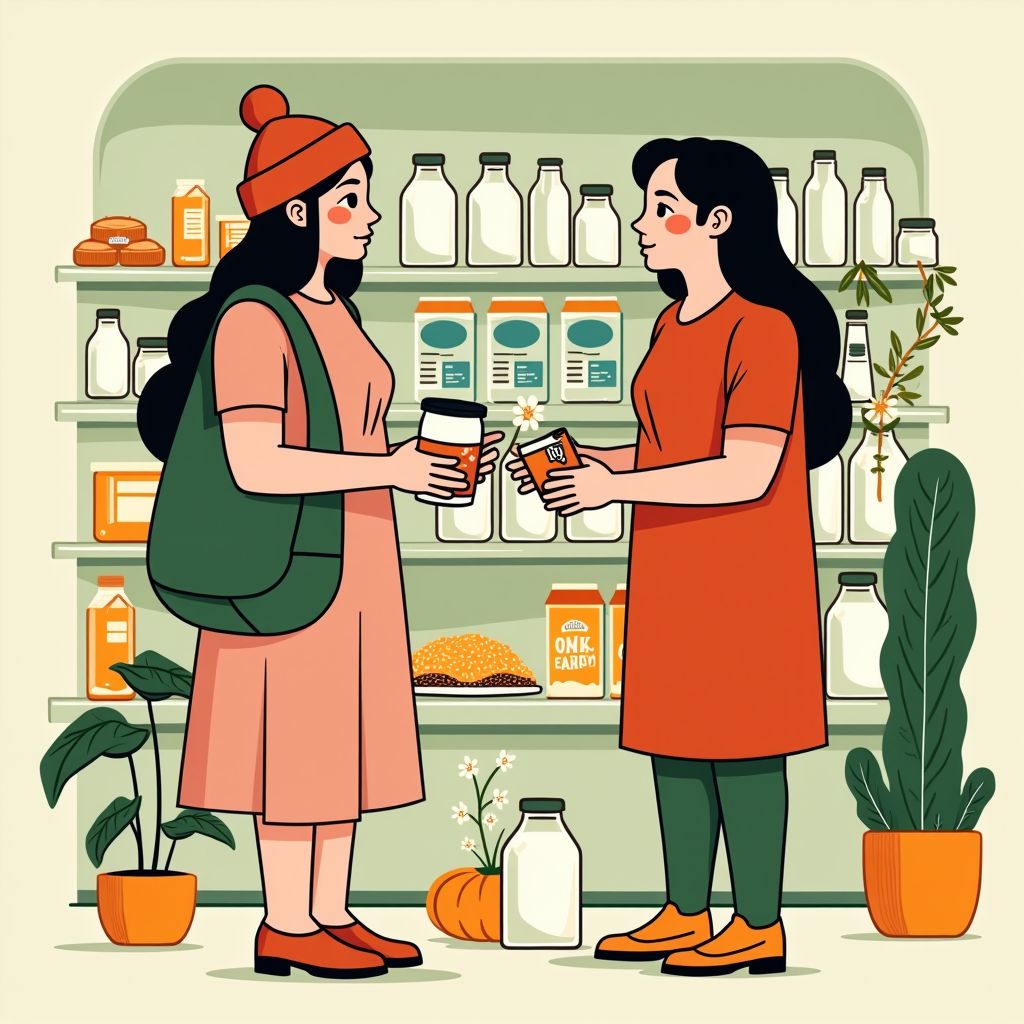
In response to criticism, organizers launched a new campaign titled ‘Swap Something’, replacing the traditional Week Without Meat. This revised effort emphasizes personal choice over obligation, promoting gradual changes rather than strict abstinence [1]. Project leader Isabel Boerdam stated the aim is no longer to demand action but to invite small adjustments, such as substituting oat milk for cow’s milk or eating legumes instead of minced meat [2]. She acknowledged past tones were too provocative, saying, “We need a more positive story” [3]. The soft approach aims to reduce polarization and increase public receptiveness [1].
scientific support amidst communication challenges
The call for reduced meat consumption remains grounded in scientific advice. A late 2025 report by the Health Council recommended Dutch citizens eat less animal protein to combat chronic illness and lower environmental impact [2]. However, Wageningen University professor Harm Veling pointed out that telling people what not to do often provokes resistance [3]. He emphasized that encouragement works better than restriction, noting that people respond positively when alternatives are appealing and tasty [1]. According to Veling, successful behavior change hinges on making sustainable options feel enjoyable, not sacrificial [2].
broader cultural and political backdrop
Changing attitudes toward food sustainability occur against a tense agricultural climate. Farmer protests and national nitrogen discussions have heightened sensitivities around rural livelihoods [1]. Political counteractions, including Caroline van der Plas’ ‘(H)eerlijke Hollandse Hap-week’, directly challenged earlier versions of the campaign [2]. With vegetarianism gaining ground since 2018, the Vegetarian Association recognizes the need for inclusive messaging [3]. While the core mission persists—promoting plant-rich diets—the method evolves toward inclusivity and flexibility, aiming to align with diverse lifestyles rather than oppose them [1][2].