eu releases 3 billion to soften blow of new carbon tax
Brussel, donderdag, 5 februari 2026.
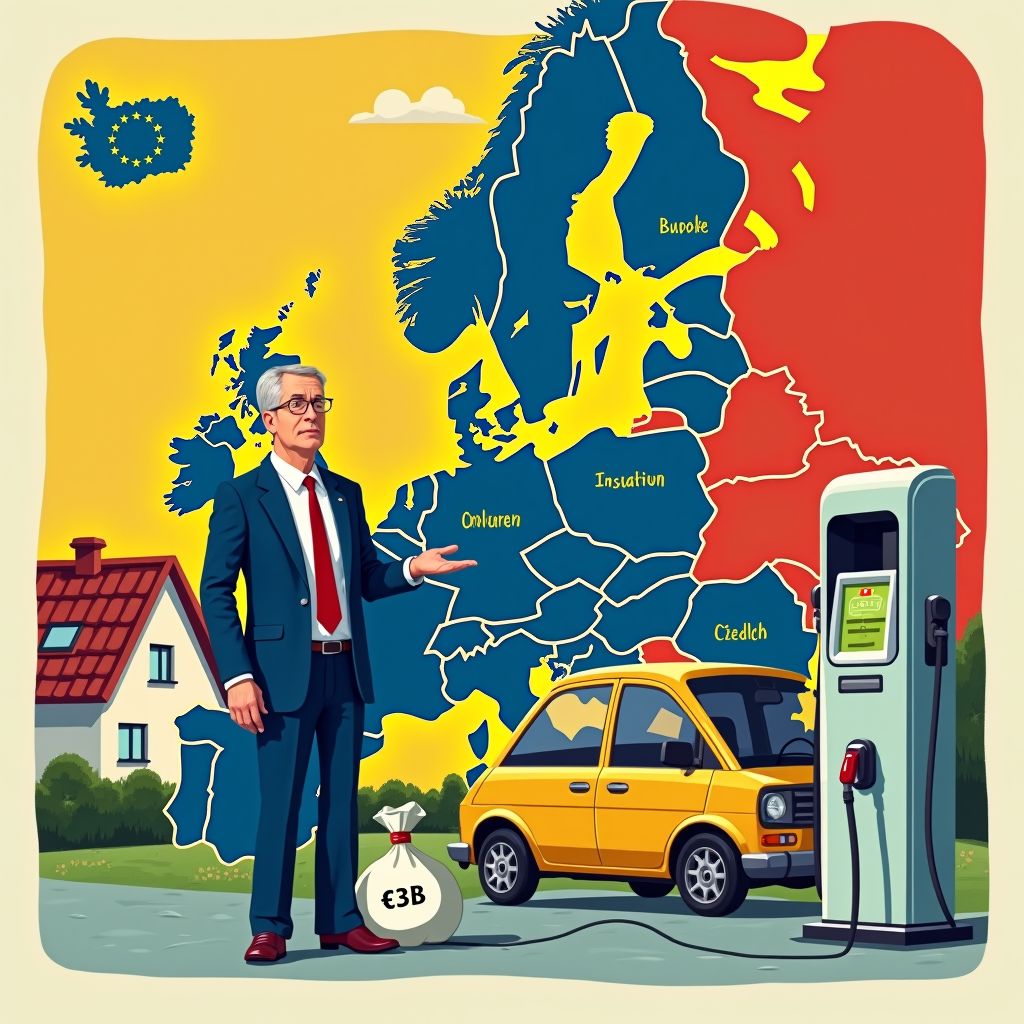
the european investment bank is releasing 3 billion euros to help governments protect vulnerable households from rising energy and transport costs. this move comes ahead of the 2028 launch of the eu’s new carbon market for heating and road transport. the funds will finance clean heating, home insulation, and electric vehicle programs before the system starts. repayments will come from future carbon market revenues. the support aims to prevent social backlash seen in past climate measures. poland and the czech republic had strongly opposed earlier plans. wopke hoekstra, the climate commissioner, stressed the need to show real benefits before prices rise. the initiative complements the social climate fund, adding urgency to the bloc’s push for a fair energy transition.
eib releases €3 billion for early climate action
The European Investment Bank (EIB) is advancing €3 billion to EU member states for early investments in clean heating, building efficiency, and e-mobility ahead of the 2028 launch of the EU’s Emissions Trading System 2 (ETS2). This frontloading mechanism enables governments to implement protective measures before carbon pricing takes effect. The funds will be repaid through future revenues generated by the ETS2, which covers carbon emissions from buildings and road transport. The move addresses concerns over social equity during the green transition [1][2][3].
protecting vulnerable households from cost shocks
Rising energy and transport costs pose significant risks for low- and middle-income households during the shift to climate neutrality. The newly established ETS2 Frontloading Facility specifically targets these vulnerabilities by accelerating access to subsidies for heat pumps, home insulation, and electric vehicle adoption. According to the European Commission, this intervention ensures citizens see tangible benefits before facing potential price increases. Such proactive investment aligns with the goals of the Social Climate Fund aimed at fairness in climate policy implementation [2][4][5].
political pressures shape rollout timing
Initial plans to launch ETS2 in or 2027 faced strong opposition from several member states concerned about economic impacts on citizens. Countries including Poland, Hungary, and the Czech Republic pushed for delays amid fears of inflationary effects on heating and fuel prices. In response, EU leaders postponed the system’s start to January 2028. The €3 billion advance serves as a compromise measure to maintain momentum on decarbonization while addressing legitimate social concerns raised by member states and civil society organizations [2][3][6].
complementing broader financial mechanisms
This €3 billion facility operates alongside existing climate financing tools. It supplements the previously frontloaded €4 billion from the Social Climate Fund, bringing total pre-2028 availability to €7 billion. Funding can support initiatives like social leasing programs for electric vehicles and upgrades to public transport networks. Experts emphasize that timely disbursement is critical—delays risk undermining public trust and weakening political support for ETS2 among skeptical populations across Europe [1][5][7].
leaders stress urgency of visible progress
Wopke Hoekstra, the European Commissioner for Climate, Net-Zero and Clean Growth, emphasized that demonstrating practical advantages is essential to gaining public acceptance. He stated the objective is to speed up deployment of solutions that lower energy and transport expenses, citing heat pumps and EV incentives as key examples. Similarly, members of the European Parliament highlighted the need to shift narratives around ETS2—from perceived burdens toward actionable opportunities for citizens [2][7][8].
Bronnen
- www.reuters.com
- climate.ec.europa.eu
- www.euronews.com
- carbon-pulse.com
- esgnews.com
- www.transportenvironment.org
- europeansting.com
- table.media