dutch drivers rush to german pumps as fuel tax drops 17 cents
Berlijn, maandag, 13 april 2026.
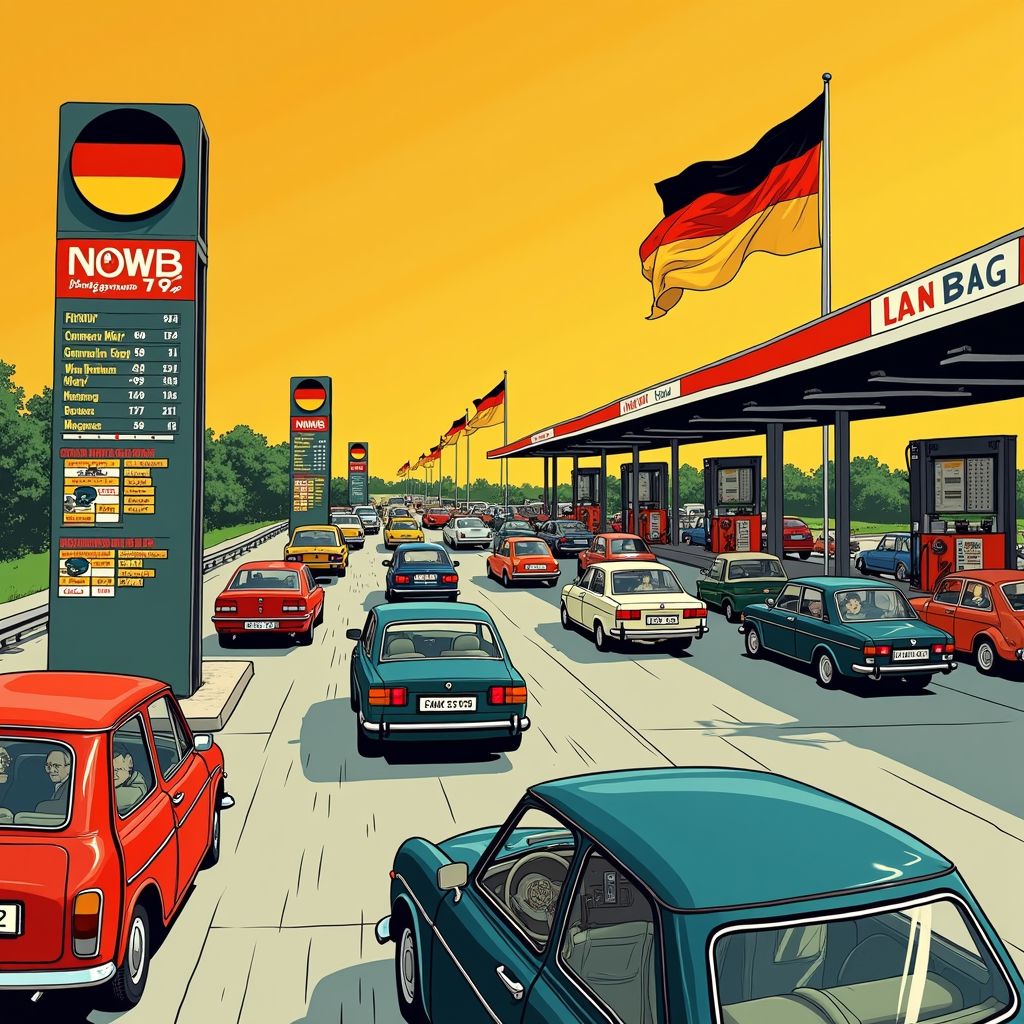
germany slashes fuel tax by 17 cents per liter for two months. the move targets rising pump prices fueled by middle east tensions. german chancellor friedrich merz confirms the cut applies to both gasoline and diesel. authorities expect immediate price relief at stations. the measure costs 1.6 billion euros and aims to ease pressure on households and businesses. currently, german fuel prices are already around 20 cents cheaper than in the netherlands. this gap now widens, drawing more dutch motorists across the border. industry groups warn of empty pumps in border regions. nove and bovag sound the alarm over collapsing margins. the anwb notes strong regional and daily price variations. irish authorities take similar steps amid protests. global oil prices rise after hormuz strait disruptions. us actions further tighten supply routes.
german fuel tax cut sparks cross-border rush
Germany implements a temporary reduction of 17 cents per liter on fuel excise duty for both gasoline and diesel. The two-month measure aims to counter rising pump prices linked to Middle East conflicts. Chancellor Friedrich Merz confirmed the cut will apply immediately at service stations. Authorities expect consumers to see direct savings during refueling. The fiscal cost of the intervention totals 1.6 billion euros. The policy reflects growing economic pressures from disrupted energy markets [1].
dutch motorists flock to german stations
The tax reduction deepens an existing price gap between Germany and the Netherlands. According to ANWB data, diesel averages 2.266 euros per liter in Germany versus approximately 2.46 euros in the Netherlands [2]. This results in a difference of 0.194. The percentage gap stands at 8.561%. Gasoline also shows a nearly 20-cent advantage in Germany. With the new tax cut, Dutch drivers near the border face stronger incentives to refuel across the frontier [1][2].
border fuel retailers issue urgent warnings
Industry associations Nove and Bovag express serious concern over the policy’s impact on Dutch fuel retailers. They predict intensified cross-border shopping will drain sales volumes in border areas. “The greater the price difference, the larger the suction effect,” stated Bovag officials [3]. Retailers fear collapsing profit margins and underused infrastructure. Some warn they may need to close locations if customer traffic declines sharply. The situation adds financial strain to a sector already navigating tight operating conditions and regulatory changes [3][4].
middle east tensions drive european responses
Rising fuel prices stem directly from military escalations in the Middle East. Disruptions to shipping through the Strait of Hormuz have tightened global oil supplies. The United States launched attacks on Iran in March 2026, prompting Tehran to restrict access to the strategic waterway [1]. Further complications arose when former U.S. President Donald Trump announced plans to blockade the route [3]. Ireland introduced comparable tax reductions following violent protests over living costs. European governments face mounting pressure to shield citizens from imported inflation [1][3].
temporary fix amid volatile market conditions
The German government pairs the fuel tax reduction with other economic measures. Employers gain permission to distribute 1,000 euro bonuses free of income and social security taxes. To offset budgetary impacts, tobacco excise duties increase earlier than planned [1]. Analysts question the long-term effectiveness of short-term interventions. Energy experts note that such policies provide brief relief but do not address structural dependencies on fossil fuels. Market volatility remains high as diplomatic solutions to regional conflicts remain uncertain [1][3].