pressure builds in parliament to keep groningen gas fields as emergency reserve
Den Haag, donderdag, 5 maart 2026.
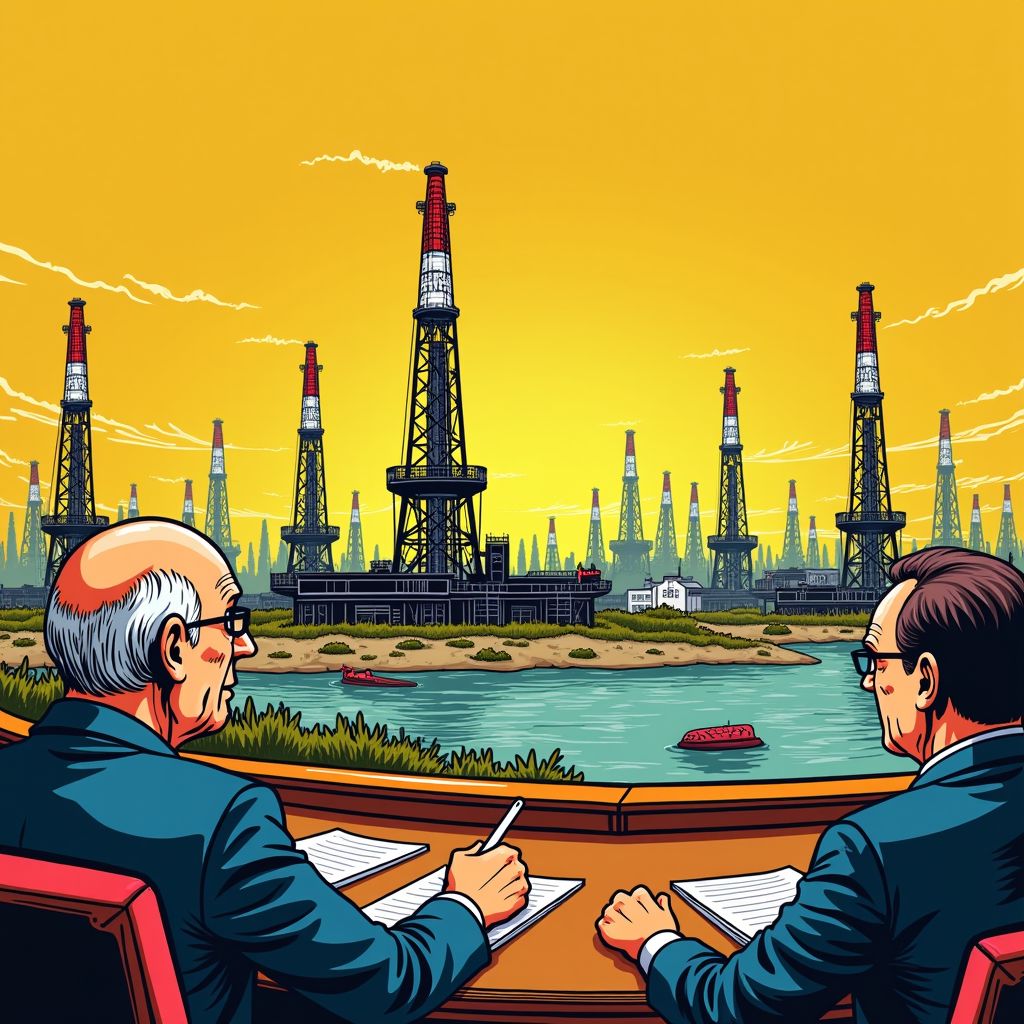
debate intensifies in the dutch parliament over keeping groningen’s gas fields open as a strategic emergency reserve. rising energy prices and geopolitical tensions are driving support. parties like ja21, pvv and markuszower back the move. they argue the country needs its own backup amid unstable global supplies. around five hundred billion cubic meters of gas remain underground. tno experts warn against permanently sealing the wells. they say access should be preserved for real crises. compensation for groningen residents must be fair if extraction resumes. the discussion highlights growing concern over national energy security.
parliamentary pressure mounts over groningen gas reserves
Support is growing in the Dutch parliament for retaining Groningen’s gas fields as a strategic emergency reserve due to surging energy prices and geopolitical instability [1]. JA21 leader Joost Eerdmans advocates halting the permanent closure of gas wells, warning that sealing them with concrete would eliminate future access [1][7]. His party plans to introduce legislation preventing definitive shutdowns [1]. Rising Middle East tensions have disrupted key gas supply routes, amplifying concerns over reliance on foreign imports [4]. Energy demand fluctuations and regional risks heighten urgency around domestic energy planning [GPT].
pvv and markuszower join call for strategic retention
The Party for Freedom (PVV), led by Geert Wilders, supports preserving Groningen’s gas infrastructure for emergencies, provided any extracted gas serves only Dutch households [1]. Although previously opposed to expanded drilling in Groningen, PVV now backs limited contingency measures [1]. Similarly, Group Markuszower, represented by Hidde Heutink, urges resuming controlled extraction with immediate, generous compensation for affected residents [1]. Both parties emphasize national self-reliance amid volatile international markets [1][4]. Their stance reflects broader political shifts toward prioritizing energy sovereignty despite longstanding local opposition.
technical and economic rationale backed by tno
Rene Peters, Business Director for Gas Technology at TNO, confirms approximately five hundred billion cubic meters of natural gas remain recoverable beneath Groningen [7]. Additional reserves totaling around one hundred billion cubic meters lie offshore [7]. At current annual consumption rates—approximately thirty billion cubic meters—the existing stock could meet national demand for roughly twenty years [7]. Sealing active wells with concrete renders them irrecoverable, eliminating emergency options during supply disruptions [7]. Experts caution that external dependencies increase vulnerability to export blockades such as those affecting the Strait of Hormuz [4][7].
compensation and public trust remain central issues
Any decision to maintain or reactivate gas production hinges on resolving past grievances linked to seismic damage and inadequate resident compensation [1][7]. The Groninger Bodem Beweging (GBB) insists that further exploitation poses unacceptable safety risks regardless of financial arrangements [1]. They criticize former Minister Sophie Hermans for failing to manage gas stocks prudently ahead of anticipated shortages [1]. To regain public confidence, proponents agree that transparent governance and robust indemnity frameworks are essential [7]. Without broad societal acceptance, even legally permitted operations face significant resistance in Groningen communities [GPT].
energy transition debates intersect with gas policy
While some lawmakers push to retain fossil fuel reserves, others advocate accelerating renewable alternatives. On March 4, 2026, the Second Chamber held committee discussions on green gases including hydrogen and biomethane [5][6]. D66 representative Felix Klos visited a green gas facility in Alkmaar, highlighting domestic production opportunities using organic waste streams [5]. Industry groups stress the importance of modernizing existing gas networks rather than abandoning them entirely [6]. However, rapid deployment faces regulatory hurdles involving permitting delays and nitrogen emission constraints [5]. Balancing legacy systems with decarbonization goals remains politically contentious [GPT].
Bronnen
- www.ad.nl
- x.com
- www.tweedekamer.nl
- fvd.nl
- www.nvde.nl
- www.bouwendnederland.nl
- www.hartvannederland.nl