europa moet zijn eigen veiligheid garanderen, zegt mivd
Den Haag, dinsdag, 21 april 2026.
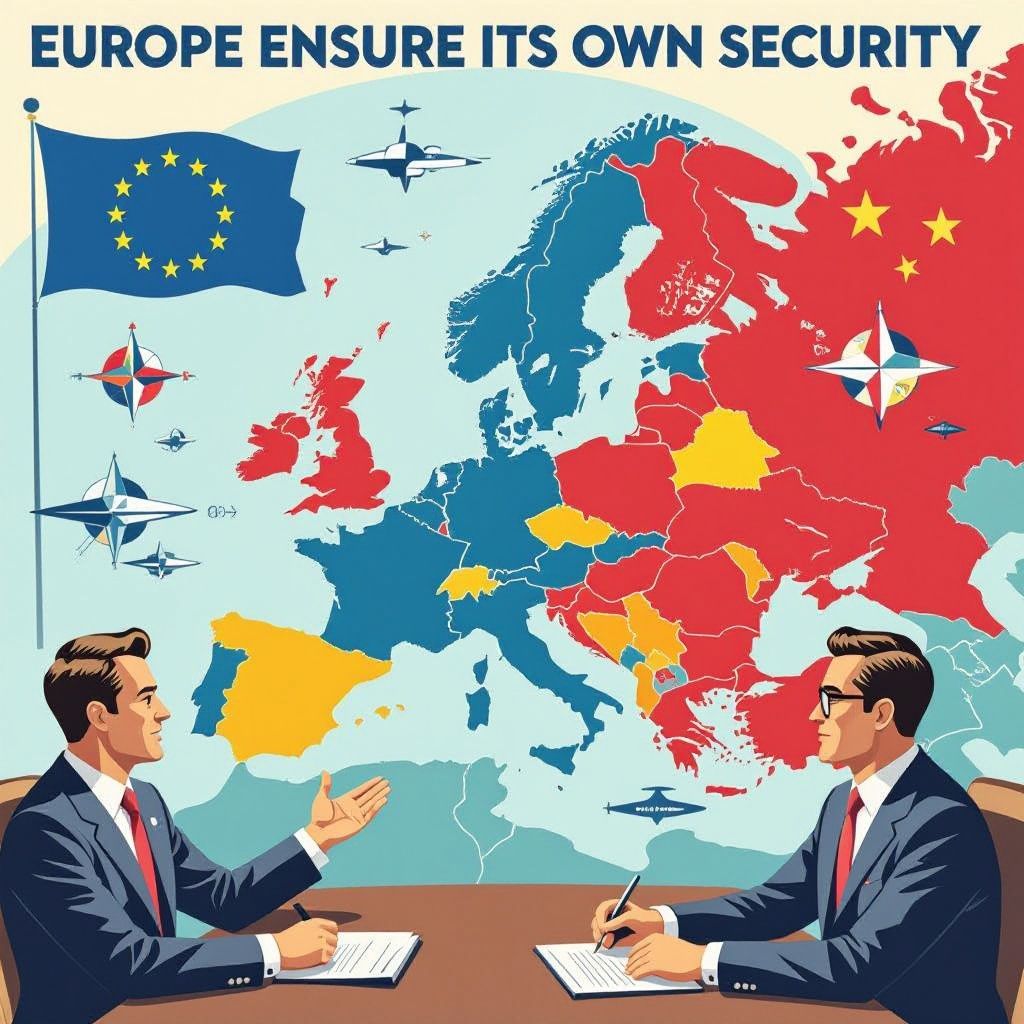
de militaire inlichtingen- en veiligheidsdienst (mivd) waarschuwt dat europa grotere verantwoordelijkheid moet nemen voor zijn eigen veiligheid. de internationale orde staat onder druk. de vs is minder betrouwbaar, zegt de mivd. china speelt een centrale rol door rusland te steunen in oekraïne en via agressieve cyberacties. de kans op escalatie in europa is realistischer dan ooit. nederland neemt een proactieve houding aan binnen europese veiligheidsbesprekingen. de focus ligt op autonome capaciteiten en snelle respons.
netherlands urges european security autonomy
The Netherlands is urging European nations to bolster their collective defense amid growing geopolitical instability. The Military Intelligence and Security Service (MIVD) emphasized that Europe must prepare for reduced reliability from traditional allies, particularly the United States. This shift stems from mounting pressures on Western alliances and unpredictable foreign policy directions in Washington [1]. Director Peter Reesink stressed the urgency during the presentation of the MIVD’s 2025 annual report in The Hague on April 21, 2026 [2]. The call aligns with broader discussions within NATO about defense spending and strategic independence.
china’s dual role in global insecurity
China is emerging as a central concern in European security assessments. The MIVD explicitly pointed to Beijing’s support for Russia’s war in Ukraine as a destabilizing factor [1]. Such backing strengthens Moscow’s position despite Western sanctions. Additionally, the agency flagged escalating cyber threats originating from Chinese actors [1]. These operations target critical infrastructure and sensitive government systems across Europe. The MIVD anticipates a rise in such cyber incidents throughout 2026 [2]. This combination of military-logistical aid and digital aggression amplifies regional vulnerabilities.
rising cyber threats demand urgent action
Cybersecurity has become a top-tier national priority for the Netherlands. The MIVD reported a significant uptick in sophisticated cyber intrusions, especially those traced back to state-linked Chinese groups [1]. These attacks exploit weaknesses in application programming interfaces (APIs) and artificial intelligence workloads [3]. Organizations struggle to keep pace with evolving attack vectors. Only 29% of security professionals express confidence in their organization’s overall application security [3]. The interconnected nature of modern networks means breaches can rapidly cascade through allied systems.
navigating strained western alliances
Longstanding Western alliances face unprecedented stress, according to Dutch intelligence officials. Reesink described the rules-based international order as being under severe pressure [1]. Power politics are replacing institutional diplomacy in several regions. This environment allows hybrid warfare tactics to flourish unchecked [2]. The unpredictability of U.S. commitments adds complexity to European defense planning [1]. While the bilateral relationship with Washington remains strong, reliance on American leadership is seen as increasingly risky [2]. Autonomy in decision-making and capability development is now deemed essential.
coordinated response within national framework
The Netherlands is strengthening internal coordination to address converging threats. The National Coordinator for Counterterrorism and Security (NCTV) plays a pivotal role in integrating cyber defenses [4]. Its cybersecurity division works closely with agencies like the MIVD, AIVD, police, and judicial authorities [4]. Collaboration extends internationally through partnerships with NATO and the European Union [4]. Recent recruitment drives aim to expand expertise in both national and international cybersecurity policy domains [4]. This integrated approach ensures rapid response during major incidents affecting national security.