rotterdam chooses homes over dreams as theme park dream ends
Rotterdam, maandag, 20 april 2026.
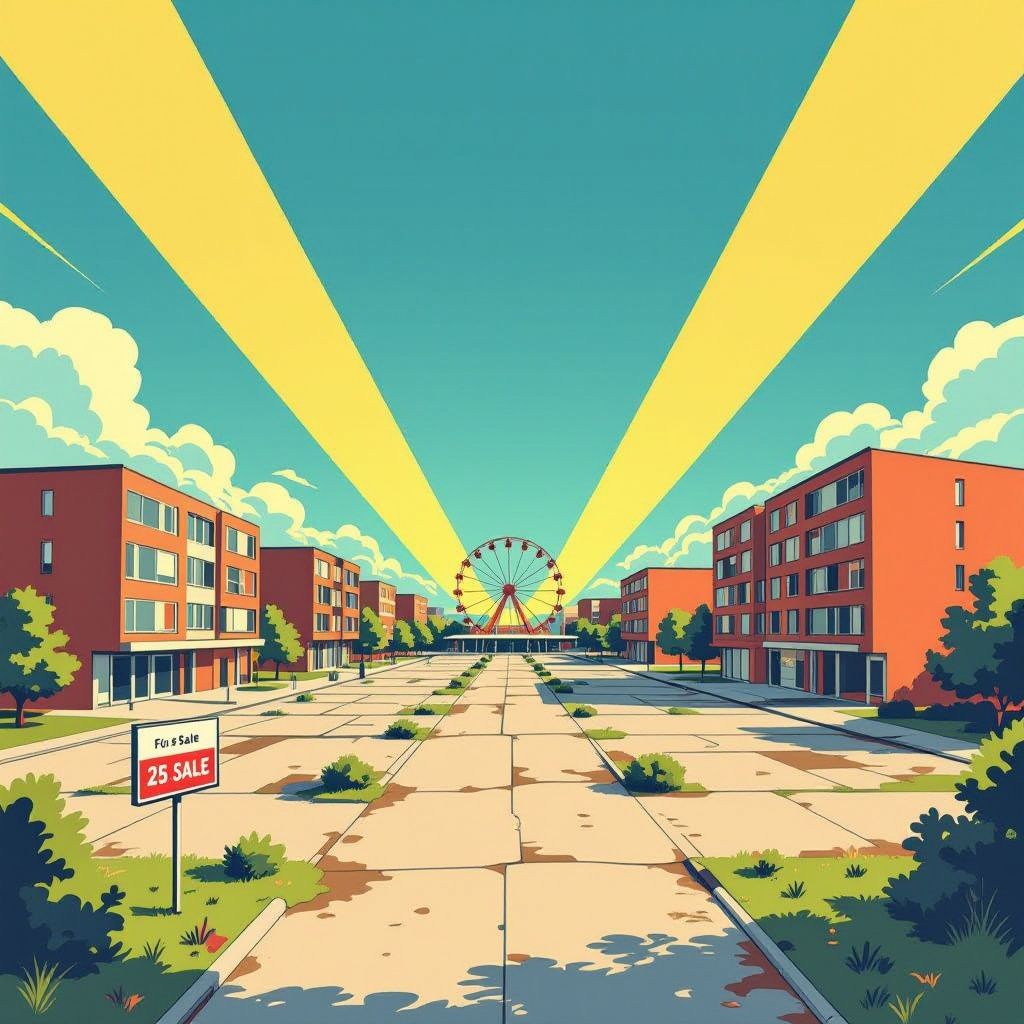
rotterdam has officially abandoned plans for a new theme park on the site of the failed rivoli project. the city council unanimously supports turning the 25,539 m² plot near the maastunnel into affordable housing. the move ends years of delays and broken promises tied to hennie van der most’s vision. once called speelstad, the park never opened despite investments exceeding €50 million. rising debts, missed deadlines, and bureaucratic hurdles led to its downfall. the land will soon go to auction, marking the end of a controversial chapter in rotterdam’s urban development.
rotterdam shifts course after rivoli failure
The city of Rotterdam has formally ended ambitions for a new amusement park on the former Rivoli site. City officials confirm the 25,539 m² plot adjacent to the Maastunnel will transition toward residential use [1]. Once envisioned as a vibrant entertainment hub under entrepreneur Hennie van der Most, the area now faces redevelopment focused on housing [2]. Political consensus solidified recently, halting further recreational proposals [1]. This pivot reflects broader urban planning priorities amid growing demand for local accommodation [GPT].
from speelstad to stalled investment
Originally branded as Speelstad Rotterdam, the project underwent several name changes before becoming Rivoli [2]. Since 2012, Hennie van der Most invested over €50 million into developing the site on Doklaan [3]. Despite ambitious plans including a midget golf course, escape rooms, and a static Ferris wheel, the park never opened [2]. Repeated delays due to asbestos issues, fire safety concerns, and financing problems plagued progress [3]. By 2025, company records showed equity dropped from €63 million to €43 million [3].
financial strain and ownership struggles
Van der Most Top Holding BV reported liabilities reaching €56 million by 2025, contributing to financial collapse [3]. To sustain funding, Hennie van der Most sold major assets including Wunderland Kalkar and pledged real estate holdings as collateral [3]. His personal wealth, estimated at €75 million in 2017 according to Quote magazine, significantly diminished [3]. Recent attempts to offload remaining possessions such as boats and steam engines underscore ongoing fiscal pressure [3]. Creditors ultimately forced the asset into public sale [2].
political resolution and future plans
On April 17, 2026, Rotterdam’s municipal council passed a motion prioritizing affordable housing on the Rivoli grounds post-2030 [3]. Alderman for Spatial Planning emphasized releasing the land within five years for residential construction [1]. With zoning regulations currently fixed until 2030, modifications could occur afterward depending on leasehold conditions [2]. The upcoming auction excludes continued operation as a theme park, aligning policy with immediate community needs [1]. Economic projections suggest housing density may yield greater societal benefit than tourism-based ventures [GPT].
auction details and transitional phase
The official auction for the Rivoli property began April 21, 2026, starting at 11:00 AM and concluding by midnight the same day [2]. Prospective buyers needed pre-approved accounts through Vastgoed Veiling, requiring deposits of at least €100,000 [2]. Although businessman Wim Beelen expressed interest earlier, negotiations collapsed over contractual terms [3]. As of press time, results remain undisclosed pending legal procedures [alert! ‘Auction outcome not yet published’]. Until transfer completes, the site remains inactive under creditor oversight [2].