why your weekly groceries just got pricier
Almería, vrijdag, 20 februari 2026.
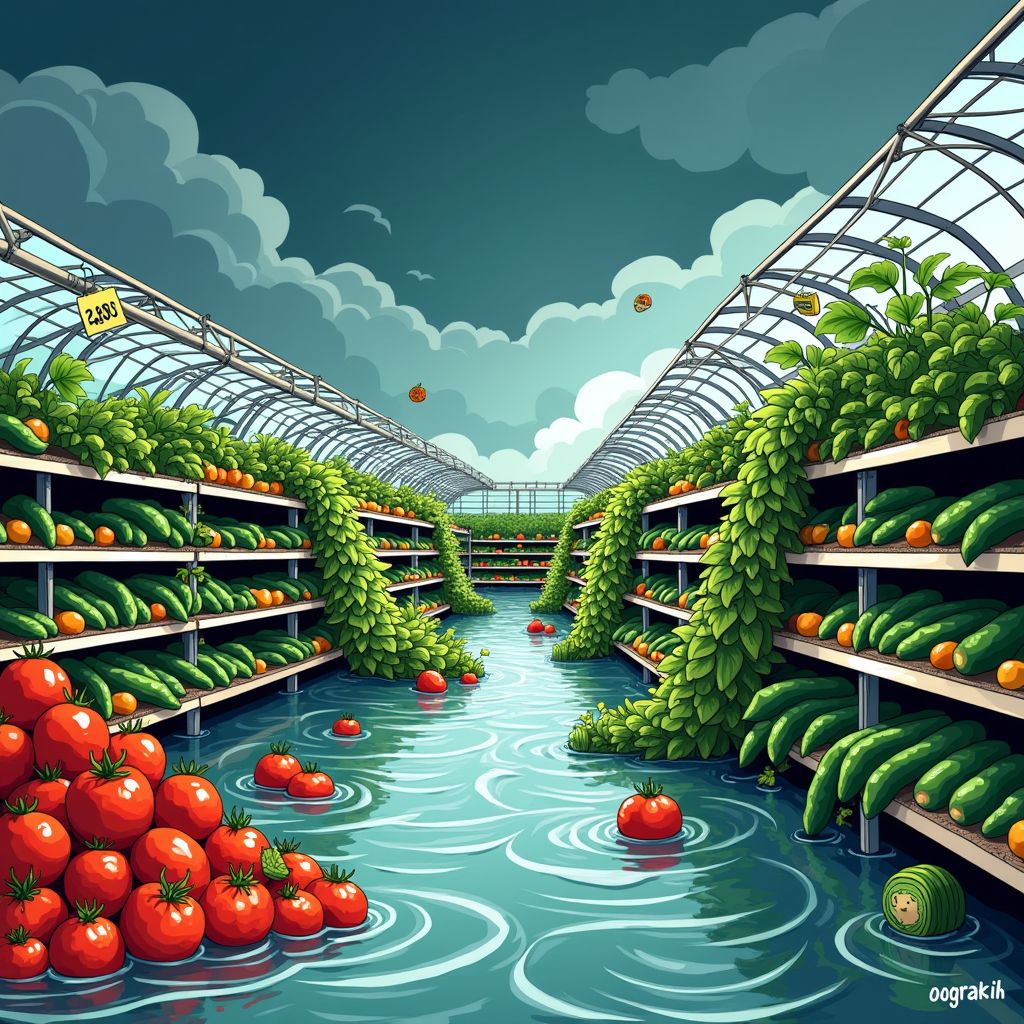
extreme weather in southern spain has severely disrupted vegetable and fruit supplies across europe. violent storms and flooding have destroyed thousands of hectares of greenhouses, damaging crops like tomatoes, cucumbers and strawberries. spanish growers report near-total losses for strawberries, with only scattered harvests surviving. because the netherlands relies on spain for nearly 14% of its fresh produce, shelves are thinning and prices rising fast. some items like courgettes and aubergines now cost more than double compared to last year. the damage to roads and rail lines further delays deliveries. recovery will take months, meaning expensive shopping trips could continue well into spring.
disrupted supply chains from southern spain
Extreme weather in southern Spain has severely impacted agricultural production, affecting European markets. Heavy rains and flooding since early 2026 have damaged approximately 33,000 hectares of greenhouse infrastructure in southeastern Spain, a key region for winter vegetables and fruits [1]. Crops including tomatoes, cucumbers, and strawberries have suffered extensive losses due to flooded fields and collapsed growing tunnels [2]. Transport routes have also been compromised, delaying shipments. With Spain supplying around 14% of the Netherlands’ fresh produce, disruptions directly affect supermarket availability and pricing [1][2].
sharp price increases for key produce
Prices for several vegetables and fruits have surged due to reduced supply. Compared to the same period in 2025, courgette prices rose by 134%, calculated as (new-old)/old*100 [2]. Aubergines increased by 110%, while lemon prices climbed 65% [2]. Avocados saw an 18% increase [2]. Strawberry shortages are especially severe, with almost no successful harvests reported after tunnel collapses and logistical breakdowns [1][2]. Data from Spain’s Ministry of Agriculture confirms these figures, noting the highest price spikes occurred during the week of February 13–20, 2026 [1].
market responses and consumer impacts
Retailers in both Spain and the Netherlands are managing price shocks differently. Although wholesale costs have risen sharply, Spanish supermarkets are limiting shelf-price increases to about 10% where possible [1]. However, Dutch consumers still face historically high prices comparable to those seen during the 2022 energy crisis [1]. Perishable goods such as strawberries suffer additional losses from delayed transit, increasing waste and scarcity [1]. Alternative sourcing from Morocco has been limited due to similar weather disruptions there [2]. Industry analysts expect tight supplies and elevated prices to persist for months [1][2].
long-term recovery and economic effects
Rebuilding agricultural infrastructure in southern Spain will require significant time and investment. Restoration of greenhouses, roads, and rail links is estimated to take at least four months [2]. While new construction and repairs began on February 18, 2026, only 85% of affected sites were prioritized initially [2]. Meanwhile, competition among buyers for scarce produce intensifies price pressure across Europe [1]. Given Spain’s role in supplying 23% of Europe’s vegetables and 27% of its fruit, prolonged disruption affects regional food security and inflation trends [1][2]. Full normalization of supply chains remains uncertain [1][2].