16-jarigen leren uit groep 3-boeken: crisis in speciaal onderwijs
Nederland, maandag, 16 februari 2026.
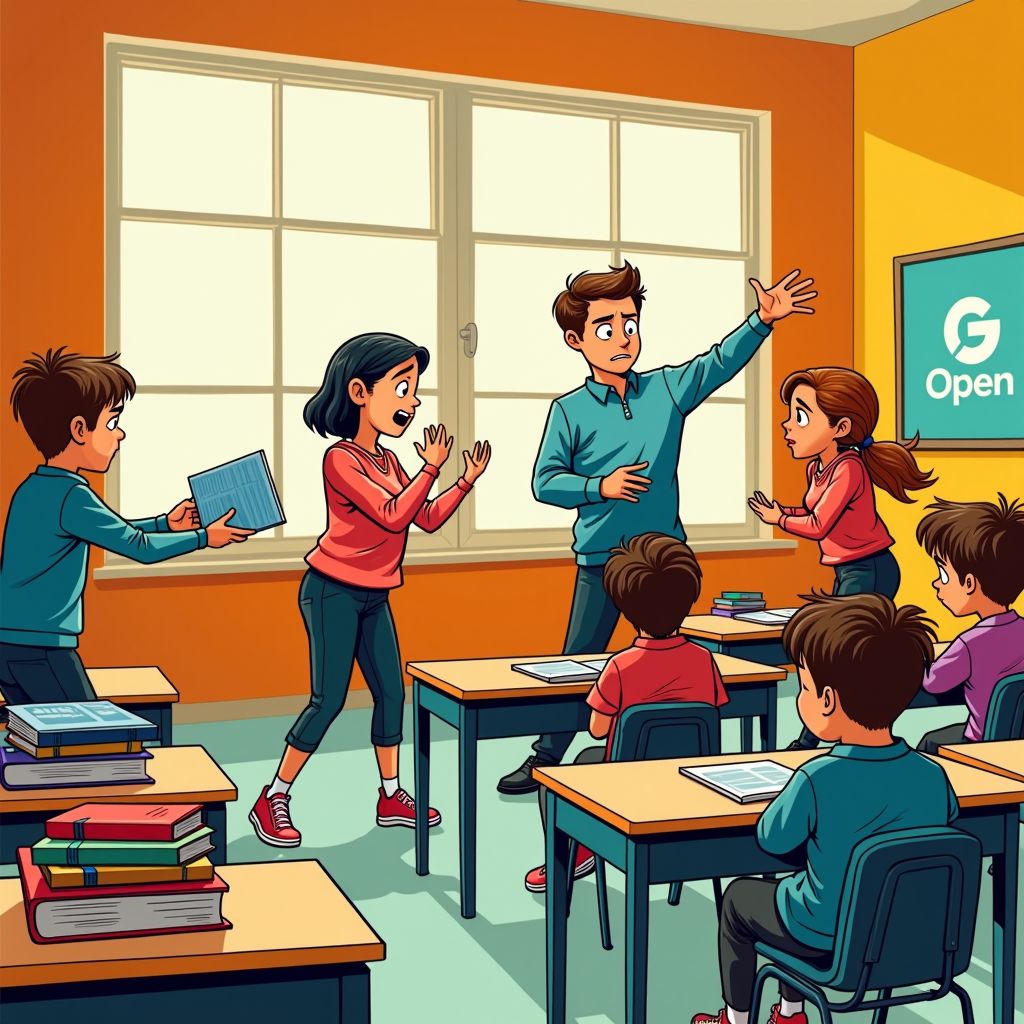
Duizenden 16-jarigen in het speciaal onderwijs werken met leermaterialen voor groep 3 van het reguliere basisonderwijs. Scholen zien dit als een urgent onderwijsprobleem. De kloof tussen de leerniveaus is enorm. Gepaste methodes ontbreken. Leraren maken zelf materiaal, vaak in hun vrije tijd. Uitgevers zien weinig rendement. De overheid geeft te weinig geld. Op 1 maart 2026 start GOpen, een digitaal platform met 50 nieuwe lessen. Het is een eerste stap. Maar de vraag blijft of dit volstaat. Frustratie onder leerlingen is hoog. Sommige gooien tafels door het lokaal. Zelfredzaamheid blijft achter. Uniform lesmateriaal zou helpen. Experts pleiten voor snelle actie. De realiteit is hard. Er zijn simpelweg geen goede methodes voor deze leerlingen.
nationwide problem in special education
Approximately 110,000 students in special education in the Netherlands use textbooks designed for regular primary schools [1]. Many 16-year-olds work with materials intended for grade 3 pupils, which does not align with their developmental pace [1][2]. Teachers report growing frustration among students who see ‘grade 3’ printed prominently on their books [2]. This mismatch undermines self-reliance and often leads to disruptive classroom behavior, including incidents where furniture is thrown across rooms [2].
teachers forced to create own materials
Due to the absence of tailored curricula, teachers regularly develop lesson content during weekends and holidays [2]. One award-winning teacher admitted spending every vacation designing lessons [2]. At institutions like the Heliomare College Alkmaar, educators such as Chantal Kuyl-Mater took initiative after dissatisfaction with existing reading programs [2]. She created practical lessons focused on real-life skills, enabling students to read WhatsApp messages or restaurant menus [2]. Despite dedication, this places immense pressure on staff [2].
market failure and financial constraints
Commercial publishers avoid developing specialized educational resources due to low return on investment [1][2]. The student group is small and fragmented, making production costs disproportionately high [2]. “The group of learners is so small that it quickly becomes too expensive to create something specifically for them,” said Jorien Castelein of MEVW [2]. Educational expert Herald Hofmeijer emphasized that standard methods assume different development speeds and fail to provide necessary repetition steps [2]. As a result, the market fails to deliver what classrooms need [GPT].
institutional response and future plans
The Sector Council for Special Education (sectorraad GO) is launching GOpen, a national digital platform offering adapted teaching materials [1][2]. Scheduled to go live on March 1, 2026, it will initially feature 50 lessons developed by teacher teams and specialists [2]. While the government has committed funding until 2030, the amount remains undisclosed and long-term sustainability beyond that date is uncertain [2]. According to director Ilja de Voogd, standardized materials would free up valuable time for better student support [2].
call for systemic improvement
Educational leaders stress the urgency of creating uniformly accessible and age-appropriate curricula [2]. Standardized tools could reduce workload and improve quality through shared expertise [2]. However, challenges remain around scalability and comprehensive coverage of subjects [alert! ‘extent of curriculum coverage not specified’]. Current efforts focus on incremental progress rather than immediate system-wide solutions [2]. Stakeholders agree that without sustained public investment, meaningful reform in special education will stall [2].