staat aansprakelijk voor ggz-wachtlijsten
Den Haag, woensdag, 8 april 2026.
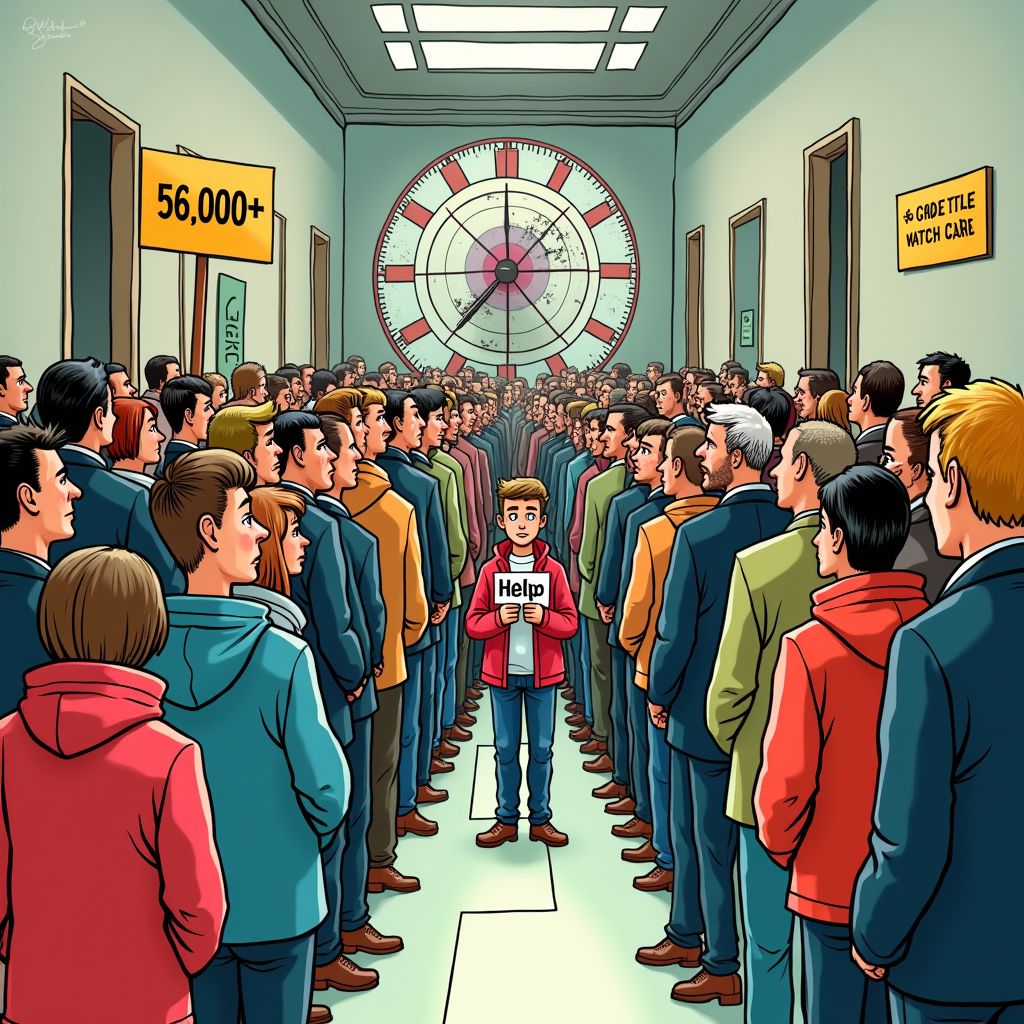
voor het eerst is de nederlandse staat formeel aansprakelijk gesteld voor de te lange wachttijden in de geestelijke gezondheidszorg. ruim 56.000 mensen met ernstige psychische aandoeningen wachten langer dan veertien weken op behandeling. de stichting recht op ggz startte een rechtszaak omdat de situatie leidt tot banenverlies, huisuitzettingen en zelfs dood. volgens onderzoek sterft dagelijks iemand op de wachtlijst door zelfdoding. de staat blijkt structureel te falen in het waarborgen van basiszorg, ondanks herhaalde afspraken. dit is een keerpunt in het openbaar maken van systemisch letsel binnen de ggz.
unprecedented legal action over ggz delays
For the first time in Dutch history, the state has been formally declared liable for excessive waiting times in mental healthcare. This landmark development stems from a civil lawsuit initiated by Stichting Recht op ggz, which argues that prolonged treatment delays violate fundamental human rights. The foundation represents both patients and healthcare professionals frustrated by systemic failures. Their formal summons was submitted on April 7, 2026, marking a critical escalation after years of advocacy [1]. The case targets the national government directly, bypassing insurers and providers [2].
scale of untreated psychiatric need
More than 56,000 individuals suffering from severe psychiatric conditions such as schizophrenia, bipolar disorder, major depression, and complex trauma wait longer than the legally established fourteen-week threshold for specialized treatment. This figure represents a significant increase compared to previous decades [3]. Data indicates wachttimes have tripled since approximately 2011 [1]. Patients often face waits ranging from six months to five years before accessing necessary care [4]. The situation disproportionately affects the most vulnerable populations who require urgent intervention [5].
human and societal consequences
Extended delays in receiving psychiatric help lead to worsening symptoms and frequent crises. Many patients lose their jobs due to deteriorating mental health, leading to financial instability and housing insecurity, including evictions and homelessness [6]. According to research conducted by 113 Suicide Prevention, it is estimated that one person dies by suicide every day while awaiting treatment [7]. The broader social cost, encompassing lost productivity, strained emergency services, and increased reliance on crisis interventions, runs into tens of billions of euros annually [8].
legal arguments and systemic failure
The foundation’s legal argument rests on the premise that access to essential healthcare is a protected right under international treaties ratified by the Netherlands. They assert the state bears ultimate responsibility for guaranteeing accessible care, regardless of market mechanisms involving insurers [9]. Experts like Professor Martin Buijsen from Erasmus University emphasize that the agreed-upon waiting norms constitute a binding outcome obligation, not merely an effort requirement [3]. He criticizes the government for insufficient oversight and enforcement capabilities through bodies like the Health Care Inspectorate (NZa) [10].
exhaustion of alternative solutions
The decision to pursue litigation followed four years of unsuccessful attempts to resolve the issue through political channels and public appeals. Stichting Recht op ggz engaged with ministries, regulators, and insurance companies but achieved minimal results beyond symbolic parliamentary motions [11]. Despite having more than 110,000 professionals working in the sector—a record high—the system fails to deliver timely care, undermining personnel shortages as the sole explanation [12]. The foundation views legal action as the last viable step to compel structural change [13].
Bronnen
- www.nu.nl
- www.ggznieuws.nl
- www.trouw.nl
- www.skipr.nl
- www.metronieuws.nl
- www.zorgvisie.nl
- www.113.nl
- www.psychotherapie.nl
- www.rechtopggz.nl
- www.trouw.nl
- www.medischcontact.nl
- www.skipr.nl