last-minute push for iran-us ceasefire amid soaring oil prices
Teheran, maandag, 6 april 2026.
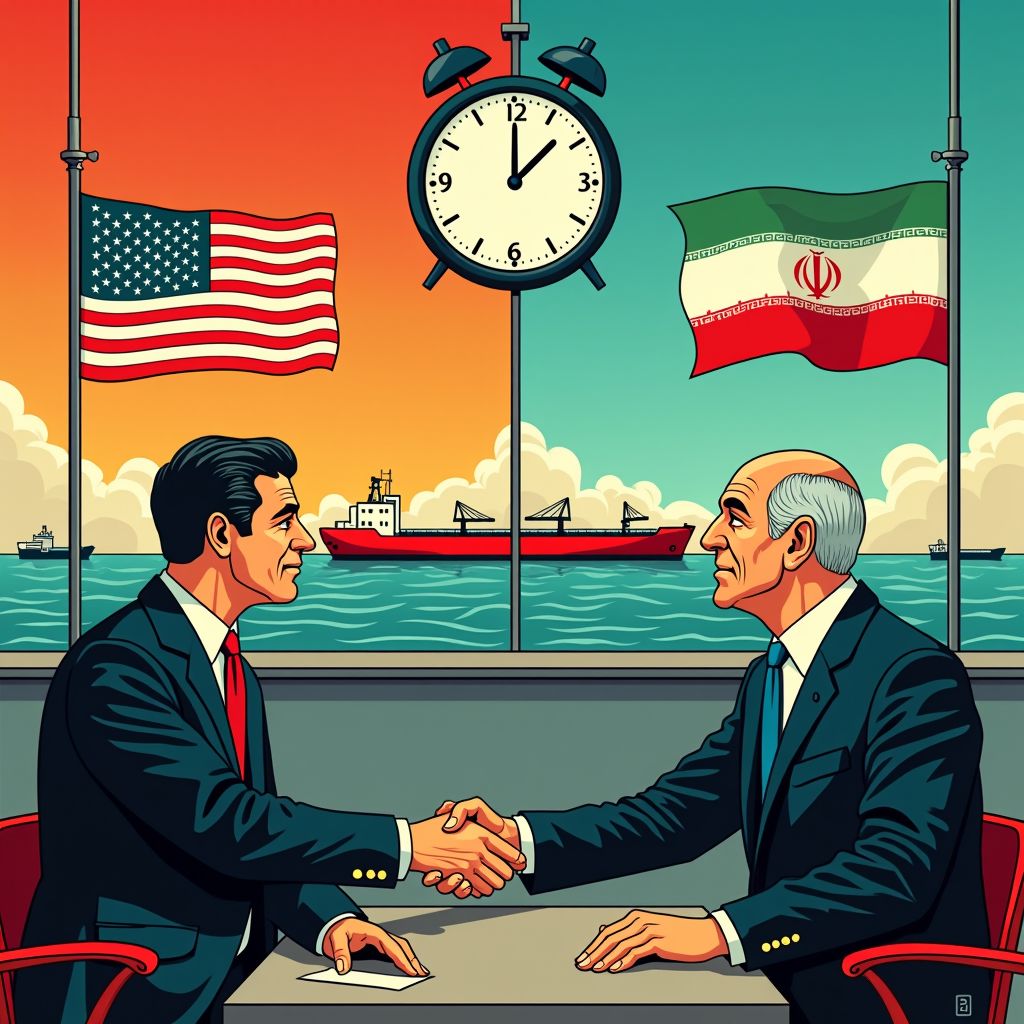
The united states and iran are in urgent talks to secure a 45-day ceasefire, mediated by regional powers. A hard deadline looms, with global oil prices surging due to blocked shipments through the Strait of Hormuz. The outcome could ease economic pressure worldwide or trigger deeper instability. Both sides remain entrenched, but diplomacy offers a narrow escape from further escalation. The next hours may decide the path forward.
diplomatic race against time in middle east
The United States and Iran are engaged in intense diplomatic efforts to achieve a 45-day ceasefire, mediated by regional powers including Egypt, Turkey, and Pakistan [1]. These discussions come after weeks of escalating violence that began on February 28, 2026, with coordinated attacks across the Middle East [2]. The current round of negotiations aims to halt hostilities temporarily while more permanent solutions are discussed. Despite public hostility, both nations continue backchannel communications through intermediaries who shuttle proposals between Washington and Tehran [3]. The situation remains fragile as deadlines approach.
trump sets firm deadline for hormuz resolution
President Donald Trump issued a definitive ultimatum demanding the reopening of the Strait of Hormuz by April 8, 2026, at 8 PM Eastern Time [4]. Failure to comply would result in targeted strikes on Iranian energy infrastructure and bridges according to administration officials [5]. “Open that damn strait, you crazy fools, or you’ll end up in hell,” Trump stated during a televised address [6]. This aggressive stance contrasts with simultaneous diplomatic channels pursuing peace agreements. Analysts note the calculated risk of combining military threats with negotiation tactics to force concessions from Tehran leadership [7].
economic fallout from disrupted shipping lanes
Global oil markets reacted sharply to continued closure of the Strait of Hormuz, which handles approximately 20% of worldwide petroleum traffic [8]. Brent crude prices rose to $111 per barrel amid fears of prolonged supply disruptions affecting European economies [9]. Refineries in Kuwait reported significant damage from drone attacks, compounding logistical challenges [10]. Airlines across Europe face fuel shortages threatening flight operations at major hubs like Milan Linate and Venice airports [11]. Economic analysts warn sustained blockades could trigger recessions in import-dependent nations unless alternative routes are established quickly [12].
human cost mounting on both sides of conflict
Recent airstrikes claimed numerous civilian lives across affected regions. In Iran, 24 people died from bombing raids targeting residential areas near Qom, Baharestan, and Tehran suburbs [13]. Israeli cities also suffered casualties with two fatalities confirmed in Haifa following missile impacts [14]. Lebanon recorded fifteen deaths due to cross-border shelling incidents involving Hezbollah strongholds [15]. Medical facilities struggle to cope with influxes of wounded patients while humanitarian organizations report severe limitations accessing war zones safely [16]. Relief workers emphasize immediate cessation of hostilities is critical to prevent further suffering among non-combatants caught in combat zones [17].
ceasefire terms under discussion by mediators
Proposed agreement outlines a two-phase process beginning with an initial 45-day truce period allowing withdrawal of forces from contested territories [18]. During this interval, negotiators aim to finalize conditions for lasting peace including sanctions relief, frozen asset releases, and security guarantees [19]. Regional brokers suggest extending interim measures if additional time proves necessary for comprehensive settlement talks [20]. Verification mechanisms remain contentious issues delaying consensus despite mutual interest ending costly warfare draining national resources rapidly [21]. Details regarding disarmament protocols and inspection regimes require further clarification before implementation can proceed effectively [22].