Dutch energy giant TenneT sells stake in German operations to Berlin for 3.3 billion euros
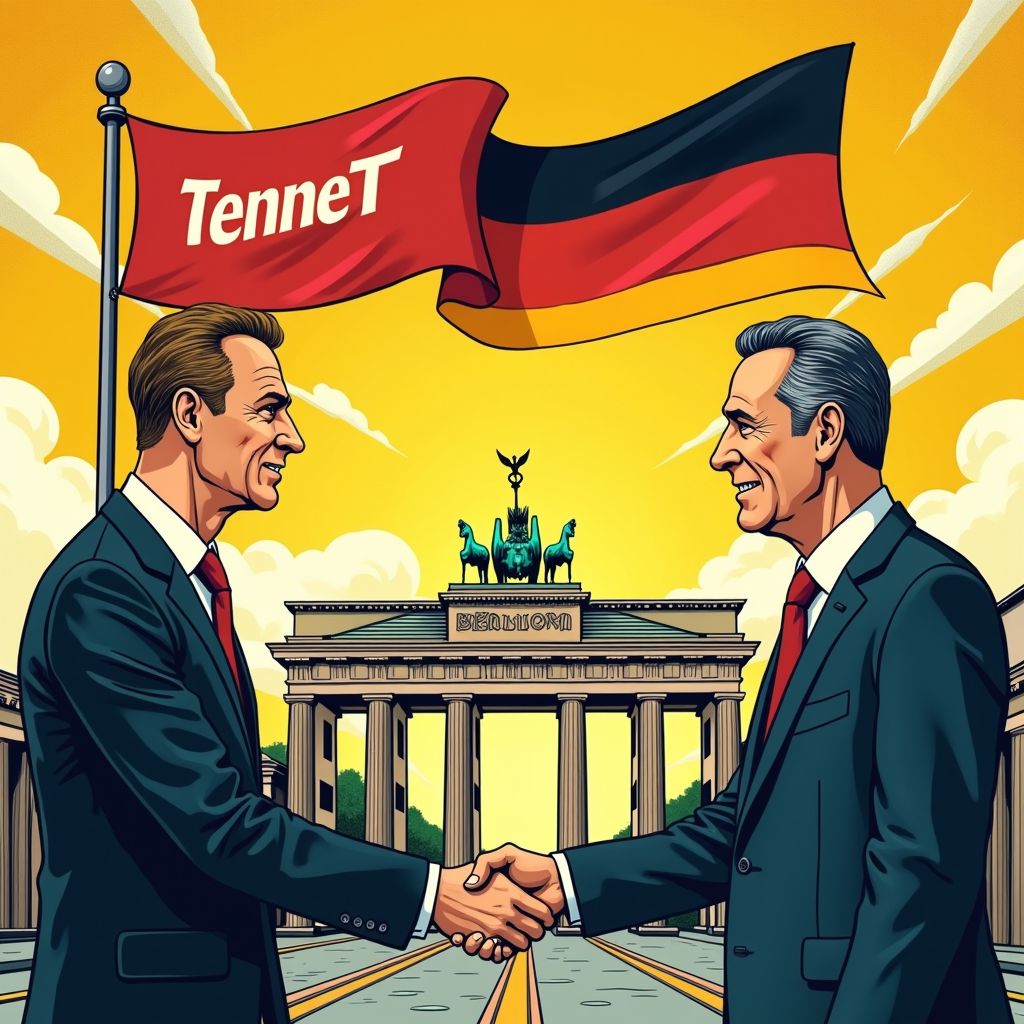
Bayreuth, dinsdag, 3 februari 2026.
The Dutch state-owned power grid operator TenneT has sold a 25.1 percent stake in its German division to the German government for 3.3 billion euros. This marks a major shift in ownership and strategy, reducing the Netherlands’ exposure to costly German grid expansions. The move strengthens national control over critical energy infrastructure while boosting cross-border cooperation. TenneT retains nearly 29 percent ownership, ensuring continued influence over key decisions. The deal follows last year’s sale of a 46 percent stake to institutional investors for 9.5 billion euros, reflecting a broader effort to secure funding for vital energy upgrades across both countries.
strategic ownership shift for european energy security
The German government has acquired a 25.1 percent stake in TenneT’s German division for 3.3 billion euros [1]. This transaction reduces the Netherlands’ financial liability in expanding Germany’s power grid infrastructure [2]. As a fully Dutch state-owned entity, TenneT previously bore significant investment risks associated with German grid development [3]. The new ownership structure ensures greater national oversight while preserving TenneT’s strategic involvement through retained shares [1][2]. Energy security remains a top priority amid growing renewable integration demands across Europe [GPT].
financial implications and future investments
Proceeds from the sale will strengthen TenneT’s balance sheet and support critical grid modernization projects in both countries [3]. Approximately 3.3 billion euros will be used to repay debts owed to the Dutch state [3]. Prior to this agreement, institutional investors including APG, Norges Bank Investment Management, and GIC purchased a 46 percent stake for 9.5 billion euros [2][3]. These combined transactions generate substantial capital for upcoming offshore wind farm connections and inland transmission upgrades [2]. Long-term projections indicate around 200 billion euros will be required over the next decade for Dutch and German grid expansion [3].
enhanced bilateral coordination on energy policy
Germany now holds veto rights on key business plans and executive appointments within TenneT Deutschland [2]. This enhanced governance aligns with broader European efforts to safeguard critical energy assets from external vulnerabilities [GPT]. Joint initiatives such as North Sea offshore grid interconnections remain central to regional decarbonization strategies [3]. Close collaboration continues despite shifting equity structures due to mutual dependence on stable electricity networks [1][3]. Political consensus supports deepened technical and regulatory alignment between neighboring power systems [alert! ‘long-term geopolitical stability uncertain’].