fifa explains why thousands of world cup seats looked empty despite near-full attendance
Guadalajara, zaterdag, 13 juni 2026.
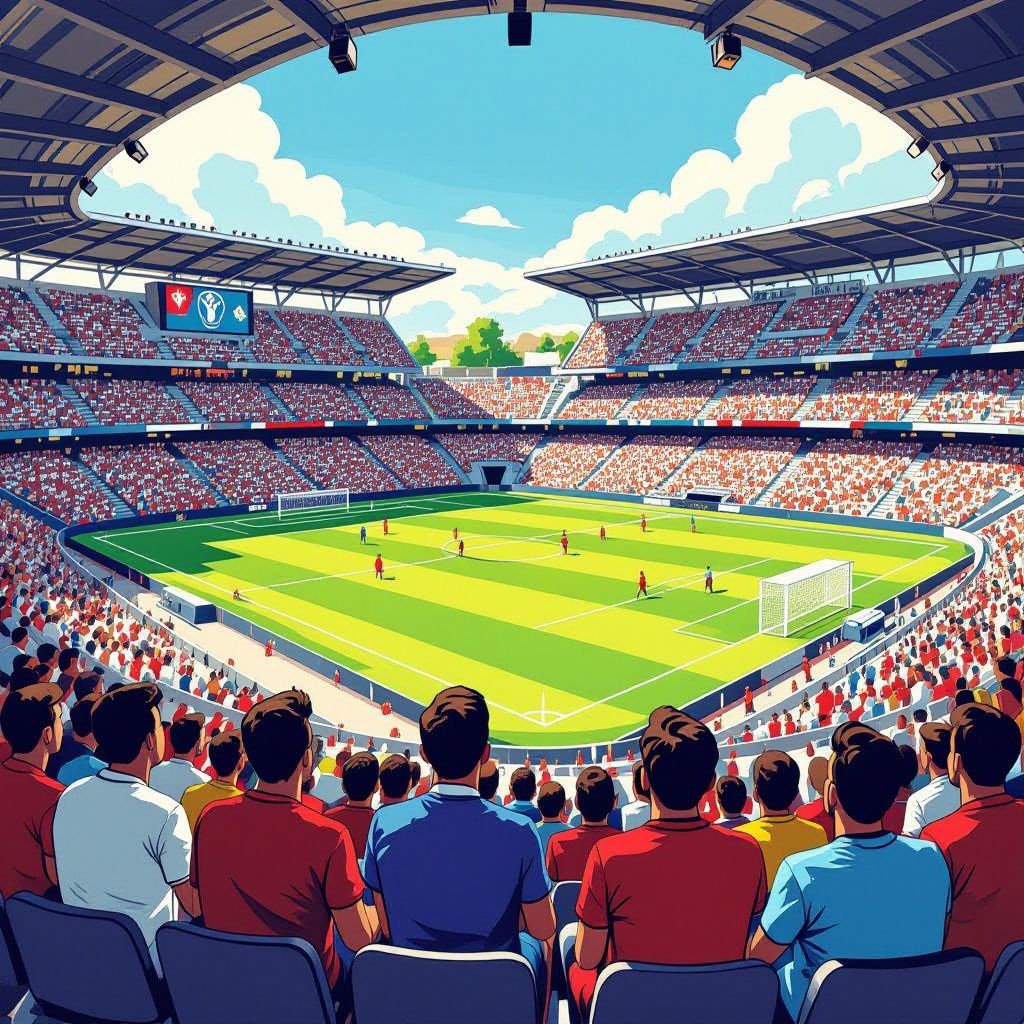
Thousands of seats appeared vacant during the World Cup match between South Korea and Czechia in Guadalajara. The FIFA responded, stating that fans were standing in corridors and walkways instead of sitting in their assigned places. This created the visual impression of low turnout, even though nearly all tickets were scanned at entry. Official figures report 44,985 attendees in the 46,000-seat stadium. The explanation comes amid growing scrutiny over high ticket prices and public criticism of the tournament’s accessibility. Fans and media alike questioned the optics as images circulated globally. The incident echoes concerns seen during the opening match in Toronto. FIFA maintains its data reflects verified entries, not sightlines.
empty seats in guadalajara spark global debate
The phenomenon unfolded in Mexico during the World Cup group stage clash between South Korea and Czechia at Estadio Akron in Guadalajara [1]. Despite official attendance of 44,985, broadcast footage revealed large sections of empty red seats, particularly in the upper tiers [2]. The visuals quickly spread online, triggering skepticism and concern over the tournament’s inclusivity [3]. Critics pointed to the stark contrast between FIFA’s claimed sell-outs and the apparent underuse of seating capacity [4]. The issue drew immediate comparisons to Canada’s opening match in Toronto, where similar scenes emerged despite reported near-capacity crowds [5].
fifa defends attendance figures with corridor claim
FIFA responded by asserting that attendance is measured by scanned tickets, not visual estimates [1]. According to the governing body, many fans chose to stand in concourses and walkways rather than remain seated during play [1]. “During last night’s match in Guadalajara, there were numerous fans with valid tickets seen standing in aisles instead of staying seated,” FIFA stated [1]. This behavior, the organization argued, creates misleading impressions of vacancy [2]. Officials emphasized collaboration with stadium authorities to ensure data integrity based on verified operational inputs, not spectator positioning [1].
ticket costs fuel skepticism over crowd levels
Criticism intensified due to widespread reports of prohibitively high ticket prices [4]. Some group-stage tickets were priced from €1,650 upwards, reaching €3,500 for premium seats [4]. Knockout stage finals reportedly saw resale offers exceeding $10,000 per seat [4]. Research suggests around 180,000 tickets remained available across various platforms before kickoff [4]. This contradicts claims of unprecedented demand [1]. The Sun’s investigation indicated several host stadiums sold less than half their inventory [6]. Such data undermines confidence in the official narrative of overwhelming popularity [6].
political scrutiny emerges over sales practices
Lawmakers in New York and New Jersey announced formal inquiries into FIFA’s ticket distribution system [4]. Complaints cite deceptive queue mechanics and unexpected price surges during purchase attempts [4]. Additional burdens include inflated transportation and parking fees near U.S. venues [4]. Metro fares in some locations allegedly jumped from $13 to $150, while parking reached $300 near certain stadiums [4]. These ancillary costs compound affordability issues beyond the ticket itself [4]. The investigations aim to determine whether consumers were misled during the purchasing process [4].
infantino stands by dynamic pricing model
FIFA President Gianni Infantino defended the commercial framework ahead of the tournament [1]. He cited over six million tickets sold as evidence of historic interest [1]. Infantino compared the event’s market value to major North American sports finals, justifying premium pricing [1]. “Our base price of $60 is lower than any major U.S. sporting event,” he said [1]. Legal experts were consulted to validate the approach, according to his statements [1]. However, critics argue this logic overlooks regional economic disparities and traditional football culture [4].
broader implications for future tournaments
This controversy casts a shadow over the expansion to 48 teams and 104 total matches—the largest World Cup ever staged [7]. With games distributed across 16 cities in three nations, logistical and accessibility challenges have multiplied [7]. While stadiums like Monterrey have drawn praise for architectural design, functional issues now dominate discourse [8]. Public trust hinges on transparency in metrics like attendance and pricing equity [4]. Future bids may need to demonstrate stronger safeguards against perceived elitism in access [GPT].
Bronnen
- sporza.be
- x.com
- sportnieuws.nl
- dwtonline.com
- www.ad.nl
- www.telegraaf.nl
- www.aljazeera.com
- www.abc.net.au