Dutch man takes legal action after AI transforms him into Hitler at World Cup
Alsfeld, donderdag, 18 juni 2026.
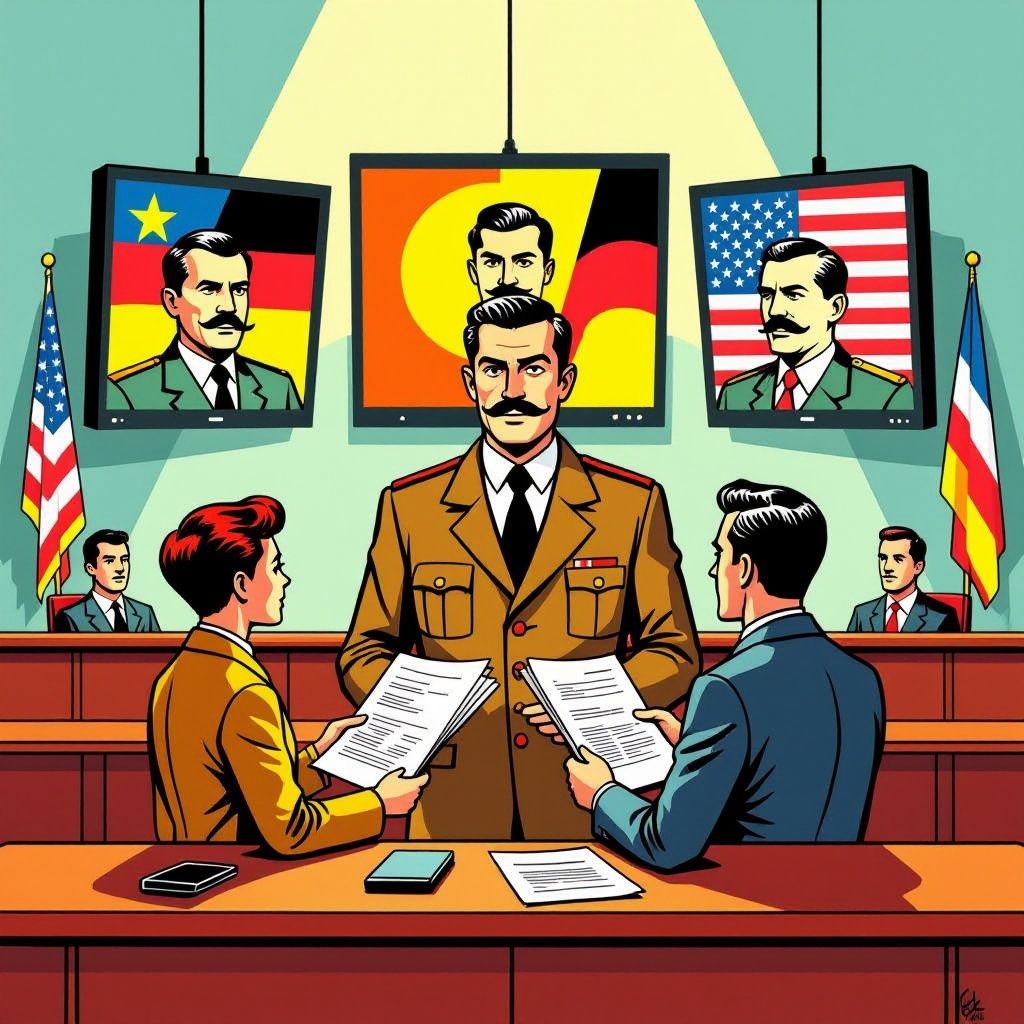
A man from Alsfeld, Germany, has filed a police report after AI-generated images falsely depicted him as Adolf Hitler during the World Cup. Though he isn’t clearly recognizable, his son appears identifiable in the manipulated footage. The deepfake spread rapidly online, amassing over a million views on social media. He claims the U.S.-based creator used OpenAI tools, prompting legal action in both Germany and the United States. The man contacted the FBI and stresses the damage such fake content inflicts beyond humor. His family also filed reports. This case highlights growing threats of identity misuse through AI at global events, where realistic fakes blur truth and fiction. The emotional toll is real. So are the legal efforts to stop it.
incident in duitsland sparks international concern
The incident occurred in Alsfeld, Germany, where Jan Weitzel reported being digitally altered to resemble Adolf Hitler during the 2026 FIFA World Cup [1]. Although Weitzel himself is not clearly visible in the manipulated image, his son is recognizably present beside him [1][3]. The AI-edited footage emerged during Germany’s 7-1 victory over Curaçao on Sunday, showing what appeared to be German fans celebrating alongside a figure resembling Hitler [1]. The video quickly gained traction online, accumulating over one million views on the social platform X [3].
deepfake technology traced to openai tools
An analysis conducted by the VRT fact-checking team confirmed that the image was generated using artificial intelligence software developed by OpenAI, the company behind ChatGPT [3]. The manipulation was sophisticated enough to mimic official broadcast quality, making it difficult to distinguish from authentic footage at first glance [3]. According to Weitzel, the creator of the deepfake is believed to be based in the United States, which prompted cross-border legal coordination [3]. The use of commercial-grade AI models raises concerns about accessibility and accountability in digital impersonation cases [3].
legal actions extend across borders
Jan Weitzel filed formal complaints with law enforcement agencies in both Germany and the United States following the viral spread of the fabricated image [1][3]. He personally reached out to the Federal Bureau of Investigation (FBI) to escalate the matter, citing potential harm to personal reputation and public perception [3]. Family members and close associates also submitted reports due to their indirect portrayal in shared contexts [3]. Legal experts note that prosecuting such cases involves navigating jurisdictional complexities, especially when AI tools and platforms operate internationally [alert! ‘jurisdictional challenges in AI abuse cases remain unresolved’].
global implications for ai ethics and regulation
This event underscores rising anxieties about the misuse of generative AI during major global events like the World Cup, where emotions run high and misinformation spreads rapidly [1][3]. Deepfakes depicting other German supporters performing Nazi salutes were also circulated, amplifying fears of historical distortion and hate symbolism resurfacing [1]. Regulators across Europe have called for stricter oversight of AI-generated content ahead of upcoming elections and sporting tournaments [GPT]. The case exemplifies how easily identities can be weaponized without consent, challenging existing privacy and defamation laws [3].