eu schakelt belastingen terug om crisis door oorlog in iran te lijf te gaan
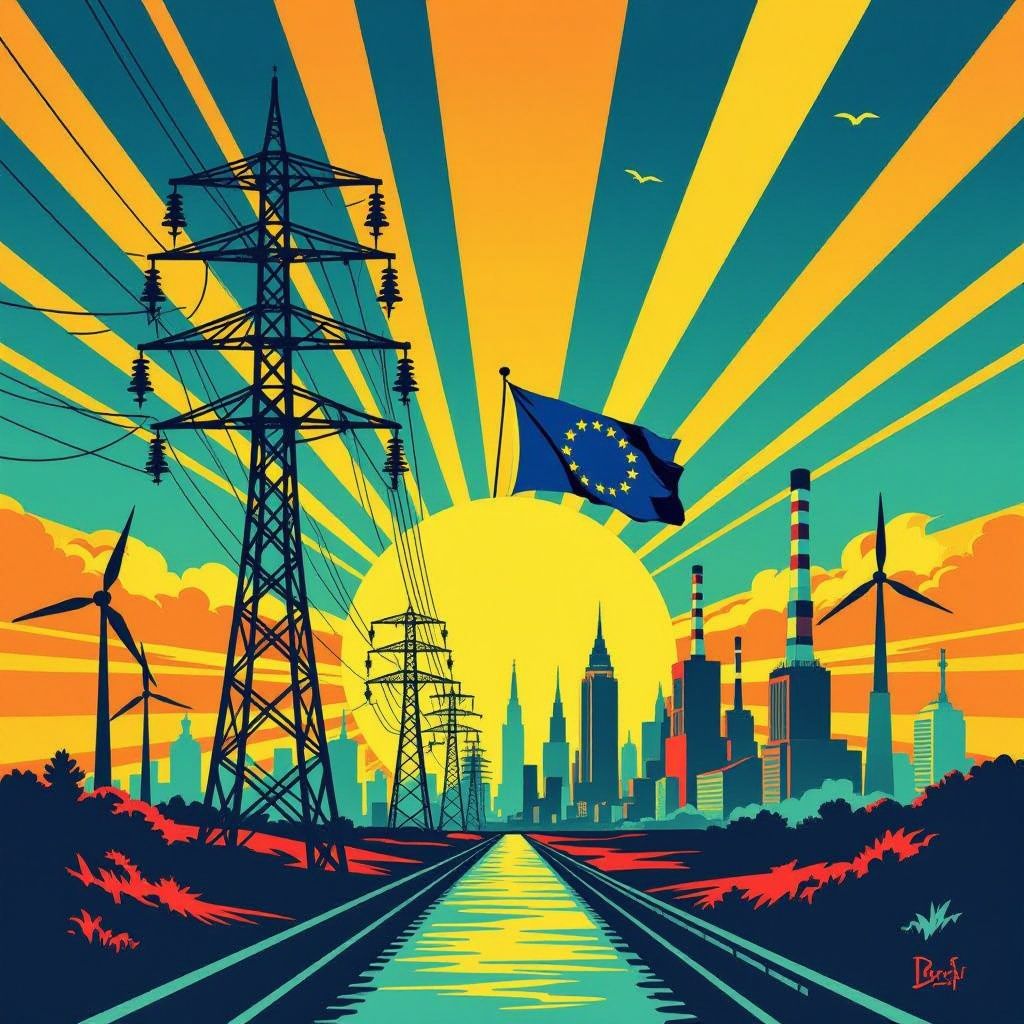
Brussel, dinsdag, 14 april 2026.
De Europese Unie komt met een noodsituatieplan om de elektriciteitsbelasting te verlagen. Deze stap is een directe reactie op de stijgende energieprijzen door de oorlog in Iran. Sinds het begin van het conflict zijn de gasprijzen vrijwel verdubbeld. Het EU-plan voorziet niet alleen in belastingverlaging maar ook in snellere stimulans voor schonere technologieën. Overwegende dat de huidige prijsvolatiliteit ernstige gevolgen heeft voor huishoudens en industrie, kunnen lidstaten energie-intensieve bedrijven belastingvrijstellingen geven. Het doel is duidelijk: minder afhankelijkheid van fossiele brandstoffen en meer stabiliteit in de markt. De transitie wordt nu gezien als essentiële infrastructuuropgave.
eu responds to energy shock with emergency tax measures
The European Union is drafting urgent legislation to lower electricity taxes amid surging energy prices triggered by the ongoing war in Iran [1]. Since the conflict began on February 28, 2026, European gas prices have nearly doubled and remain 35% above pre-war levels as of April 14, 2026 [1]. The proposed fiscal adjustments aim to shield households and businesses from extreme volatility in fossil fuel markets [1]. Member states may soon grant full tax exemptions to energy-intensive sectors facing competitive pressures abroad [1]. These steps form part of a broader effort to stabilize the continent’s energy landscape during international instability [1].
accelerating the shift to clean energy infrastructure
Beyond immediate relief, the EU draft outlines structural reforms to speed up the energy transition [1]. The bloc intends to legally prioritize electricity over fossil fuels by adjusting taxation frameworks before May 2026 [1]. A formal proposal for incentivizing smart grid technology will be submitted to energy ministers next month [1]. Coordinated gas storage refills starting April 2026 aim to prevent synchronized national purchases that spike prices [1]. Officials argue that delaying investments in electrification exposes economies to recurring shocks [1]. “The benefits of this transition clearly outweigh its costs,” according to internal commission assessments [1].
long-term electrification goals face political hurdles
Brussels plans to establish a binding electrification target before summer 2026, pushing industries to switch from oil and gas to cleaner electrical alternatives [1]. However, changing EU tax regulations requires unanimous approval among member states, a significant obstacle [1]. Previous attempts, such as a 2021 initiative to revise electricity levies, have stalled due to lack of consensus [1]. While some nations advance national programs—France recently expanded vehicle leasing schemes for low-income buyers—the pace varies widely [2]. The current crisis adds urgency, but alignment on long-term funding and implementation remains uncertain [1][2].