hoe de oorlog in iran armere landen raakt en nederland dwingt tot actie
Den Haag, zaterdag, 18 april 2026.
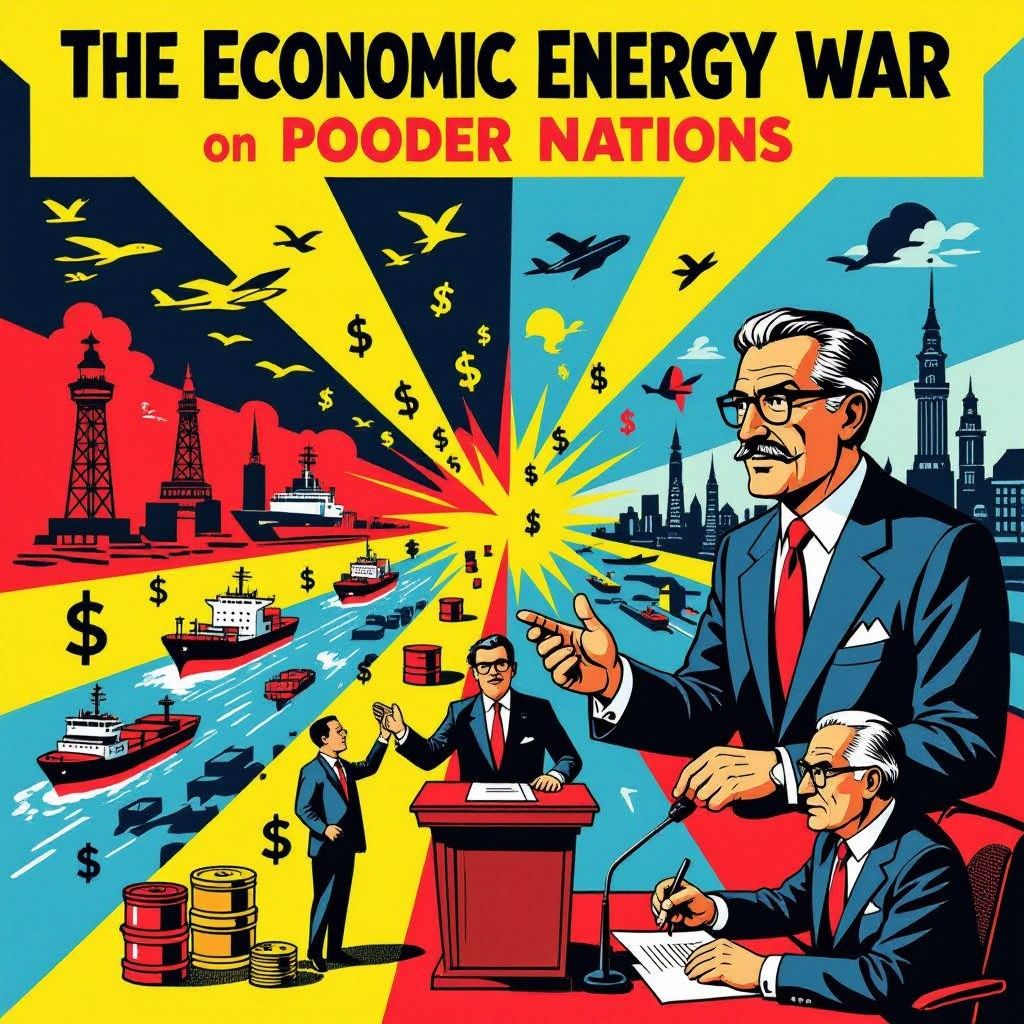
De oorlog in Iran heeft ernstige economische gevolgen voor arme landen. Die zijn extra kwetsbaar voor stijgende energieprijzen en verstoorde handelsroutes. Financieel minister Eelco Heinen waarschuwt dat de impact groot is, met name in ontwikkelingslanden. Zij zien de inflatie snel stijgen en groei vertragen. Nederland neemt het signaal serieus. Het land steunt een internationale oproep tot staakt-het-vuren via het Verenigd Koninkrijk. De blokkade van de Straat van Hormuz verergert de druk op de wereldhandel. Ook Nederland merkt de gevolgen. Er is sprake van hogere kosten voor bedrijven en consumenten. Het kabinet heeft alvast fase 1 van het Landelijk Crisisplan Olie geactiveerd. Internationale samenwerking is volgens Heinen essentieel om de meest kwetsbare economieën te beschermen.
global economic strain from middle east conflict
The ongoing conflict in Iran has triggered significant disruptions in global energy markets. Shipping through the Strait of Hormuz remains severely restricted, raising concerns about supply chain stability. International financial institutions warn this could slow global growth and accelerate inflation pressures. Developing nations face heightened risks due to increased import costs for fuel and food. The International Monetary Fund and World Bank emphasized these vulnerabilities during their Spring Meetings in Washington. Officials highlighted that such shocks disproportionately affect low-income economies already facing fiscal constraints [1].
netherlands responds with coordinated measures
In response to rising market instability, the Dutch government activated phase 1 of its National Oil Crisis Plan on April 15, 2026. This step includes continuous monitoring of national fuel reserves and coordination among key sectors including transport and healthcare. The cabinet also endorsed a UK-led international statement calling for an immediate ceasefire involving Israel, the US, and Iran. Maintaining open maritime routes in the Middle East is deemed essential for uninterrupted oil and liquefied natural gas shipments. The Ministry of Finance confirmed support for multilateral efforts aimed at stabilizing regional trade flows [2][3].
developing countries bear disproportionate burden
Poorer nations are expected to suffer most from the conflict’s economic fallout. Soaring energy prices amplify existing debt burdens and reduce purchasing power amid accelerating inflation. Countries reliant on imported grain and fuel lack sufficient buffers against external price shocks. According to experts at the IMF and World Bank Spring Meetings, additional lending may be necessary to prevent deeper crises in vulnerable regions. Disrupted shipping lanes increase transportation costs globally, which ultimately feed into consumer prices. Without targeted aid, social unrest and currency depreciation could intensify across several emerging markets [1][4].
domestic implications and policy caution
While Europe maintains strategic petroleum reserves covering approximately four months of consumption, domestic businesses face rising input costs. Dutch authorities urge citizens and companies to conserve fuel voluntarily. There are no immediate plans for rationing, but contingency preparations continue under Phase 1 protocols. Finance Minister Eelco Heinen stressed that emergency interventions should remain temporary and precisely targeted. Broad subsidies might distort markets and strain public finances unnecessarily. Instead, he advocates strengthening international mechanisms capable of delivering swift assistance where needed most [2][5].