taalgids en kerosinetekort leiden tot heftig debat in tweede kamer
Den Haag, dinsdag, 7 april 2026.
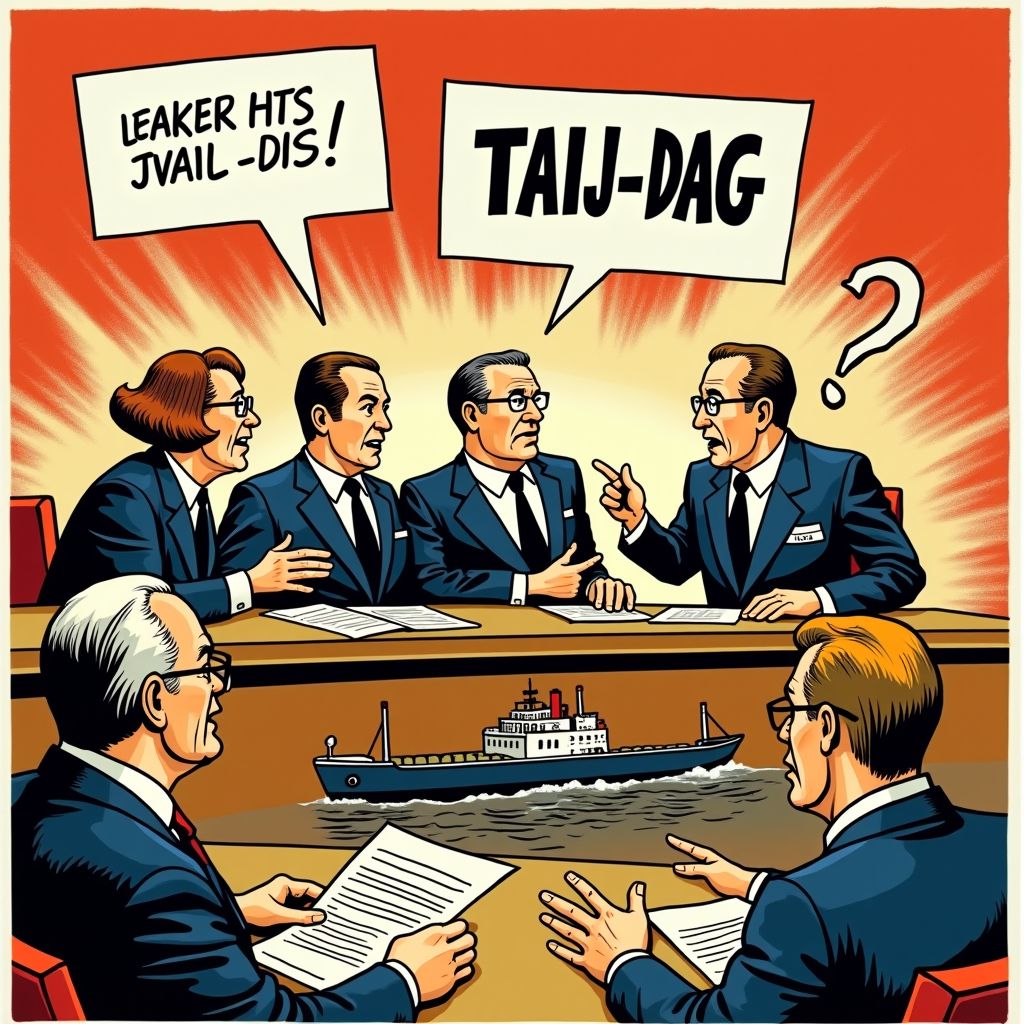
De tweede kamer werd op 7 april 2026 opgeschud door twee brandende kwesties. Een gelekte taalgids van ocw trok felle reacties. Fvd noemde het gebruik van ‘jij-dag’ i.p.v. vaderdag problematisch. Staatssecretaris judith tielen gaf toe dat de gids betuttelend kan werken. Ze vindt het document misschien overbodig en laat het graag ‘in de kast’. Diezelfde ochtend kwam bekend dat er een ernstig kerosinetekort dreigt. De laatste tanker was onderweg naar rotterdam. Als die arriveert, is de reserve bijna op. De luchtvaartsector maakt zich grote zorgen. Ook de compensatieregeling voor de vuurwerkbranche bleef om antwoorden vragen. De oppositie drukte hard op de knop. Het debat toonde spanning tussen beleidsintenties en crisissnelheid. Beide kwesties leggen het crisismanagement van het kabinet bloot.
controversy over leaked ocw language guide
During the question time in the House of Representatives on April 7, 2026, opposition parties raised concerns about a leaked internal language guide from the Ministry of Education, Culture and Science (OCW). Member of parliament Peter van Duijvenvoorde (FVD) criticized proposed terms such as replacing Father’s Day and Mother’s Day with ‘Jij-dag’. He argued that government should not dictate language use, calling it intrusive. The document reportedly includes an inclusive word list meant to promote neutral terminology in official communications [1]. Van Duijvenvoorde questioned whether civil servants were being asked to adopt politically influenced phrasing.
ministerial response and admission of patronizing tone
Staatssecretaris Judith Tielen (VVD), responsible for education and emancipation, acknowledged that the language guide could come across as condescending. She stated that such paternalism contradicts the principle of emancipation, which she supports. While emphasizing the importance of respectful and equal communication, Tielen admitted the guide may no longer be necessary. “It may just as well go back in the cabinet,” she said, indicating her willingness to discontinue its use [2]. The development of the guide reportedly cost around €40,000 [2]. Tielen denied any formal ban on words existed.
aviation sector alarmed by looming kerosene shortage
Also during the session, GroenLinks-PvdA member Suzanne Kröger questioned the Minister of Infrastructure and Water Management about a severe kerosene shortage threatening air travel. According to reports, the last supply tanker was en route to Rotterdam, after which national reserves would nearly run out [1]. Industry representatives expressed concern over potential flight disruptions if alternative supplies were not secured promptly. The issue highlights vulnerabilities in fuel logistics and energy security planning. Lawmakers pressed the government for clarity on emergency measures and coordination with international suppliers [3].
outstanding questions on fireworks industry compensation
Caroline van der Plas of Farmer-Citizen Movement (BBB) addressed unanswered written questions concerning financial support for the fireworks industry. Businesses affected by firework sale restrictions remain uncertain about eligibility and payout timelines under the existing compensation scheme [1]. Van der Plas urged swift clarification from the State Secretary of Infrastructure and Water Management. Delays in processing applications have caused frustration among entrepreneurs who depend on timely aid. Transparency in decision-making processes remains a key demand from the sector [4].
debate underscores pressures on policy implementation
The parliamentary exchange revealed growing scrutiny over both cultural policies and crisis management capabilities. The leak of the OCW language manual intensified debates about bureaucratic overreach versus inclusive communication practices. Simultaneously, logistical threats like the kerosene deficit test governmental responsiveness. Opposition parties emphasized accountability and effectiveness in addressing urgent matters. With public trust tied closely to execution speed, ministers face mounting expectations to resolve issues swiftly. The dual focus illustrates how administrative decisions and infrastructure stability intersect in political discourse [1][2].