betaald parkeren breidt zich uit in Den Haag: vijf nieuwe wijken betrokken in 2026
Den Haag, donderdag, 5 maart 2026.
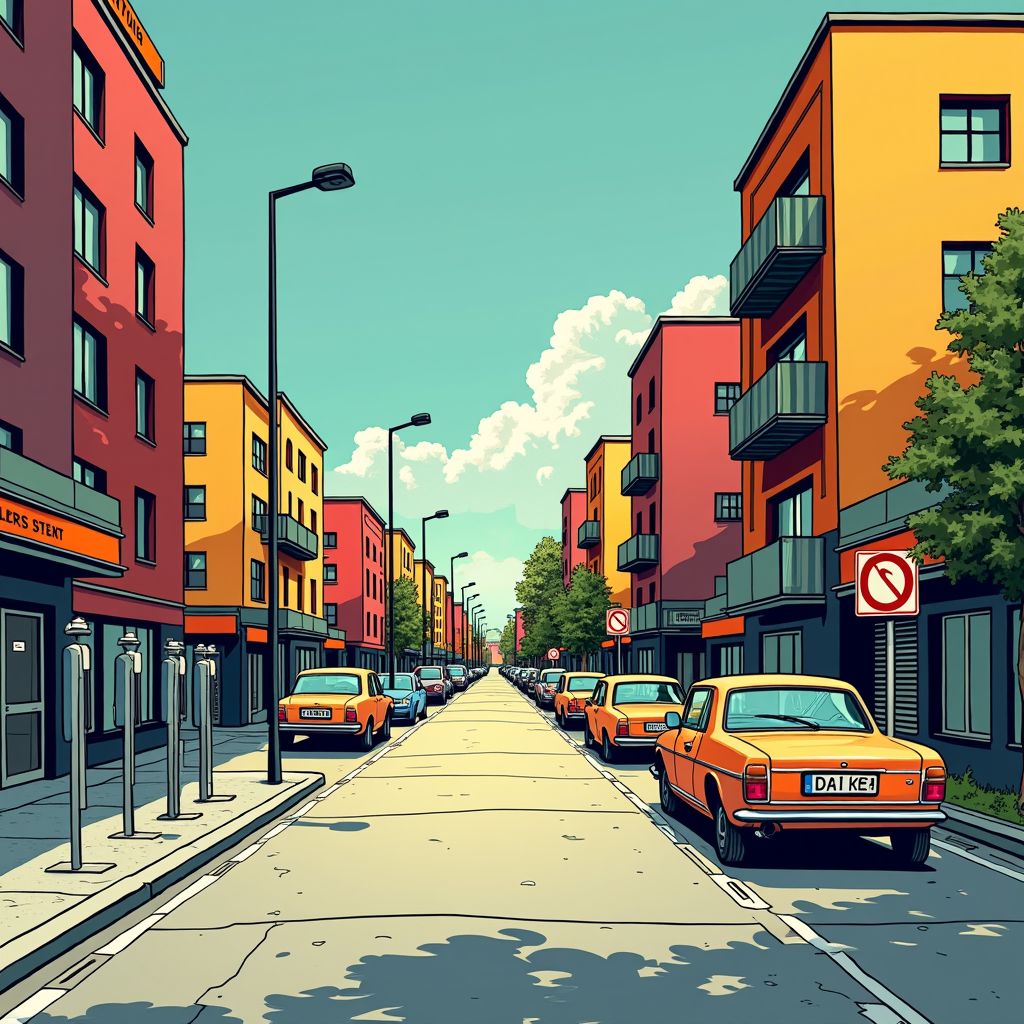
Den Haag voert dit jaar betaald parkeren in in vijf extra wijken. Het beleid richt zich op het verminderen van verkeersdruk en het vrijmaken van parkeerruimte voor bewoners. In wijken als Vroondaal en Leidschenveen/Ypenburg geldt een uitzondering: daar blijft het bij vergunningparkeren. De gemeente baseert de uitbreiding op een coalitieakkoord uit 2022. Critici noemen het initiatief een inkomstenbron voor de gemeentekas. Andere partijen roepen op tot meer parkeercapaciteit en slimme oplossingen zoals schuinparkeren. De invoering gebeurt in fases, met een start in Erasmusveld-Midden op 1 mei 2026.
phased rollout in five new neighborhoods
The city of The Hague is implementing paid parking across five additional neighborhoods in 2026. The phased introduction begins on May 1, 2026 in Erasmusveld-Midden, which was initially scheduled for December 2025 but delayed due to resident opposition [1]. On June 1, 2026, permit parking zones in Binckhorst will expand despite criticism from council members [1]. Further expansions follow on October 1, 2026 in Mariahoeve and Marlot, and on December 1, 2026 in Loosduinen, both following analysis of local parking demand [1]. Information sessions for residents in Erasmusveld-Midden were planned for late March 2026 [1].
exceptions and alternative measures
Not all areas are transitioning to paid parking. Neighborhoods including Vroondaal, Wateringse Veld, and Leidschenveen/Ypenburg will retain permit-based systems where access depends on demonstrated parking pressure [1]. This approach aligns with broader policy goals outlined in the 2022 coalition agreement between D66, VVD, GroenLinks, PvdA, and CDA parties [1]. The Christian Democratic Appeal (CDA) emphasizes that paid parking should only be introduced alongside increased parking capacity [4]. They advocate for underground solutions and better utilization of commercial garages for local permit holders at fair rates [4].
political debate and public consultation
The expansion faces political resistance. Hart voor Den Haag criticizes the move, calling it an “ordinary cash cow” for municipal finances without sufficient evidence of need [2]. Party leader Richard de Mos argues that payment alone does not solve shortages if spaces remain inadequate [2]. His party collected over 15,000 signatures demanding a referendum on the issue, but the proposal was canceled by a D66 alderman [2]. De Mos insists decisions require measurable congestion data and community support rather than blanket implementation across districts regardless of necessity [2].
infrastructure and mobility considerations
Beyond revenue generation, officials cite traffic reduction and improved space allocation as key objectives [1]. The CDA supports developing large-scale underground facilities and integrating electric vehicle charging infrastructure, especially in tight areas [4]. Their vision includes more monitored bike storage near transit hubs such as Laan van NOI, Ypenburg, and Moerwijk [4]. For businesses, concerns exist about accessibility, with competing narratives emerging—while The Hague strengthens its regulations, nearby Zoetermeer promotes itself as offering free parking and smoother administrative processes to attract entrepreneurs dissatisfied with the capital city’s climate [5].
outlook beyond 2026
While most districts will see changes during 2026, full coverage remains incomplete. Areas including Kijkduin and De Uithof are exempt until at least 2027, pending further clarification from city authorities [1]. Future planning includes evaluating parking norms in growing districts like Binckhorst, particularly regarding car-light housing ambitions versus available public transport alternatives [4]. Discussions continue around establishing a municipal parking company in development zones and securing agreements with private garage operators to serve neighborhood permit holders affordably [4]. Final judicial rulings on similar policies elsewhere may influence ongoing assessments [3].