Den Haag slaat alarm bij explosieve stijging illegaal grofvuil
Den Haag, vrijdag, 24 april 2026.
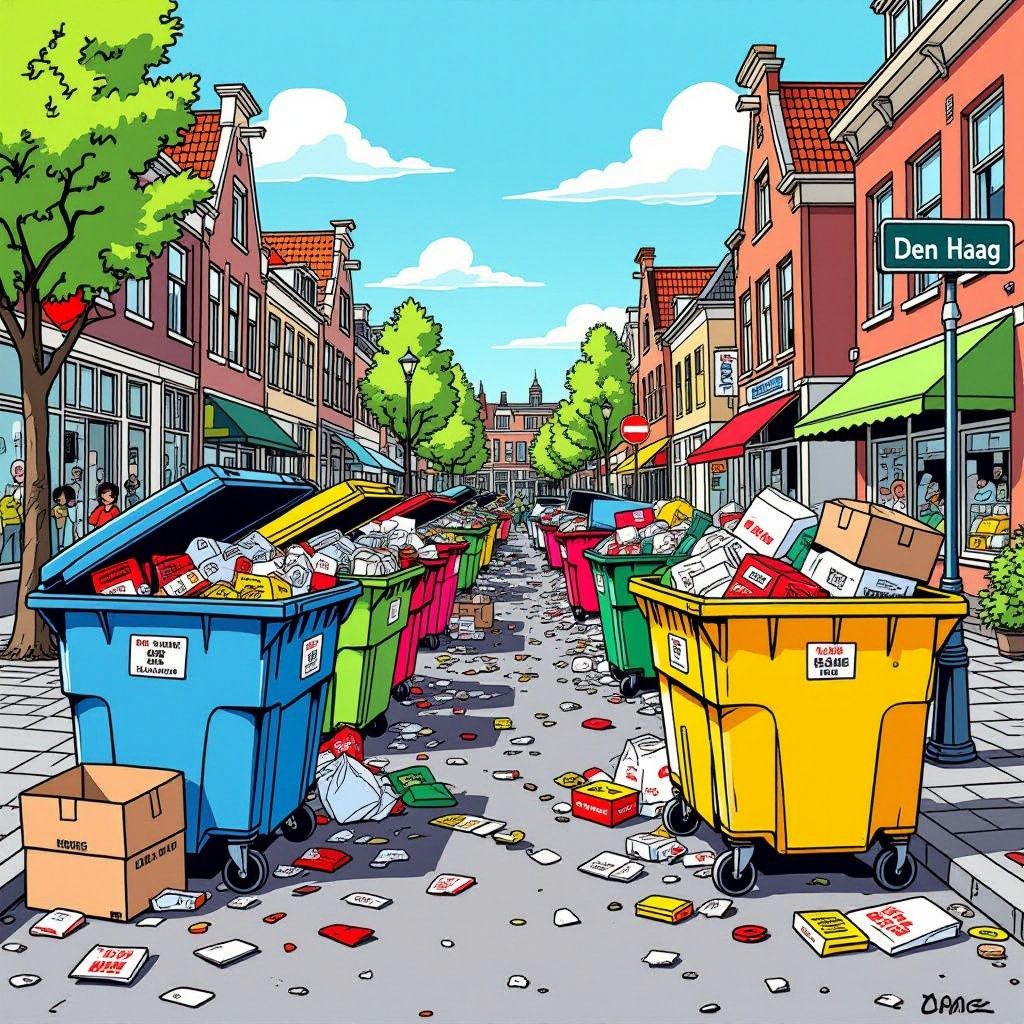
Illegaal grofvuil in Den Haag steeg afgelopen jaar naar 11,2 miljoen kilo. Dat is een flinke toename ten opzichte van 2024. De gemeente ziet de druk op de openbare ruimte groeien door meer bewoners, toeristen en online bestellingen. Ondanks de inzet van bewoners, ondernemers en honderden vrijwilligers blijft het probleem nemen. Een nieuw onderzoek van Erasmus wijst uit dat handhaving alleen niet werkt. Mensen gooien vuil weg vanwege gebrek aan ruimte, sociale druk of taalproblemen. Vanaf 2026 scherpt de gemeente daarom de aanpak aan. Er komen meer controles, snellere verwijdering van vuil en gerichte bewustwordingscampagnes. De focus ligt op de plekken waar het het hardst nodig is.
explosive growth in illegal dumping pressures public spaces
In 2025, illegally dumped bulky waste in The Hague reached 11.2 million kilograms, marking a significant rise compared to 2024 levels [1]. This surge places growing pressure on public areas due to population expansion, increased tourism, and rising home deliveries [1]. Despite active participation from residents, businesses, volunteers, and municipal services, the volume of illegal dumping continues to climb [1]. The city identifies persistent challenges across neighborhoods including Moerwijk, Rustenburg-Oostbroek, Laak, and Schilderswijk where localized efforts struggle to keep pace with demand [1].
research reveals root causes beyond enforcement
An Erasmus University study published in early 2026 highlights that conventional enforcement alone fails to curb illegal dumping effectively [1]. Behavioral factors such as household space constraints, social norms, peer influence, and language barriers contribute significantly to improper waste disposal practices [1]. Authorities acknowledge these insights require tailored outreach strategies rather than reliance solely on penalties [1]. Community-specific communication and neighborhood support systems emerge as essential tools for sustainable behavioral change regarding bulky waste management [1].
expanded measures target hotspots and habits
Building on lessons learned in 2025, the city launches intensified actions starting in 2026 focused on prevention and faster response [1]. Key initiatives include expanded weekend cleaning operations, targeted awareness campaigns addressing fine litter like cigarette butts, and strengthened coordination between local authorities and communities [1]. Alderman Arjen Kapteijns emphasized ongoing resident involvement makes a tangible difference and pledged continued investment where environmental pressures mount most severely [1].
community cleanups empower neighborhood action
Local empowerment remains central to the strategy, exemplified by organized cleanup days such as the event scheduled for May 12, 2026, in the Bloemenbuurt district [2]. Residents can drop off reusable goods, broken furniture, old bicycles, small electronics, and chemical waste free of charge along Goudsbloemlaan [2]. Items in good condition go directly to circular economy shops while others undergo official disposal procedures [2]. For those unable to attend, alternative options include scheduling free bulky waste pickup or visiting designated drop-off points using personal waste passes [2].
cultural shifts through direct engagement
Beyond logistics, officials promote cultural change through grassroots events like the recent festival at De Lamel housing complex [4]. Organized jointly by tenants and property managers, it combined entertainment with educational activities about responsible waste handling [4]. Children participated in creative recycling workshops while adults received guidance from health officers and city representatives [4]. Such low-threshold gatherings foster shared responsibility for cleanliness and sustainability, aligning formal policies with lived experience in residential areas [4].