Dilan Yesilgöz neemt roer over bij Defensie
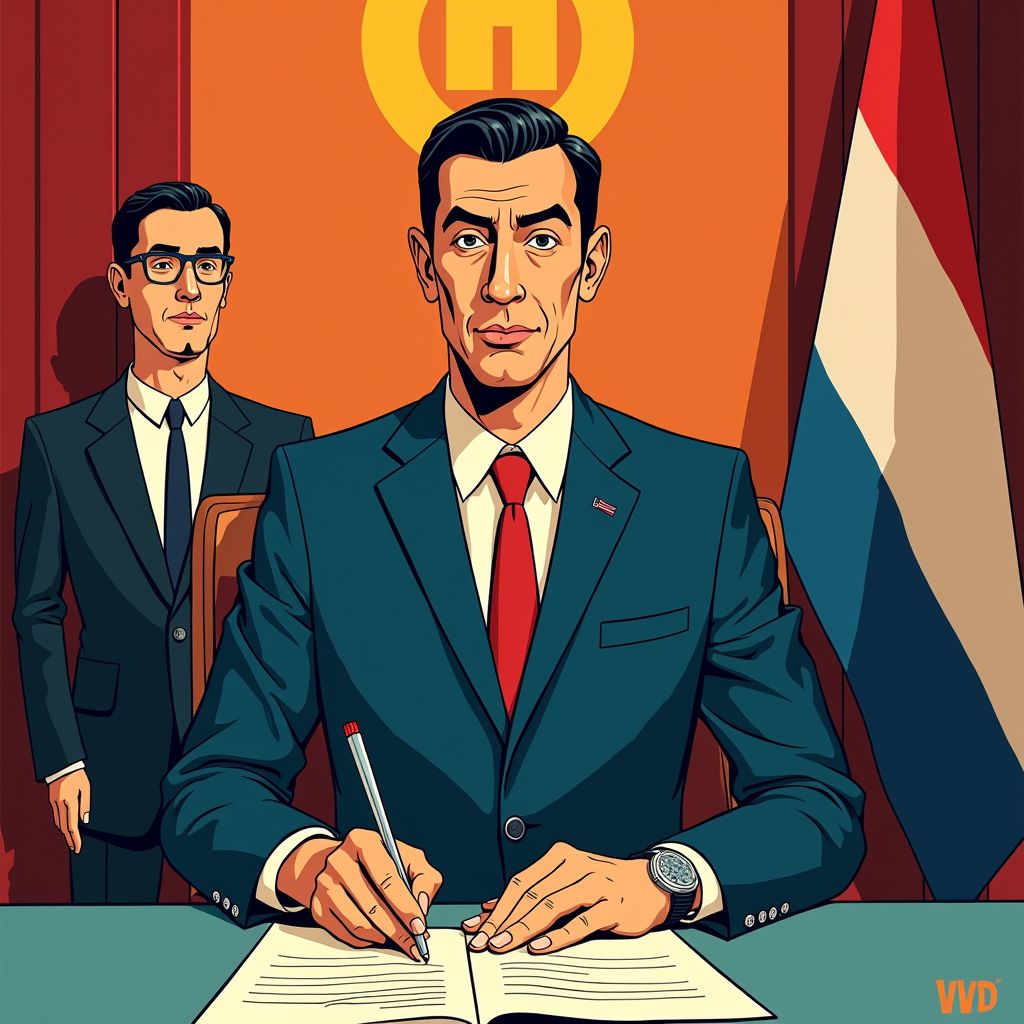
Den Haag, donderdag, 5 februari 2026.
Dilan Yesilgöz stapt van de Tweede Kamer naar het kabinet-Jetten als minister van Defensie en vicepremier. Haar benoeming markeert een strategische verschuiving binnen de VVD, nadat ze lange tijd zweeg over haar toekomstplannen. Yesilgöz, met ervaring als minister van Justitie en Veiligheid, richt zich nu op internationale veiligheidsvraagstukken. Ze neemt het ministerie over van Ruben Brekelmans, die terugkeert naar de Kamer als fractieleider. Het kabinet-Jetten, geleid door Rob Jetten, start onder druk van toenemende geopolitieke spanningen. Yesilgöz benadrukte dat veiligheid een topprioriteit is, zowel internationaal als nationaal. Haar aanstelling komt tegelijk met een flinke financiering voor Defensie, wat de komende jaren een grotere operationele slagkracht moet opleveren.
dilan yesilgöz steps into defence role
Dilan Yesilgöz officially becomes minister of Defence in the new Jetten cabinet [1]. She transitions from being the VVD leader in parliament to taking charge of national military strategy [2]. This appointment ends weeks of public speculation about her future role [1]. Yesilgöz expressed strong commitment to strengthening international security cooperation [3]. Her leadership comes during heightened European tensions, demanding immediate policy attention [2]. The decision aligns with prior coalition agreements assigning the VVD control over defence matters [2].
shift in vvd leadership dynamics
With Yesilgöz moving to the cabinet, Ruben Brekelmans assumes leadership of the VVD parliamentary group [1]. Brekelmans previously served as acting defence minister before stepping down [1]. His return to the Second Chamber ensures experienced oversight of military policy [3]. Yesilgöz emphasized mutual agreement on this leadership change [3]. Both politicians stressed continuity in party vision despite shifting roles [1]. This internal handover allows the VVD to maintain influence across branches [3].
expanded responsibilities and expectations
Yesilgöz simultaneously serves as deputy prime minister alongside her defence portfolio [1]. This dual mandate underscores her central position within the minority government [2]. The expanded defence budget outlined in the coalition deal provides critical resources [2]. Implementation depends heavily on cross-party support due to limited seats [2]. Yesilgöz highlighted balancing domestic safety concerns with global commitments [3]. Maintaining troop readiness and modernizing equipment remain top priorities [2].
background and historical context
Previously, Yesilgöz held the justice and security portfolio under Rutte’s administration [3]. That experience shaped her approach to crisis management and rule of law enforcement [3]. Transitioning to defence represents a strategic pivot towards external threats [1]. Historical precedents show similar shifts among senior Dutch politicians [GPT]. The current geopolitical climate necessitates robust civil-military coordination [2]. Past reforms emphasize interoperability with NATO allies [GPT].
coalition framework and implications
The Jetten-led coalition consists of D66, VVD, and CDA parties forming a narrow majority [2]. Key ministries were divided according to negotiated terms finalized recently [2]. While CDA controls foreign affairs, VVD manages justice and defence operations [2]. Financial allocations prioritize security infrastructure upgrades through 2035 [2]. Annual spending targets reach 3.5 percent of GDP by mid-decade [2]. Long-term stability hinges on sustained interparty collaboration [2].