orbán trekt zich terug uit parlement na historische nederlaag
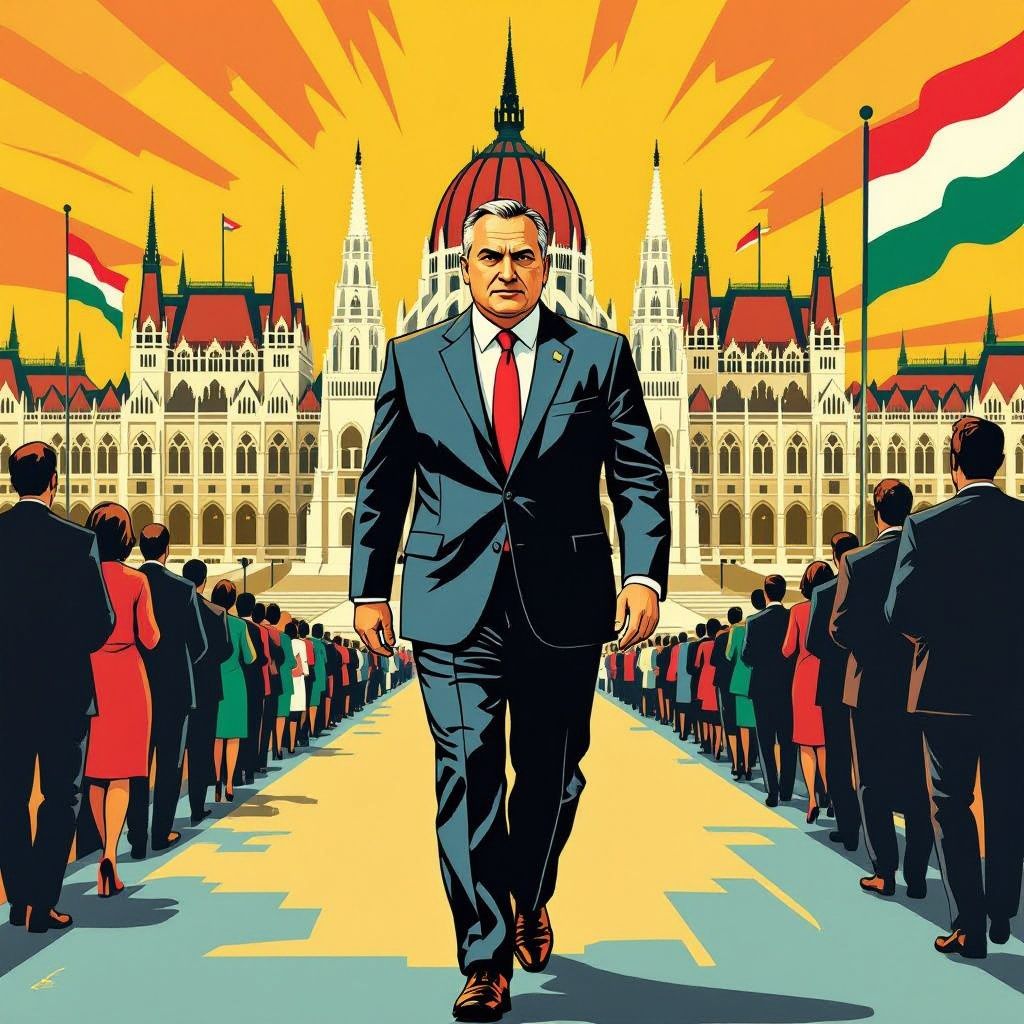
Boedapest, zaterdag, 25 april 2026.
Viktor Orbán komt niet terug in het Hongaarse parlement na de zware verkiezingsnederlaag van Fidesz. Zijn partij verloor ruim tweederde van haar zetels. Orbán zegt zich te richten op de “reorganisatie” van het nationale kamp. Dit is de eerste keer sinds 1990 dat hij geen parlementslid is. De nieuwe premier Péter Magyar spreekt van gebrek aan verantwoordelijkheid. De machtsverschuiving brengt een abrupt einde aan zestien jaar conservatief-nationalisme. Tisza behaalde direct een tweederdemeerderheid. Europa observeert de transitie nauw.
historic exit from national assembly
Hungary is witnessing a historic political shift after Viktor Orbán announced he will not assume his parliamentary seat following Fidesz’s severe electoral loss [1]. This marks the first time since 1990 that Orbán, who has continuously served as a member of parliament, will be absent from the National Assembly [3]. His decision comes after Fidesz lost control of nearly two-thirds of its seats, dropping from 135 to just 52 out of 199 total seats [2]. Orbán described the outcome as both “pijnlijk” and a “schok”, acknowledging his opponent’s superior campaign strength [3].
strategic retreat for party renewal
Orbán stated he would focus entirely on the internal reorganization and renewal of Fidesz and the broader nationalist camp [3]. He emphasized that his leadership is more urgently needed outside parliament to rebuild the party base [4]. While stepping back from legislative duties, Orbán remains eligible to continue as party chairman pending approval at an upcoming congress scheduled for June [3]. The party’s executive board recommended retaining him in leadership, signaling ongoing institutional support despite the electoral setback [4]. Gulyás Gergely will lead the new parliamentary faction starting Monday [4].
political fallout and opposition reaction
Incoming Prime Minister Péter Magyar sharply criticized Orbán’s withdrawal, calling it an evasion of responsibility [1]. On social media, Magyar mocked Orbán as a ‘dappere straatvechter’ incapable of accountability, likening him to former controversial leader Ferenc Gyurcsány [2]. Magyar’s Tisza party secured 141 seats, granting it an immediate two-thirds majority necessary to reverse previous conservative-nationalist policies [2]. Additional resignations followed, including Deputy Premier Semjén Zsolt and three KDNP lawmakers, further reshaping the opposition landscape ahead of the May 9 swearing-in ceremony [5].
implications for hungary and europe
The power transition ends sixteen consecutive years of conservative-nationalist governance under Orbán [3]. With a strong mandate, the incoming Tisza government plans significant reforms, including transparency measures and restructuring foreign policy toward closer European integration [2]. Analysts suggest this realignment may influence EU dynamics, particularly regarding rule-of-law mechanisms and Ukraine aid coordination [3]. The record voter turnout—approximately 78 percent—underscores public demand for change and strengthens the democratic legitimacy of the new administration before its formal inauguration [3].