Nederlandse schrijvers en journalisten eisen einde aan gebruik van hun werk door Meta voor AI
Amsterdam, vrijdag, 27 februari 2026.
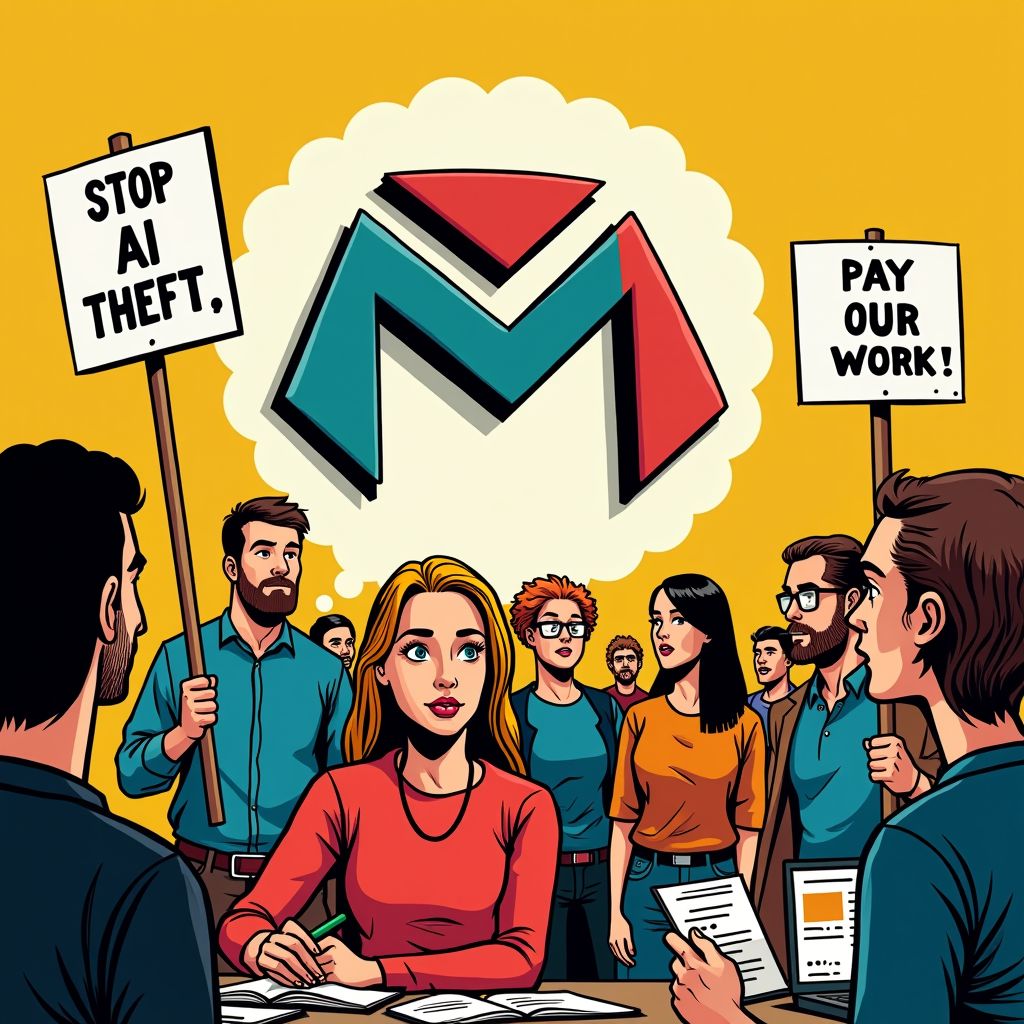
Meta gebruikt honderdduizenden teksten van Nederlandse schrijvers, journalisten en vertalers voor de training van zijn AI-modellen. Dit zonder toestemming of betaling. De Auteursbond, NVJ en Stichting Lira stuurden een sommatiebrief met de eis om direct te stoppen. Het werk zou komen uit illegale datasets zoals Library Genesis. Als Meta niet meewerkt, volgt een dagvaarding. De makers benadrukken dat hun teksten essentieel zijn voor AI, maar dat zij niet dienen als gratis grondstof. Ze eisen een eerlijke regeling voor compensatie. De druk op techbedrijven neemt toe binnen Europa.
collective action against meta’s ai practices
On February 27, 2026, Dutch authors, translators, and journalists united through the Auteursbond, the Nederlandse Vereniging voor Journalisten (NVJ), and Stichting Lira to confront Meta regarding unauthorized use of copyrighted texts for artificial intelligence training [1]. Their joint ultimatum demands immediate cessation of such activities involving works sourced without permission from illegal databases like Library Genesis [2][3]. The coalition emphasizes these actions violate intellectual property laws and undermine creators’ economic rights [4].
legal grounds and commercial implications
The organizations argue that Meta utilized vast quantities of protected literary content—books, articles, essays—in developing its Llama AI models without seeking consent or offering compensation [2][4]. Such conduct contradicts existing European copyright legislation designed to protect creative professionals [1][3]. Meanwhile, Meta pursues significant commercial interests through its AI ventures, projecting substantial future revenue streams derived partly from data harvested from Dutch-language authors who receive nothing in return [2][4]. This imbalance fuels accusations of exploitation [5].
call for fair compensation frameworks
While not opposing technological innovation outright, representatives stress that creators should not serve as unpaid raw materials suppliers for billion-dollar enterprises [2]. According to Liesbet van Zoonen, chair of the Auteursbond, equating fairness means establishing payment mechanisms where none currently exist [2]. Thomas Bruning, general secretary of the NVJ, underscores that authorial labor forms the foundation upon which functional language models depend—without it, quality deteriorates rapidly [2][4]. They propose collective agreements managed via Lira to streamline permissions and remunerations across thousands of affected individuals efficiently [2].
threat of legal enforcement and broader impact
Should Meta fail to comply within a reasonable timeframe following receipt of the formal notice, legal proceedings will commence promptly according to union leaders [1][3]. Already possessing strong evidentiary support based on prior disclosures concerning illicit dataset origins strengthens their litigation posture significantly [3]. Although targeting Meta initially due to well-documented infractions linked to public court filings in the United States earlier that month, officials confirm similar scrutiny may extend toward other major technology firms suspected of parallel violations moving forward [3][5]. This marks a pivotal moment in asserting creator sovereignty amid rapid digital transformation pressures.