Zelensky waarschuwt Europa: territoriale concessies leiden naar meer oorlog
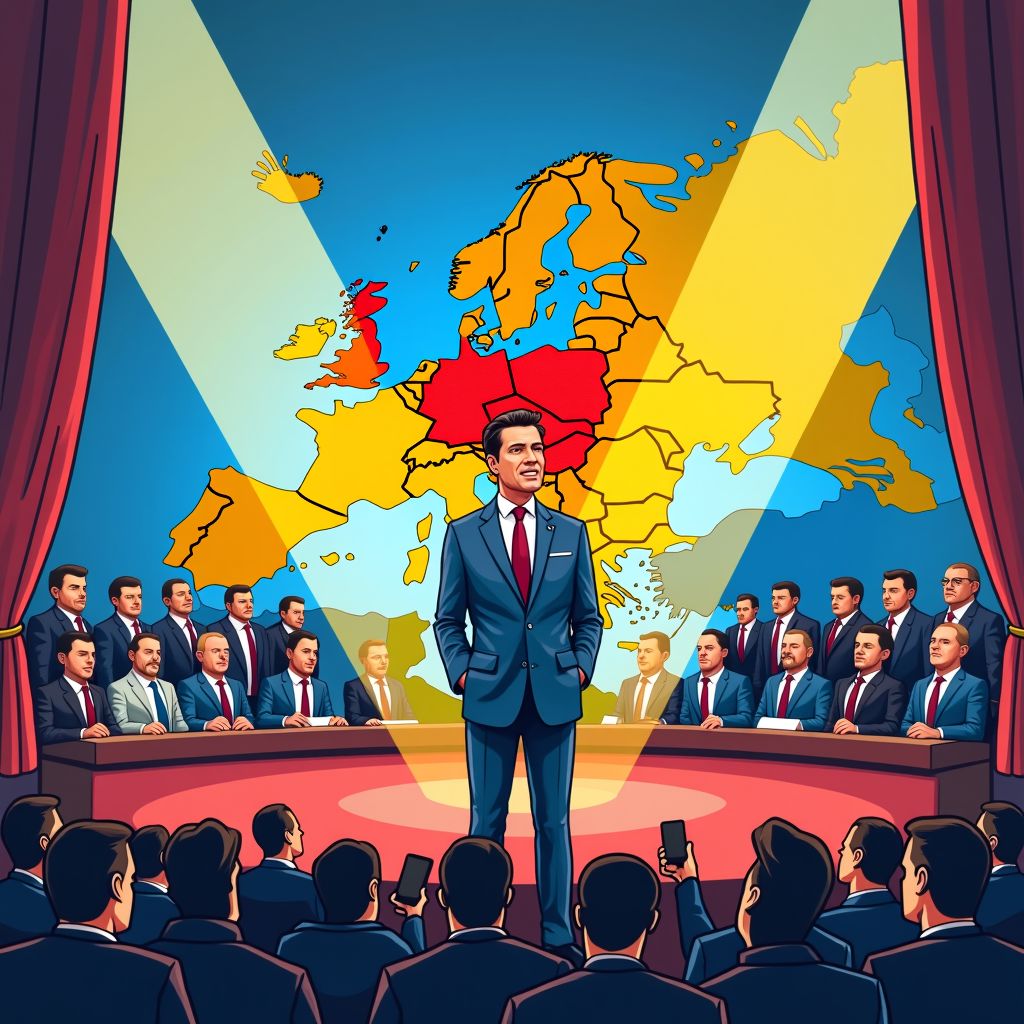
München, zaterdag, 14 februari 2026.
Tijdens de veiligheidsconferentie in München stelde Oekraïnes president Volodymyr Zelensky dat elke territoriale concessie aan Rusland een dreiging vormt voor Europese stabiliteit. Hij vergeleek de huidige diplomatieke druk op Oekraïne met de jaren dertig van de twintigste eeuw, toen Tsjechië werd opgeofferd om oorlog te vermijden. Die concessie faalde. De geschiedenis lijkt zich nu te herhalen. Zelensky benadrukte dat echte vrede alleen komt door soevereiniteit, niet door onderwerping. Hij riep Europa op actiever mee te denken in de onderhandelingen. Nu is Europa nauwelijks aan tafel, zei hij. Zonder lange termijn garanties blijft zijn land kwetsbaar. De VS bood vijftien jaar veiligheidsgaranties. Zelensky wil twintig of meer. Voor hem is elk stukje grond sacrosanct. Vrede zonder integriteit is geen vrede.
Zelensky’s warning at the Munich Security Conference
During the Munich Security Conference on February 14, 2026, Ukrainian President Volodymyr Zelensky warned that territorial concessions to Russia would threaten European stability [1]. He compared current diplomatic pressure on Ukraine to the 1930s, when Czechoslovakia was sacrificed in a failed attempt to prevent war [2]. Concessions, he argued, do not secure peace—they invite further aggression [3]. Zelensky stressed that true peace must be built on sovereignty, not submission [4].
Historical parallels and modern stakes
Zelensky invoked the 1938 Munich Agreement, where Western powers allowed Nazi Germany to annex the Sudetenland, believing it would preserve peace [5]. That compromise failed, leading to World War II [6]. Today, similar pressures urge Ukraine to cede territory for a quick settlement [7]. But Zelensky insisted such deals are illusions [8]. He emphasized that undermining Ukraine’s territorial integrity would destabilize the entire continent [9]. History shows appeasement rarely works [GPT].
Calls for stronger European involvement
Zelensky criticized Europe’s limited presence in ongoing negotiations [10]. Despite being central to continental security, European voices remain sidelined [11]. “It is we—Ukrainians—who are trying to bring Europe fully into the process,” he said [12]. He urged EU leaders to assert their strategic interests at the table [13]. Without active European engagement, any agreement risks lacking legitimacy and durability [14]. Unity, he argued, is essential to counter Russian aggression effectively [15].
Security guarantees and long-term planning
The United States has proposed 15 years of security guarantees for Ukraine [16]. However, Zelensky expressed preference for longer commitments—ideally 20 years or more [17]. “We want 20 years plus. 30, 50… We’ll see what the administration and Congress will do,” he stated [18]. Extended agreements are vital to deter future attacks and rebuild national confidence [19]. Short-term promises may offer false reassurance [alert! ‘long-term effectiveness uncertain’].
Defiance on territorial integrity
Zelensky reaffirmed that no part of Ukrainian territory will be surrendered [20]. “We will not sacrifice any square kilometer of our land for the sake of peace,” he declared [21]. This principle extends to all regions currently under partial occupation [22]. Ceding ground, he warned, would weaken the foundation of European security [23]. Sovereignty is non-negotiable—not just for Ukraine, but for all democracies facing coercion [24].
Bronnen
- kyivindependent.com
- english.news.cn
- www.youtube.com
- www.youtube.com
- www.britannica.com
- history.state.gov
- amp.dw.com
- www.youtube.com
- www.cfr.org
- ec.europa.eu
- www.nato.int
- kyivindependent.com
- www.consilium.europa.eu
- www.reuters.com
- www.atlanticcouncil.org
- www.whitehouse.gov
- www.theguardian.com
- english.news.cn
- www.rand.org
- www.youtube.com
- www.youtube.com
- frontlinedefenders.org
- www.ft.com
- www.bbc.com