rode waarschuwing voor de gehandicaptenzorg
Den Haag, maandag, 23 februari 2026.
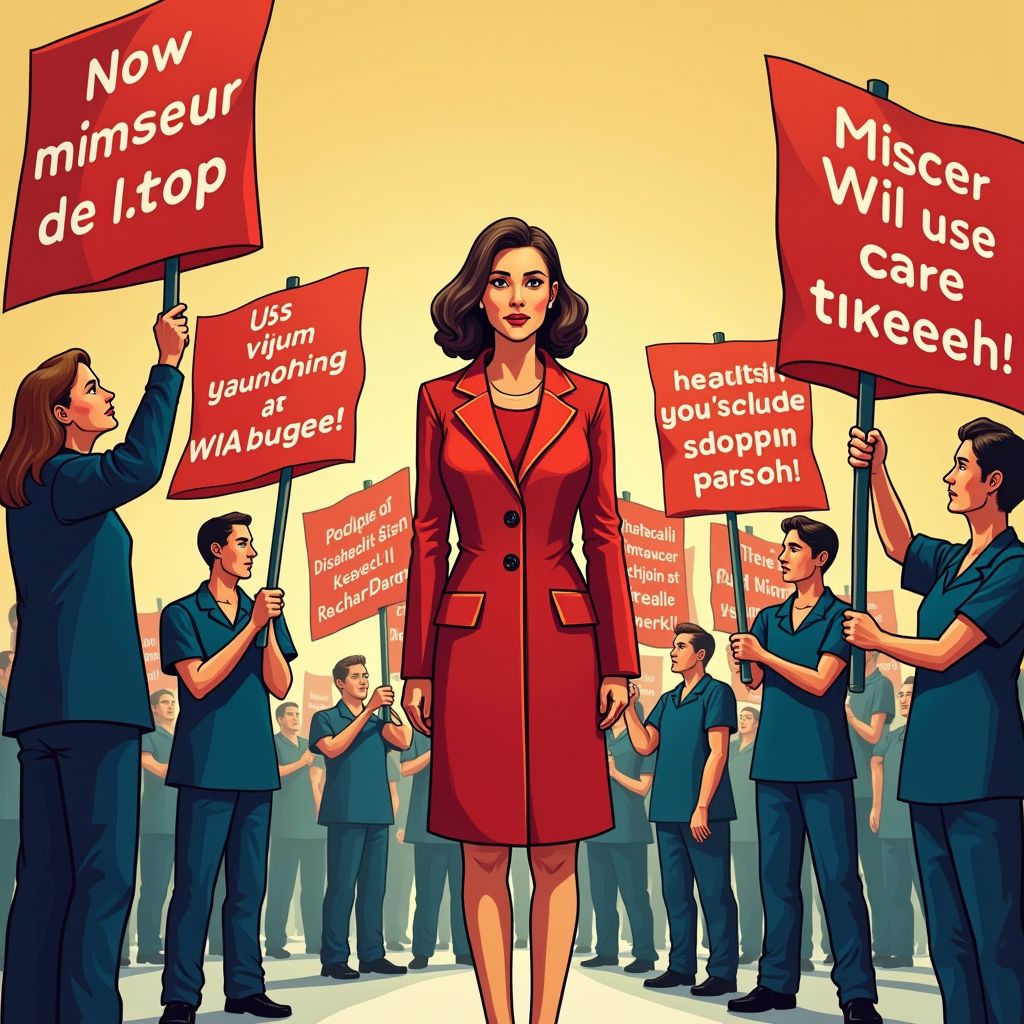
Minister Mirjam Sterk droeg felrood om de zorg voor mensen met een beperking zichtbaarder te maken. Die kleur wordt nu een symbool van protest. Zorgprofessionals maken zich massaal zorgen over de kwaliteit van de zorg. Bezinning op grootschalige bezuinigingen is hard nodig. Er dreigt een halve miljard euro te worden geschrapt in de gehandicaptenzorg. Dat gebeurt terwijl de sector al kampt met personeelstekorten en hoge werkdruk. De verlaging van WIA-uitkeringen en het stopzetten van respijnzorg verergeren de spanning. Critici wijzen erop dat het beleid indruist tegen het VN-verdrag inzake handicappen. De Tweede Kamer moet nu ingrijpen. Het vertrouwen in kostendekkende tarieven is al grotendeels verdwenen. Mensen met een meervoudige beperking voelen zich in de steek gelaten. De belofte van gelijke kansen krijgt concrete barrières. Het land wacht op duidelijkheid.
red as a warning sign for disability care
Minister Mirjam Sterk wore bright red clothing during a recent official photo appearance to highlight visibility for people with disabilities [1]. Her choice sparked attention ahead of parliamentary debates on government policy. The color red has since become symbolic among care professionals protesting proposed austerity measures [1]. Many workers plan to wear red on 25 February 2026 as part of the #SterkVoorGehandicaptenzorg campaign calling for stronger support [1]. This visual movement underscores growing concern across the country about deteriorating care conditions [1].
deepening crisis in disability care funding
The coalition agreement includes both old and new cost-cutting plans that total around €500 million in savings by 2030 within disability care [3]. Additional earlier cuts amount to €239 million, bringing overall reductions close to €775 million according to CPB analysis [4]. These figures represent significant pressure on an already strained system [3][4]. Care providers warn that personal attention will decrease, citing fewer shower sessions, reduced evening and weekend support, and less flexibility in bedtime routines [3][4]. Such changes directly affect quality of life for those receiving care [3].
workforce strain and rising vacancy rates
The disability care sector currently faces a shortage of approximately 10,000 staff members [3]. Projections indicate this gap could widen to 22,000 unfilled positions by 2034 if current trends continue [3]. Higher workloads increase burnout risks and reduce job satisfaction among existing employees [3]. Unions argue these vacancies compromise service delivery and patient safety [3]. Recruitment challenges are exacerbated by stagnant wages and increasing administrative burdens [3]. Without intervention, experts predict further erosion of care standards nationwide [3].
policy shifts undermining international commitments
Critics point out that domestic policies contradict obligations under the UN Convention on the Rights of Persons with Disabilities, ratified by the Netherlands in 2016 [4]. While the government claims commitment to implementing the treaty, actions suggest otherwise [4]. Specific concerns include phasing out WIA-IVA benefits after 2030 and cutting respite and overnight care services [4]. Advocacy groups stress these decisions disproportionately impact individuals with multiple impairments who rely heavily on consistent support networks [4]. Legal scholars question whether such rollbacks comply with human rights frameworks [4].
sector backlash against inconsistent financial planning
Leadership at the Association for Disability Care Netherlands (VGN) criticizes what they describe as “yo-yo policy” regarding funding levels [3]. Although tariffs were raised to cover real costs—described internally as catching up on overdue maintenance—the same period introduced large-scale cuts [3]. This contradictory approach undermines trust in long-term planning [3]. Sector representatives delivered a formal letter to parliament on 23 February 2026 urging reversal of damaging proposals [4]. They emphasize that sustainable financing models require stability, which current strategies fail to provide [3].