Nederland krimpt onder druk van vergrijzing
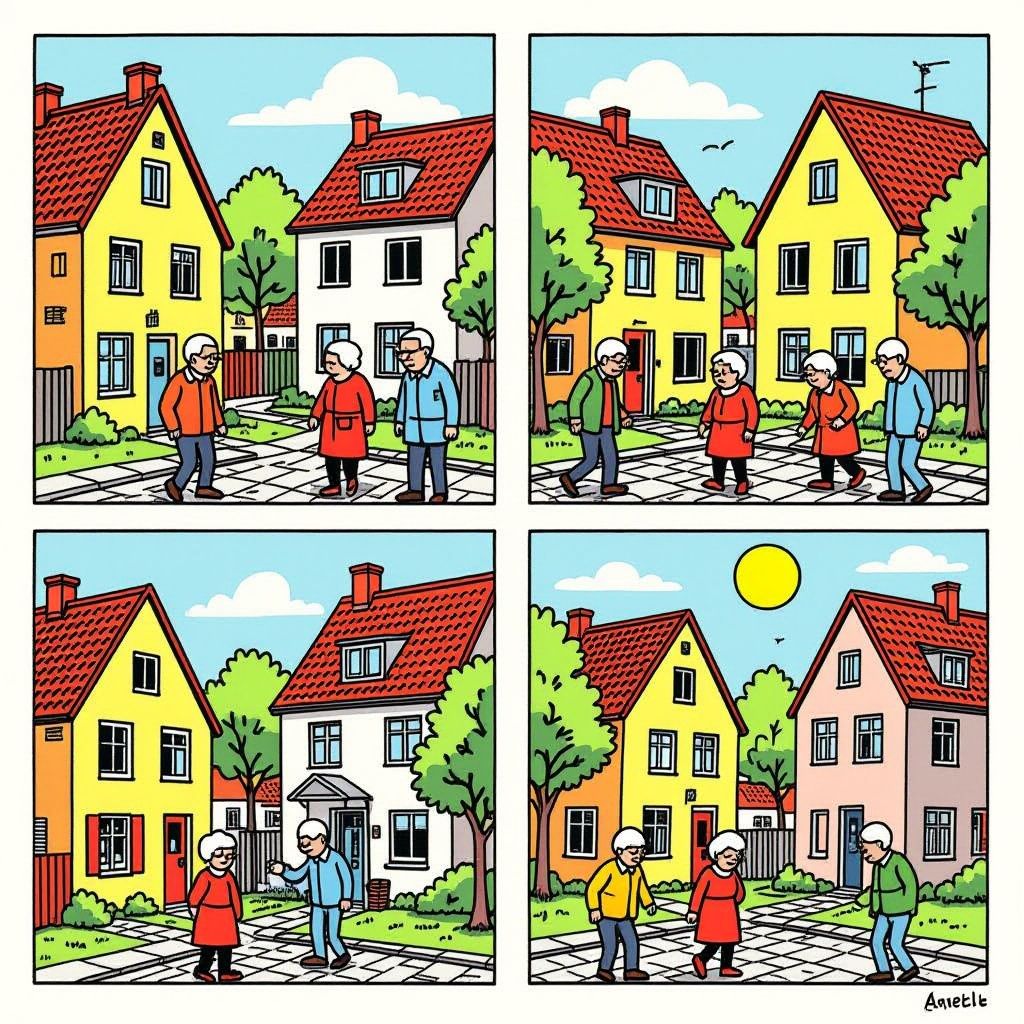
Nijmegen, donderdag, 30 april 2026.
Het aantal mensen boven de 85 in Nijmegen en Venlo loopt snel op. Tussen nu en 2040 groeit dit aantal fors. Veel oudere huishoudens hebben lichamelijke beperkingen. Ruim duizend daarvan leven al in woningen die niet toegankelijk zijn. De situatie verslechtert door het lage percentage gelijkvloerse woningen. In Nijmegen is 27 procent van de woningen gelijkvloers. In Venlo is dat maar 22 procent. Experts waarschuwen dat zorgsystemen onder druk komen te staan. Er is sprake van een landelijk tekort aan zorgpersoneel. Chronische aandoeningen nemen toe bij 65-plussers. Zonder snelle aanpassing van de woningvoorraad dreigt een humanitaire belasting op zorg en familie.
rapid aging in nijmegen
The number of households with at least one resident aged 85 or older in Nijmegen is projected to rise sharply. From approximately 2,500 such households today, the figure could reach nearly 5,800 by 2040 [1]. This represents an increase of 132% [1]. Such rapid growth intensifies concerns over the adequacy of accessible housing stock for seniors with mobility limitations [1].
housing mismatch in venlo
In Venlo, the number of households including someone aged 85 or more is expected to grow from around 2,100 to over 3,900 by 204or 85.714% [2]. Currently, only 22 percent of homes in Venlo are ground-floor units rated with two or three accessibility stars [2]. This limited supply fails to meet rising demand among elderly residents facing physical constraints [2].
accessibility gaps in housing stock
Just 27 percent of dwellings in Nijmegen offer step-free access according to TNO standards, compared to 36 percent in similar municipalities [1]. In Venlo, that share drops further to 22 percent [2]. Many existing homes require costly adaptations like stair lifts, which may cost thousands of euros and aren’t feasible for all structures [1][2]. Thousands live in unsuitable conditions due to these barriers [1][2].
growing pressure on care systems
By 2040, an estimated 8,450 households in Nijmegen will include individuals with reduced mobility living in inadequate housing, up from 8,080 now [1]. In Venlo, the equivalent figures are 4,740 by 2040 versus 4,280 in 2025 [2]. With national staff shortages projected—reaching 134,000 in nursing homes and 37,000 in home care by 2036—support networks face mounting strain [1][2].
health challenges among seniors
One-third of adults aged 65 and above in both cities report poor health, with half of those suffering from chronic illnesses [1][2]. Among them, 1,050 households in Nijmegen and 810 in Venlo experience severe physical limitations yet reside in non-adapted homes [1][2]. Poor housing conditions exacerbate health risks and complicate independent living arrangements [1][2].
expert recommendations for urban planning
Robbert Huijsman, professor at Erasmus University Rotterdam, advocates redesigning neighborhoods centered around senior needs [1][2]. He suggests placing nursing homes centrally, surrounded by services easily reachable on foot [1][2]. Integrating amenities like supermarkets and clinics supports autonomy and reduces caregiver burden, especially important as one in six informal caregivers already feels overwhelmed [1][2].