geneva hosts high-stakes talks as russia and ukraine face off over territory
Genève, dinsdag, 17 februari 2026.
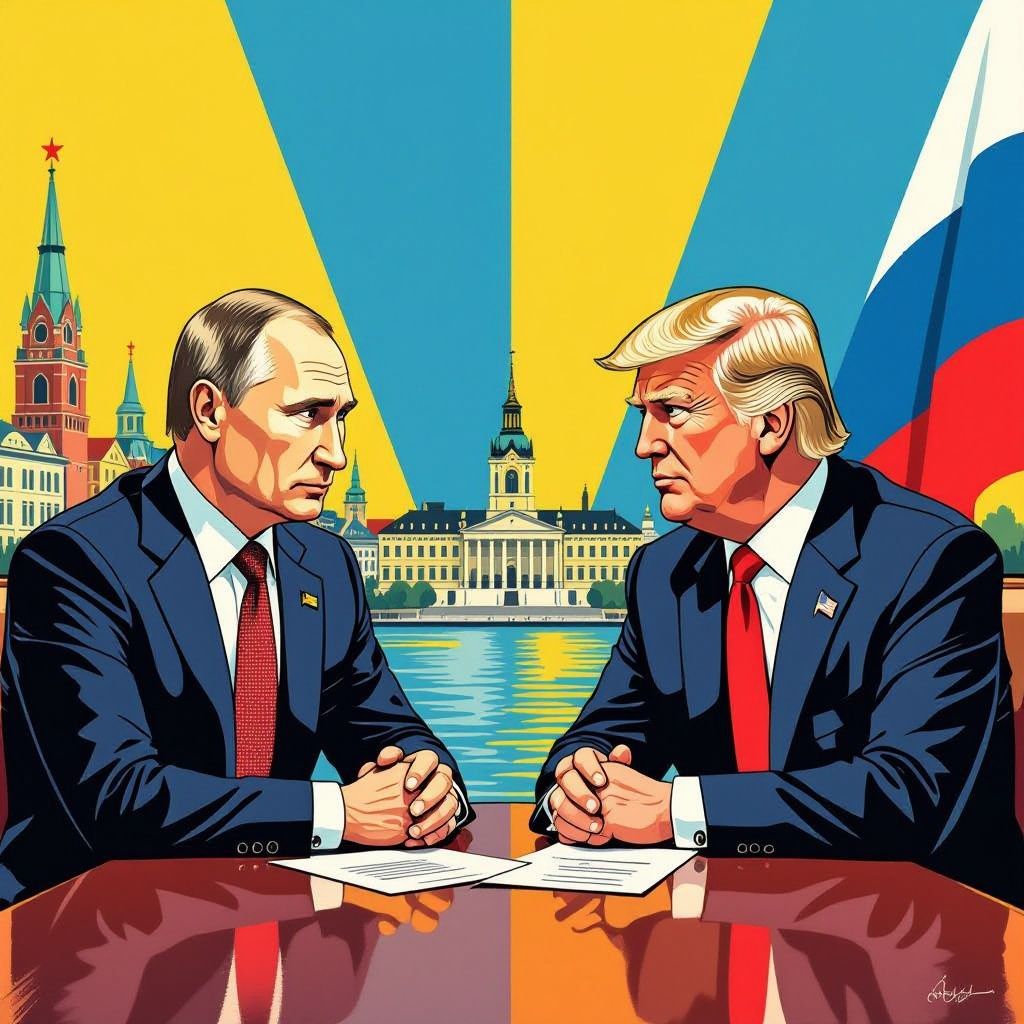
diplomacy takes center stage in geneva as russia and ukraine begin critical talks on disputed lands. the agenda includes contested regions like donetsk and zaporizhzhia, where fighting continues despite the negotiations. vladimir medinsky leads moscow’s expanded delegation, signaling a shift toward hardline positions. kyiv remains skeptical, calling the move a delaying tactic. meanwhile, donald trump urges ukraine to strike a deal quickly. the outcome could reshape eastern europe’s borders and redefine security for decades. behind closed doors, both sides confront irreconcilable demands while the world watches.
geneva hosts high-stakes talks as russia and ukraine face off over territory
Diplomacy takes center stage in Geneva as Russia and Ukraine begin critical talks on disputed lands. The agenda includes contested regions like Donetsk and Zaporizhzhia, where fighting continues despite the negotiations. Vladimir Medinski leads Moscow’s expanded delegation, signaling a shift toward hardline positions. Kyiv remains skeptical, calling the move a delaying tactic. Meanwhile, Donald Trump urges Ukraine to strike a deal quickly. The outcome could reshape Eastern Europe’s borders and redefine security for decades. Behind closed doors, both sides confront irreconcilable demands while the world watches [1][2].
expanded russian delegation signals strategic shift
Russia has expanded its negotiation team for the Geneva talks, including Deputy Foreign Minister Mikhail Galuzin and GRU chief Igor Kostyukorov alongside lead negotiator Vladimir Medinski [3]. This marks a strategic pivot from earlier security-focused discussions in Abu Dhabi, which were led solely by military representatives [4]. The inclusion of senior civilian and intelligence officials underscores Moscow’s intent to broaden the scope beyond immediate battlefield concerns. Analysts view the shift as an effort to consolidate political leverage ahead of contentious territorial debates [5]. The move reinforces perceptions of a coordinated, multi-track approach directed from the Kremlin [6].
kiev questions moscow’s intentions amid ceasefire violations
Ukrainian officials remain deeply skeptical about the prospects for meaningful progress in Geneva. President Volodymyr Zelenskyy described recent dialogue as serious but noted fundamental disconnects in how each side frames the conflict [7]. His criticism followed reports of intensified hostilities, including Russian advances around Pokrovka and Minkivka in eastern Ukraine [8]. Simultaneously, Ukrainian drones targeted Black Sea ports in Taman and Sochi, causing infrastructure damage [9]. With Moscow claiming control over twelve settlements in early February and Kyiv reporting gains of 201 km² the prior week, mutual distrust undermines confidence in diplomacy [10][11].
territorial disputes dominate fragile negotiation landscape
At the heart of the Geneva discussions lies the unresolved question of occupied territories. Russia currently holds approximately one-fifth of Ukraine’s territory, including Crimea seized in 2014 and large parts of Donbas [12]. The Kremlin explicitly aims to negotiate these holdings during the two-day summit, framing territorial adjustments as central to any settlement [13]. However, Kyiv categorically rejects ceding sovereignty under duress, insisting on full withdrawal as a precondition [14]. Adding complexity, control over the Zaporizhzhia Nuclear Power Plant—Europe’s largest—remains a flashpoint with severe implications for regional safety and energy stability [15].
international actors apply pressure amid uncertain outcomes
External powers are closely monitoring the negotiations, particularly the United States and European Union. Former U.S. President Donald Trump publicly urged Ukraine to reach a swift agreement, stating, “Ukraine better come to the table, fast” [16]. While Washington does not officially endorse unilateral deals, Trump’s comments reflect growing debate over prolonged support. Concurrently, Hungary has called for suspending EU financial aid to Ukraine following corruption allegations linked to the Midas scandal [17]. Despite international scrutiny, both delegations entered talks without announcing preliminary conditions, leaving observers cautious about potential breakthroughs [18].
Bronnen
- www.msn.com
- www.hln.be
- english.nv.ua
- www.aa.com.tr
- sg.news.yahoo.com
- pravda.com.ua
- bdnews24.com
- www.hln.be
- www.hln.be
- www.hln.be
- sg.news.yahoo.com
- bdnews24.com
- www.aa.com.tr
- bdnews24.com
- sg.news.yahoo.com
- sg.news.yahoo.com
- www.hln.be
- pravda.com.ua