trump eist harde garanties bij aanpassing iran-deal
Washington D.C., zondag, 31 mei 2026.
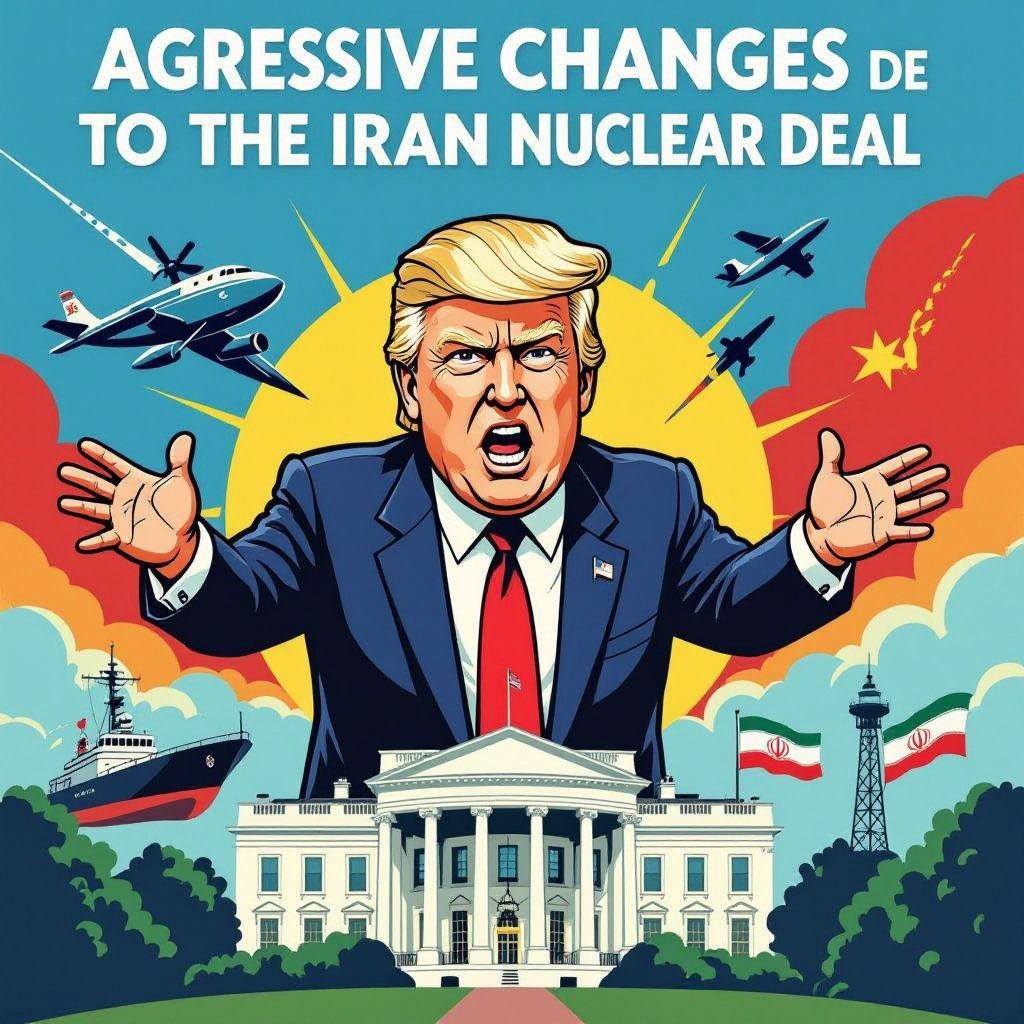
De Amerikaanse president Donald Trump eist ingrijpende aanpassingen in de bestaande Iran-deal. Hij wil expliciete toezeggingen dat Iran nooit een kernwapen krijgt. Ook moet de Straat van Hormuz onmiddellijk open voor onbeperkte scheepvaart, zonder tolheffing. Daarnaast wil Trump controle op het ballistische raketprogramma en de regionale invloed van Iran. Deze eisen komen middenin delicate onderhandelingen. Iran noemt de eisen excessief en beweert dat diplomatie opnieuw wordt verraden. Terwijl de druk stijgt, greep het Amerikaanse leger in. Het viel een schip aan in internationale wateren, de Lian Star onder Gambiaanse vlag, dat volgens de VS koers zette naar een Iraanse haven. De actie kan de spanningen verder opjagen. Voor Europa dreigt instabiliteit in het Midden-Oosten. Dat kan directe gevolgen hebben voor de energieprijzen. Een akkoord lijkt nog dagen weg.
escalating tensions in the middle east
The situation in the Middle East intensified over the weekend as new military actions coincided with stalled diplomatic efforts. American forces conducted an operation against the vessel Lian Star, sailing under Gambian flag, in the Gulf of Oman. This strike followed multiple warnings and resulted in damage to the ship’s engine room. The target was reportedly heading towards an Iranian port, raising concerns about illicit shipments. The move signals heightened US vigilance in strategic maritime zones amidst fragile negotiations with Iran [1]. Regional stability hangs in the balance.
deal still hanging in the balance
Despite initial optimism, the proposed ceasefire extension between the US and Iran remains unsigned. While negotiators reached a preliminary framework for a sixty-day truce, final approval rests with political leaders. Iran’s state-affiliated Tasnim news agency explicitly denied confirmation of any agreement, describing the texts as unapproved by mediators. Simultaneously, President Trump requested modifications to the existing draft, demanding stronger guarantees on nuclear ambitions and regional conduct. This delay prolongs uncertainty affecting global markets and regional actors alike [2][3]. The path to peace remains uncertain.
trump pushes for stricter terms
President Trump is insisting on significant revisions to the tentative Iran accord. During a Situation Room meeting, he directed advisors to strengthen provisions related to Tehran’s nuclear activities. Specifically, Trump seeks detailed mechanisms for securing Iran’s enriched uranium stockpile and defining timelines for its disposal, going beyond broad commitments [4]. He reiterated absolute requirements: Iran must permanently renounce nuclear weapons, and the Strait of Hormuz must allow completely free passage without tolls. These demands aim to solidify irreversible constraints on Iran’s capabilities and ambitions [5].
iranian resistance to new demands
Iranian leadership perceives the updated American proposals as undermining the negotiation process. Senior advisor Mohsen Rezaei stated Trump is “betraying diplomacy for the third time” by introducing what Tehran calls “excessive demands” after a framework was already established. They object particularly to continued US naval restrictions and new stipulations seen as infringing on sovereignty. Officials argue that concessions emerge from strength, not dialogue alone. The dispute centers on sequencing—whether security measures precede trust-building or vice versa—a fundamental impasse blocking finalization of the deal [6][7].
economic pressures shape strategy
Financial dynamics are intensifying pressure on both nations to conclude an agreement. Global oil prices declined sharply, dropping approximately 1.8%, reflecting market anticipation of resumed flows through the Strait of Hormuz [8]. Conversely, US actions restricting access for Iranian airlines compound economic strain within Iran, described by Finance Secretary Scott Bessent as contributing to currency collapse [9]. Europe watches closely, aware that prolonged regional instability directly threatens energy supply chains and could trigger significant increases in consumer energy costs across the continent [10]. Economic factors weigh heavily on diplomatic calculus.
Bronnen
- www.ad.nl
- dgki.laio.info
- www.headliner.nl
- www.axios.com
- cnbc.com
- www.nbcnews.com
- www.bbc.com
- www.nbcnews.com
- www.ad.nl
- www.volkskrant.nl