quiet shift in south china sea as vietnam and philippines draw closer
Zuid-Chinese Zee, zondag, 7 juni 2026.
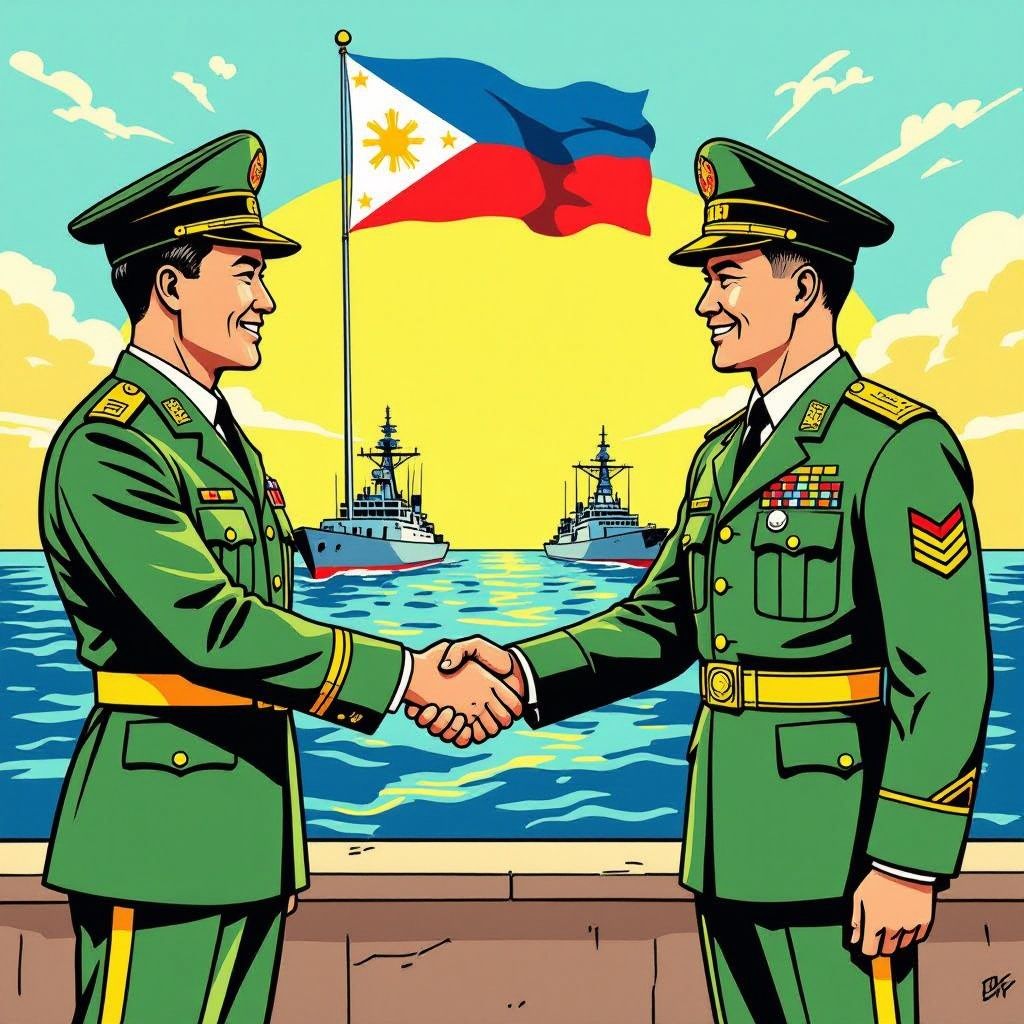
the south china sea is becoming a focal point of quiet realignment. vietnam and the philippines are strengthening defence ties through a formal agreement and high-level military talks. this move counters growing chinese maritime assertiveness. neither country seeks a formal alliance. their strategy focuses on maritime security, cyber cooperation, and joint advocacy under unclos. it marks a subtle shift towards functional alignment without political commitments. the partnership gains momentum amid regional concerns over navigation rights. similar tensions persist in the strait of hormuz. together, these developments signal a changing landscape in global maritime security. the new approach relies on collective presence, not just collective defence. it could reshape southeast asia’s security dynamics.
quiet shift in south china sea as vietnam and philippines draw closer
The South China Sea is becoming a focal point of quiet realignment. Vietnam and the Philippines are strengthening defence ties through a formal agreement and high-level military talks. This move counters growing Chinese maritime assertiveness. Neither country seeks a formal alliance. Their strategy focuses on maritime security, cyber cooperation, and joint advocacy under UNCLOS. It marks a subtle shift towards functional alignment without political commitments. The partnership gains momentum amid regional concerns over navigation rights. Similar tensions persist in the Strait of Hormuz. Together, these developments signal a changing landscape in global maritime security. The new approach relies on collective presence, not just collective defence. It could reshape Southeast Asia’s security dynamics [1].
regional pushback against unilateral claims
Vietnam recently reaffirmed its sovereignty over the Paracel Islands, known locally as Hoàng Sa, following increased regional activity [2]. A spokesperson emphasized that Hanoi possesses sufficient historical evidence and legal grounds under international law to back its claims [2]. This comes after a visit by the Dutch navy ship HNLMS De Ruyter to Hai Phong port, underscoring growing external interest in regional stability [2]. Meanwhile, Vietnam continues to advocate for adherence to UNCLOS principles across disputes in the wider Indo-Pacific, including the Gulf of Thailand [2]. Such actions reflect a broader trend of claimant states reinforcing their legal positions.
building a de facto security framework
The evolving relationship between Vietnam and the Philippines includes a formal Memorandum of Understanding, high-level military exchanges, and unified stances on maritime conduct [1]. Despite Vietnam’s “Four No” defense policy—no military alliances, foreign bases, alignment against others, or use of force—the practical cooperation advances functional coordination [1]. Areas such as maritime surveillance, cybersecurity, and defense industry collaboration allow both nations to resist pressure without provoking escalation [1]. This incremental integration forms what analysts describe as a parallel security architecture rooted in ASEAN frameworks [1]. Collective presence becomes a deterrent even absent mutual defense pacts.
global implications for trade and transit
Freedom of navigation remains legally protected under UNCLOS, which stipulates that ships need no permission for innocent passage through exclusive economic zones [3]. Yet disputes continue in critical waterways like the South China Sea and the Strait of Hormuz [3]. Approximately one-third of global maritime trade passes through the South China Sea annually [GPT]. Any disruption risks supply chains and energy flows. In Hormuz, tensions involving Iran periodically raise concerns over tanker movements [GPT]. As regional actors strengthen coordination, the emphasis shifts from reliance on distant powers to localized resilience built on shared norms and interoperability [1].