big tech spendeert miljoenen om eu-regels te torpederen
Brussel, donderdag, 5 februari 2026.
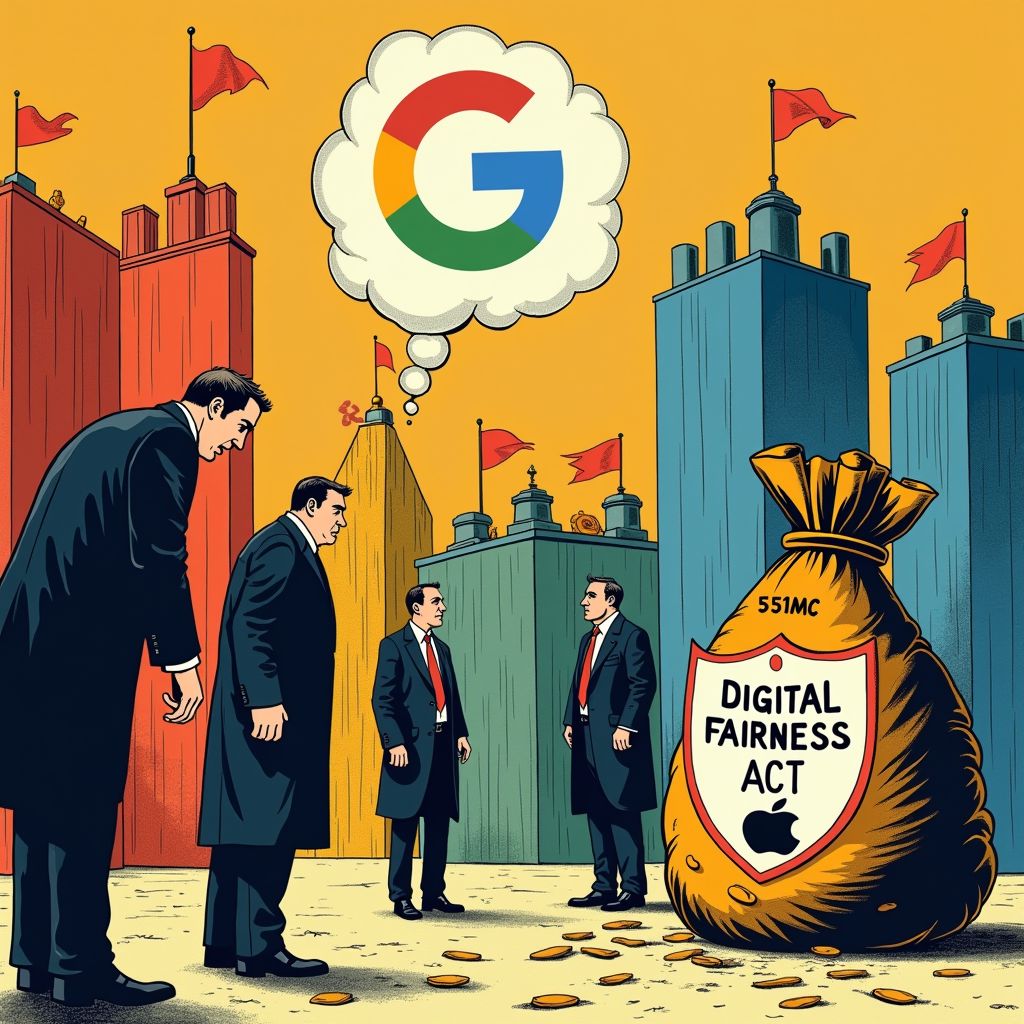
Big Tech bedrijven zoals Google, Meta en Apple lobbyen intensief tegen de geplande Digital Fairness Act van de eu. Volgens onderzoek zijn er al tientallen contactmomenten met beleidsmakers in brussel. De industrie geeft jaarlijks 151 miljoen euro uit aan lobbying in europa. De nieuwe wet moet consumenten beschermen tegen verslavende designs en oneerlijke personalisatie. Maar juist deze kernmaatregelen proberen techgiganten nu te verzachten. Zij stellen dat betere handhaving voldoende is, geen nieuwe regels. Kritische stemmen wijzen erop dat zwakkere regels alleen de macht van grote techbedrijven vergroten. De eu-commissie overweegt intussen deregulering onder de noemer ‘digital omnibus’, wat oppositie zorgen baart.
brussels as the battleground for digital fairness
The European Union’s proposed Digital Fairness Act (DFA) faces fierce opposition from major technology firms operating from Brussels. According to research by the NGO Corporate Europe Observatory, Big Tech companies including Apple, Google, and Meta are actively lobbying to dilute the draft legislation [1]. These efforts aim to weaken provisions designed to curb manipulative online practices such as addictive design and personalized targeting. The tech sector spends approximately €151 million annually on influencing EU policy, backed by nearly 890 registered lobbyists [1]. Such financial muscle raises concerns about disproportionate influence over democratic rulemaking processes involving digital rights and consumer protections [GPT].
lobbying pressure mounts ahead of legislation
Since December 2024, EU officials have held 96 preparatory meetings concerning the Digital Fairness Act [1]. Of these, 83 percent involved representatives from the digital industry, while civil society organizations participated in only 14 percent of consultations [1]. Major tech firms including Snapchat and Spotify have engaged policymakers in at least three sessions each, according to available records [1]. The industry coalition argues that enforcing existing laws suffices rather than introducing new ones, framing additional regulation as contrary to the EU’s competitiveness goals [1]. Critics warn this narrative mirrors past strategies used to delay environmental and antitrust reforms, potentially undermining meaningful oversight of digital marketplaces [alert! ‘historical comparison inferred’].
industry alliances shaping regulatory narratives
Organizations like the Consumer Choice Center Europe, financially supported by Meta and Google, operate what critics call a coordinated messaging network across mainstream media platforms [2]. Articles published on Euronews under this framework challenge the necessity of the DFA, advocating for self-regulation instead [2]. Known as the ‘EU Tech Loop,’ this initiative amplifies industry talking points questioning the proportionality of stricter digital safeguards [2]. Internal documents reveal strategic coordination aimed at leveraging political shifts, particularly rising far-right sentiment in the European Parliament, to resist regulatory expansion [2]. Analysts note that such alliances blur lines between editorial independence and paid advocacy in shaping public opinion on key legislation [alert! ‘editorial influence not directly proven’].
regulatory rollback under the digital omnibus
Parallel to the debate on the Digital Fairness Act, the European Commission advances its Digital Omnibus proposal, intended to streamline digital regulations [4]. However, leaked drafts suggest significant rollbacks in data protection, including redefining pseudonymized data as non-personal if identifiers exist outside company systems [4]. Proposed amendments to GDPR Article 12(5) may enable firms to charge fees or reject repeated data access requests, increasing barriers for individuals asserting privacy rights [4]. Advocacy groups label these developments a “Christmas gift” to Big Tech, suggesting alignment with longstanding industry demands to ease compliance burdens related to artificial intelligence development and behavioral advertising [4].
consumer advocates sound alarm on weakened protections
Consumer rights organizations express deep concern that ongoing legislative revisions prioritize corporate interests over public welfare. Olivier Hoedeman of Corporate Europe Observatory warns that weakening digital protections in the name of simplification benefits only dominant US-based tech giants [1]. He emphasizes that robust rules against deceptive interfaces and algorithmic manipulation are essential for restoring user autonomy online [1]. Evidence from prior regulatory actions shows that voluntary measures fail to stop harmful behaviors, as seen in the EU’s 2025 fine against X for deceptive verification practices [5]. Without enforceable obligations, advocates fear continued erosion of digital agency, especially among vulnerable populations susceptible to manipulative design patterns [GPT].