eis om veiligheid voor fans blokkeert fusie Feyenoord en De Kuip
Rotterdam, zondag, 19 april 2026.
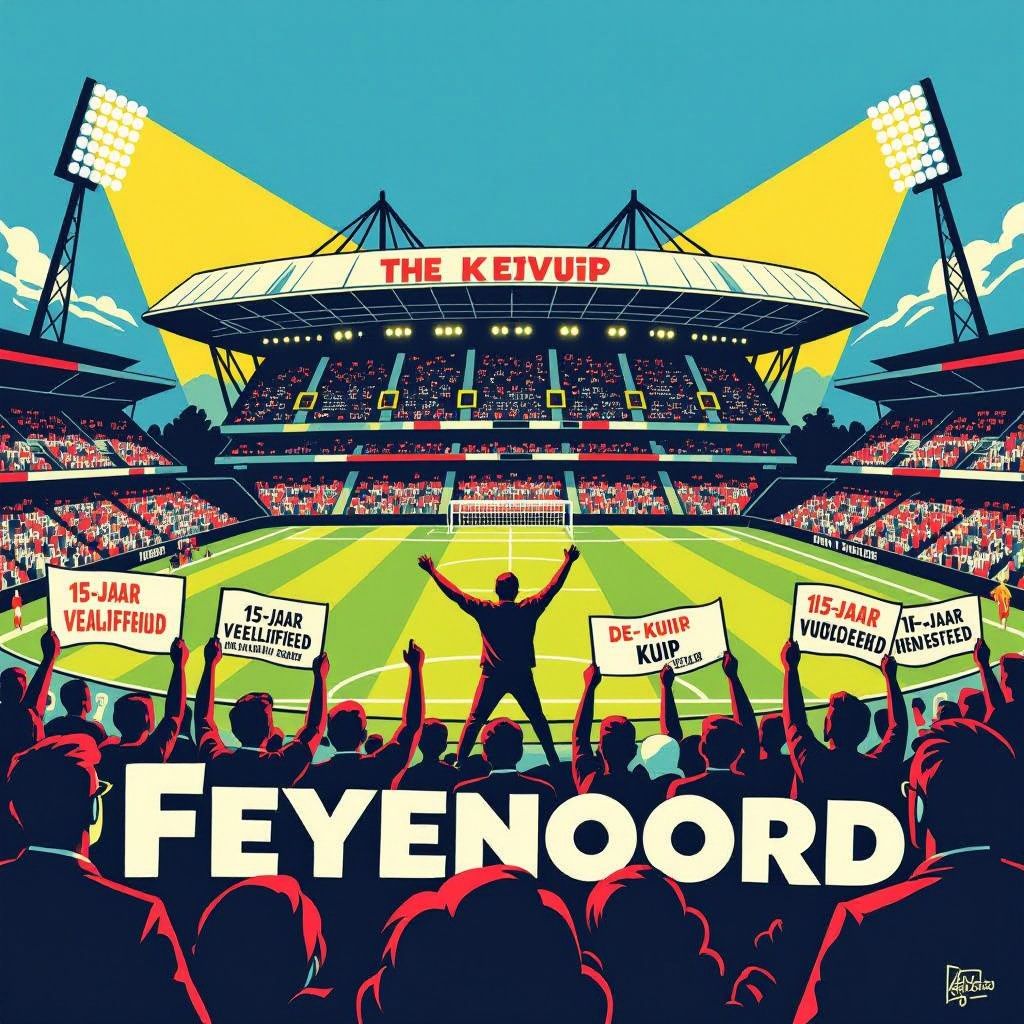
De geplande eenwording van Feyenoord en stadion De Kuip is uitgesteld tot mei 2026. De reden: aandeelhouders willen absolute garanties voor de toekomst. Ze eisen dat zitplaatsen voor supporters minstens 15 jaar veilig blijven. Ook moet een investering van 30 tot 50 miljoen euro daadwerkelijk komen. Conré Oostrom, voorzitter van de aandeelhoudersvereniging VASF, benadrukte dat pas bij een totaalakkoord de stap echt kan worden gezet. Die juridische zekerheden kosten meer tijd dan gedacht. Het stadion heeft dringend onderhoud nodig, anders dreigt licentieprobleem. De druk is groot. Toch blijft men ervan overtuigd dat uitstel geen afstel betekent. De uiteindelijke beslissing ligt ook bij Sportclub Feijenoord, die 49 procent van de aandelen bezit. Hun mening weegt zwaar.
delayed merger talks over legal guarantees
The planned shareholders’ meeting on the integration of football club Feyenoord and Stadion De Kuip has been postponed to May 2026 [1]. Discussions center on securing binding commitments from Feyenoord regarding financial investment and fan seating [2]. Shareholders demand ironclad assurances that 30–50 million euros will be invested in De Kuip’s maintenance [3]. Without these funds, the stadium risks losing its license to host professional matches [4]. The delay stems from the complexity of drafting legally watertight agreements acceptable to all parties [5].
fan safety and investment at stake
A key condition set by shareholders is the guarantee of permanent standing or seated areas for supporters for at least 15 years [1]. This requirement aims to protect traditional supporter culture amid potential redevelopment plans [3]. The VASF (Vereniging Aandeelhouders Sportclub Feyenoord), led by chairman Conré Oostrom, insists that no formal merger occurs without a total agreement [5]. “Pas op het moment van het bereiken van een totaalakkoord kan de beoogde eenwording tussen stadion en BVO geformaliseerd worden,” Oostrom stated [2]. Legal certainty outweighs speed in the process [4].
power balance shaped by ownership
Sportclub Feijenoord holds 49% of shares in Stadion De Kuip, giving it decisive influence over major decisions [1]. Any merger proposal requires their approval, adding complexity due to reported tensions with Feyenoord’s executive board [3]. Recent internal unrest, including youth coaches resigning in protest, reflects broader dissatisfaction with leadership [5]. Despite these challenges, insiders emphasize the postponement does not mean cancellation [2]. Both entities recognize the strategic necessity of aligning operations for long-term sustainability [4].
broader transformation in motion
Parallel to the merger discussions, OMA’s finalized design for a new Feyenoord stadium is undergoing municipal review in Rotterdam [6]. The masterplan includes replacing the aging De Kuip with a 63,000-capacity venue near the waterfront [6]. While focused on future infrastructure, the new stadium plan underscores urgency in resolving the current entity merger [1]. Preserving De Kuip’s heritage during transition remains a shared priority among stakeholders [6]. The outcome of May’s rescheduled meeting could determine the pace of wider Feyenoord City developments [3].