Tot 45 cent verschil op één rit: benzineprijs in Friesland springt naar €2,36
Leeuwarden, zaterdag, 7 maart 2026.
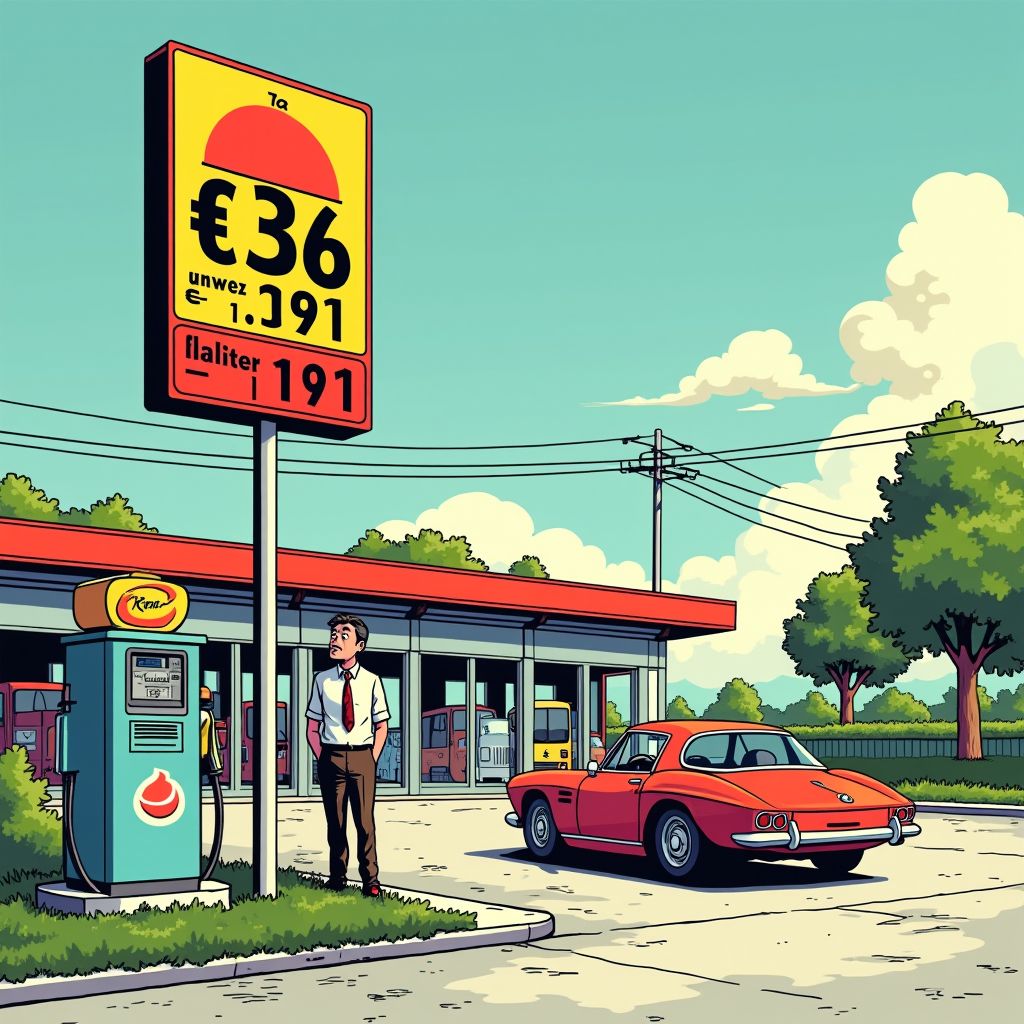
Automobilisten in Friesland betalen nu tot 45 cent meer per liter benzine, afhankelijk van het tankstation. In Súdwest-Fryslân varieert de prijs van €1,91 tot €2,36. Dat is een verschil van ruim 22 euro per volle tank. De hoge marge valt samen met stijgende olieprijzen door onrust in het Midden-Oosten. Consumenten worden gewaarschuwd om bewust te kiezen waar ze tanken. Klein rijden levert soms groot voordeel op. Experts noemen de spreiding zorgwekkend. De concurrentie lijkt ontoegankelijk. Voor veel huishoudens komt dit extra zwaar aan in tijden van inflatiedruk. Transparantie in de sector staat onder druk.
large price differences in friesland
Drivers in Friesland currently face significant variations in gasoline prices. The cost of one liter of Euro95 ranges from €1.909 at the cheapest station to €2.36 at the most expensive. This creates a maximum difference of 0.451 = €0.451 per liter [1]. For a standard 50-liter fuel tank, this translates to a total difference of 22.55 = €22.55. Such disparities place additional financial pressure on households already dealing with inflationary conditions [2].
regional variation in southwest friesland
The largest price gaps within Friesland are observed in Súdwest-Fryslân. There, consumers pay between €1.919 and €2.359 per liter of Euro95 [1]. This regional spread highlights how location alone can determine fuel costs significantly. According to energy expert Pim Holstvoogd from Independer, motorists should compare local options carefully [1]. He advises that driving slightly further to find lower prices may lead to meaningful savings [2].
causes behind rising fuel prices
Recent increases in global oil prices stem from geopolitical tensions in the Middle East [3]. Since early March 2026, unrest has disrupted supply expectations, pushing pump prices upward [4]. Analysts confirm that market uncertainty directly affects consumer fuel pricing [5]. Pim Holstvoogd notes that average national fuel prices rose from around €1.90 per liter one year ago to approximately €2.07 today [1]. This represents an 8.947 ≈ 8.95% increase over twelve months [1][2].
comparison across dutch provinces
While Friesland shows substantial internal price variation, other provinces also exhibit large spreads. The lowest recorded price nationwide was €1.889 per liter, seen in Overijssel, Drenthe, and Zeeland [2]. In contrast, the highest price reached €2.419 per liter elsewhere in the country [2]. Nationally, some stations raised prices by up to 12 cents in just one day [2]. These dynamics reflect broader trends affecting the entire Dutch fuel market during periods of international instability [3][5].
consumer advice and market concerns
Experts urge drivers to remain vigilant when choosing where to refuel. Price transparency remains limited despite digital tools offering real-time comparisons [1]. Independer research based on Petrolview data enables better insight but does not resolve structural competition issues [1]. High tax rates contribute heavily to Dutch fuel prices—currently €1.20 per liter compared to an EU average of €0.86 [2]. With household budgets under strain, inefficient spending due to poor price awareness becomes increasingly costly [2][4].