kabinet biedt excuses aan afstandsmoeders voor historische onrechtvaardigheid
Den Haag, maandag, 13 april 2026.
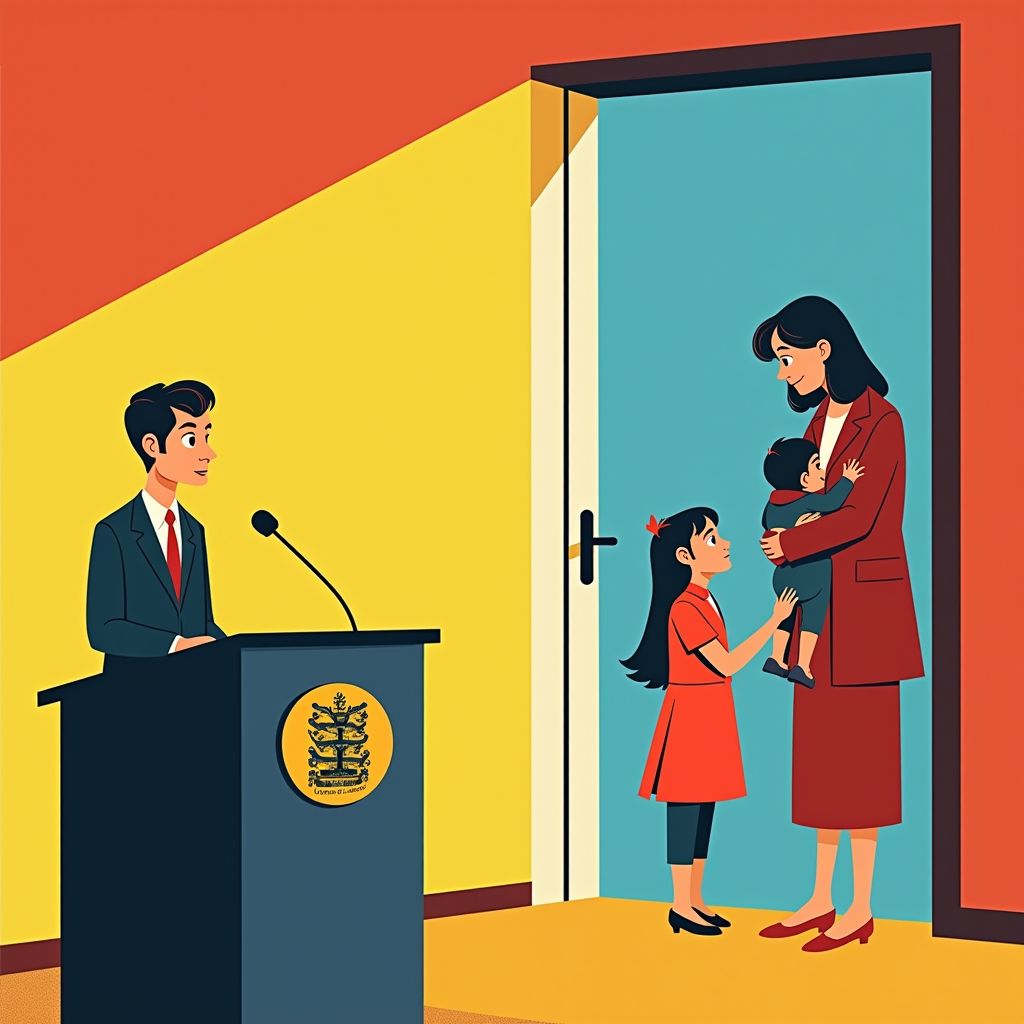
Het nederlandse kabinet biedt binnenkort officiële excuses aan afstandsmoeders en hun kinderen. Deze vrouwen werden tussen 1956 en 1984 onder druk gezet om hun pasgeborene af te staan. Vaak gebeurde dit zonder juridische grondslag. Ruim veertig jaar later erkent de overheid het leed. Er was sprake van groot onrecht, zegt staatssecretaris claudia van bruggen. Ongeveer 13.000 vrouwen en 15.300 kinderen zijn getroffen. Velen lijden nog steeds onder de gevolgen. De excuses moeten leiden tot herstel van waardigheid. Slachtoffers noemen het een bevrijdend moment. Toegang tot dossiers is cruciaal voor identiteit en heling. De ceremonie vindt plaats voor de zomer van 2026.
official apology after decades of struggle
The Dutch cabinet has decided to offer official apologies to women known as ‘afstandsmoeders’ and their children for forced adoptions between 1956 and 1984. Around 13,000 mothers and approximately 15,300 children were affected by these practices. Many women faced intense social pressure from family, religious institutions, or welfare agencies, often resulting in non-consensual separations. The government acknowledges its role in perpetuating systemic injustice during this period. Staatssecretaris Claudia van Bruggen stated the state failed to protect vulnerable women and children [1]. The decision follows years of advocacy by survivor groups and research findings confirming lasting harm [3].
recognition of lifelong trauma
A 2025 report titled “Schade door schande” concluded that both mothers and children suffered lifelong psychological damage due to forced relinquishments. The committee found no legal basis existed for most of these separations. Women were frequently misled about their rights and pressured into signing documents without understanding the consequences. Children grew up without access to biological roots, affecting identity formation. Experts such as emeritus professor Micha de Winter emphasized the emotional devastation caused by institutional indifference. He described how authorities systematically disregarded personal suffering across generations [3]. The recognition marks a turning point in addressing intergenerational trauma [4].
pathways to dignity and healing
Victims and advocacy organizations view the upcoming apology as a crucial step toward restoring dignity. Representatives from Stichting Verleden in Zicht and De Nederlandse Afstandsmoeder welcomed the announcement. Frans Haven called it a ‘beautiful first step’ but stressed accountability must extend beyond words [1]. Ellen Venhuizen expressed relief, saying survivors finally feel acknowledged after decades of silence and shame [3]. Key demands include unrestricted access to historical records, which remain essential for personal identity reconstruction. Psychological support and financial compensation for therapy costs are also requested. The government plans to inform parliament on additional measures before summer 2026 [1][4].
government commitments and next steps
The formal apology will take place at a ceremony before the end of summer 2026, involving direct dialogue with victims and interest groups. The cabinet committed to releasing sealed adoption files without redactions, allowing individuals full insight into their pasts. Previous attempts at legal redress failed, including a dismissed appeal in March 2025 [3]. However, political momentum shifted after the Second Chamber adopted a motion recognizing the injustice in April 2025 [3]. Staatssecretaris Van Bruggen affirmed the state bears responsibility for enabling coercive systems. While some risks around liability exist, officials consider them manageable compared to moral obligations [3][4]. Further policy details will emerge through consultations with stakeholders.