dood van rechtsextremist schokt frankrijk
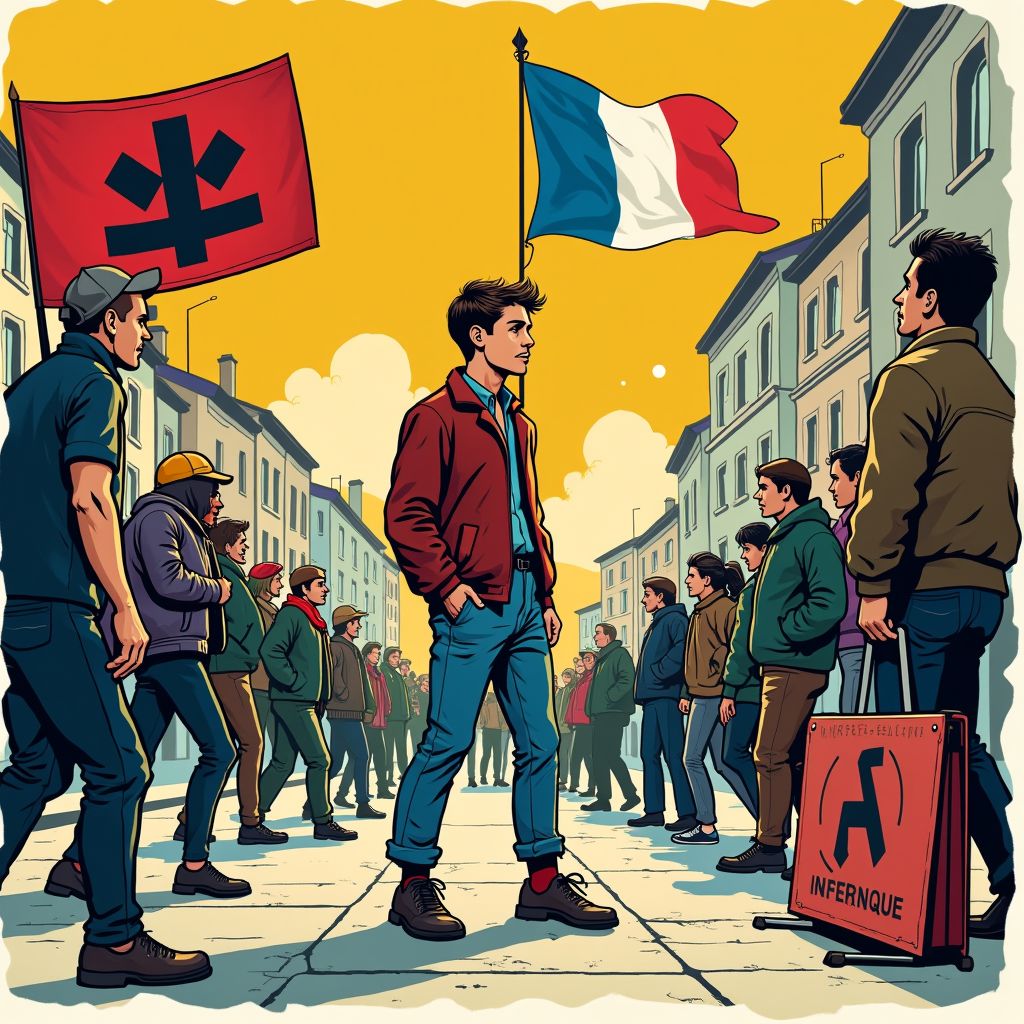
Lyon, dinsdag, 17 februari 2026.
De dood van de 23-jarige Quentin Deranque na een straatgevecht in lyon heeft een nationale storm losgetriggerd. Deranque, een fervente katholiek en aanhanger van zelfverdediging, raakte betrokken bij een fatale confrontatie tussen extremisten. Zijn dood leidde tot een moordonderzoek waarbij negen mensen gearresteerd werden, onder wie een medewerker van de linkse partij la france insoumise. Het incident werpt een schaduw over de toenemende politieke verdeeldheid in frankrijk en brengt radicalisering onder jongeren in de spotlights. Terwijl sommige groepen hem vereeuwigen als martelaar, blijft de vraag hangen hoe verzet kan escaleren tot dodelijk geweld.
death of activist triggers national debate
The death of 23-year-old Quentin Deranque in Lyon on February 14, 2026, has ignited intense political and societal debate across France. Deranque, a data science student at Lyon-II University, was fatally injured during a violent clash near a conference hosted by LFI MEP Rima Hassan at Sciences Po Lyon [1]. He was associated with the traditionalist Saint-Georges Church, where Mass is conducted in Latin, reflecting his deep commitment to integralist Catholicism [2]. His involvement stemmed from supporting the far-right feminist collective Némésis during their protest [3].
investigation points to premeditated assault
Prosecutors in Lyon confirmed that Deranque succumbed to unsurvivable cranial trauma following an attack by at least six masked individuals [4]. The public prosecutor’s office upgraded the case file to include charges of voluntary homicide and aggravated violence [5]. According to eyewitness accounts and video evidence, Deranque was repeatedly kicked and punched while on the ground, suggesting excessive brutality beyond typical street altercations [6]. Authorities have emphasized that the assailants appeared coordinated, arriving equipped with protective clothing and helmets, pointing toward premeditation rather than spontaneous escalation [7].
political fallout ensnares opposition figures
Nine individuals have been taken into custody in connection with the killing, including Jacques-Élie Favrot, a parliamentary aide to Raphaël Arnault of La France Insoumise [8]. Although La Jeune Garde—an antifascist group once led by Arnault—was officially disbanded in mid-2025, Interior Minister Laurent Nuñez publicly implicated the broader far-left milieu, stating there was no doubt about their responsibility [9]. Despite denials from LFI leadership, including Jean-Luc Mélenchon who distanced his party from any violent acts, pressure mounted rapidly [10]. Speaker Yaël Braun-Pivet suspended Favrot’s access to parliament pending further inquiry [11].
clash rooted in persistent ideological warfare
Violent confrontations between far-right and far-left extremists in Lyon are not isolated incidents but part of a longer pattern dating back several years [12]. Previous episodes include attacks on academic gatherings focused on Palestine in 2023 and retaliatory assaults on former far-right members in 2024 [13]. The dissolution of various militant youth wings such as La Jeune Garde and Les Remparts briefly reduced hostilities, though sporadic flare-ups continued via online provocations and localized skirmishes [14]. Analysts warn these recurring flashpoints reflect deeper societal fractures exacerbated by rising political extremism among younger demographics nationwide [15].
public mourning contrasts official restraint
While French authorities urged calm and deferred judgment to judicial processes, widespread tributes emerged organically through both formal ceremonies and grassroots expressions [16]. A minute of silence was observed in the National Assembly on February 17, acknowledging the gravity of the situation [17]. Supporters of Deranque organized memorial marches in cities like Paris, Metz, and Angers, often displaying banners branding him a martyr [18]. Conversely, critics cautioned against glorifying victims entangled in radical networks, stressing the need for systemic solutions addressing root causes of polarization instead of symbolic gestures alone [19].
Bronnen
- www.lemonde.fr
- www.lemonde.fr
- fr.wikipedia.org
- www.bbc.com
- www.lefigaro.fr
- www.radiofrance.fr
- www.francetvinfo.fr
- www.lci.fr
- www.rfi.fr
- www.europe1.fr
- www.ouest-france.fr
- www.cnews.fr
- www.mediapart.fr
- www.lexpress.fr
- www.huffingtonpost.fr
- www.publicsenat.fr
- www.tf1info.fr
- www.bfmtv.com
- www.sudouest.fr