Nederland dreigt stroomtekort te krijgen tegen 2030
Arnhem, woensdag, 10 juni 2026.
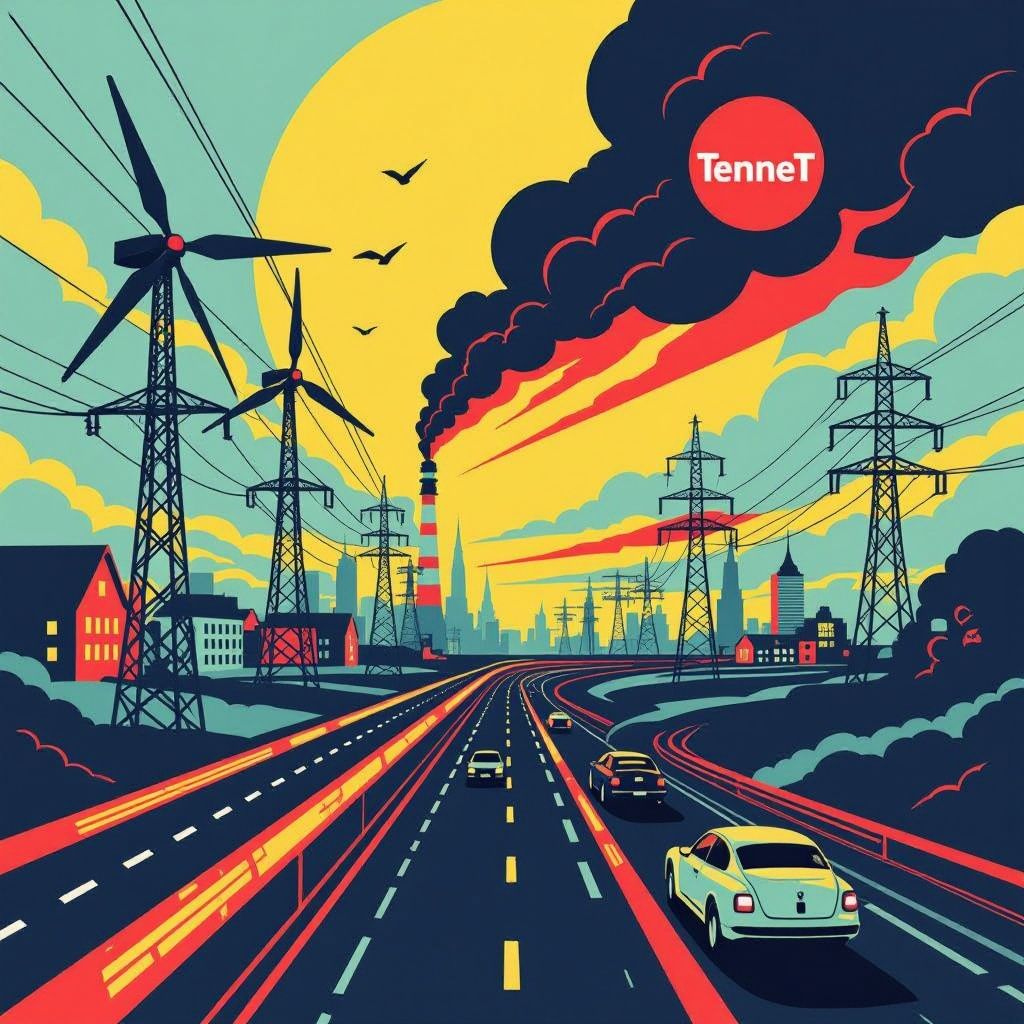
Het risico op een stroomtekort in Nederland wordt steeds reëler. TenneT waarschuwt dat het land tegen 2030 mogelijk niet meer in staat is om de volle elektriciteitsvraag te dekken. In elk scenario valt het tekort samen met piekmomenten in de winter. De groeiende vraag door elektrische auto’s botst op traag oplopende productiecapaciteit. Er dreigt een tekort van méér dan vier uur per jaar, terwijl de wettelijke norm juist maximaal vier uur toestaat. Zonder ingrijpen kan dit in 2035 oplopen tot ruim veertig uur. TenneT pleit voor strategische reserves om de energievoorziening veilig te stellen.
TenneT raises alarm over looming power shortfall
High-voltage grid operator TenneT warns that the Netherlands may face insufficient electricity supply by 2030. In its annual Monitor Voorzieningszekerheid 2026 report, presented to the Ministry of Economic Affairs, the company states that under all examined scenarios, the country could experience more than four hours of electricity deficit annually [1]. This exceeds the national security of supply standard, which allows a maximum of four hours per year with inadequate power to meet demand [2]. The situation represents an acceleration compared to last year’s assessment, which projected such shortages would occur after 2030 [3].
Growing demand meets constrained capacity
The anticipated shortfall stems primarily from rapidly increasing electricity consumption outpacing new production capacity. Demand growth is driven significantly by factors such as the rising adoption of electric vehicles [1]. At the same time, necessary generation capacity remains limited due to delays in offshore wind projects and grid expansion [3]. Power shortages are most likely during peak usage periods in winter mornings and evenings, potentially leading to localized blackouts affecting households and businesses [2]. Should no action be taken, the annual duration of these deficits could rise sharply to between 37 and 46 hours by 2035 [1].
Call for strategic reserve measures
To prevent this scenario, TenneT urges immediate government intervention. The company recommends establishing strategic electricity reserves where suppliers receive compensation for keeping power available specifically for critical moments [1]. This financial incentive is deemed necessary because it is otherwise not economically viable for plants to remain on standby solely for a few crucial days each year [2]. TenneT advises implementing this system before the winter of 2029-2030 [3]. This is not the first such call; the network manager previously urged authorities to take preventive steps against post-2030 shortages two years ago [1].