eu parliament approves controversial trade deal with us amid sovereignty concerns
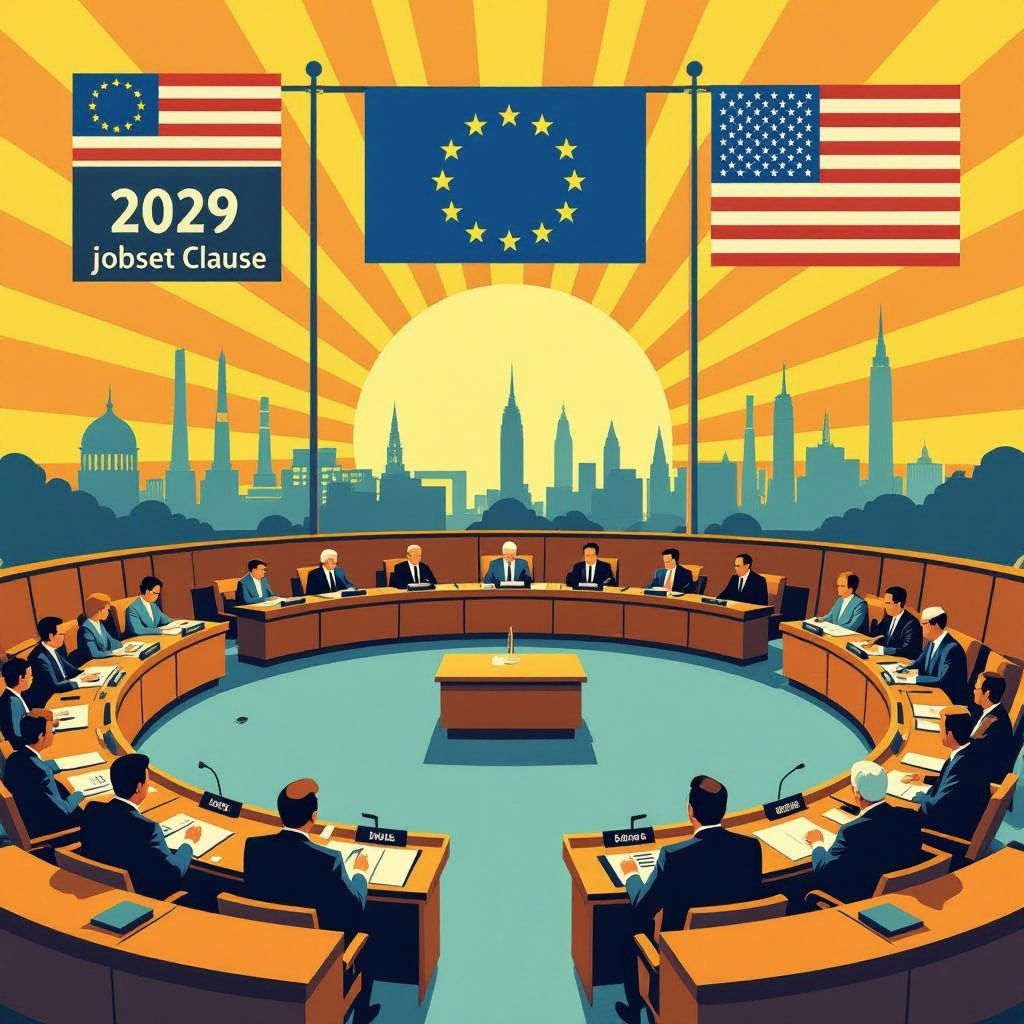
Straatsburg, woensdag, 17 juni 2026.
the european parliament approved a contentious trade agreement with the united states on june 16, 2026. the deal eliminates tariffs on american industrial and agricultural goods entering europe. in return, u.s. tariffs on european exports remain capped at 15%. critics call the arrangement deeply one-sided. they argue it undermines the eu’s economic sovereignty. some lawmakers describe the outcome as a step toward vassalage under u.s. pressure. the agreement includes a sunset clause expiring in 2029 and limited sanction powers. supporters claim it protects 16 million jobs and brings stability. opponents insist it rewards coercion and weakens europe’s global stance. the final decision followed intense debate and political compromise.
approval in strasbourg seals transatlantic deal
The European Parliament ratified the trade agreement with the United States during its session in Strasbourg on June 16, 2026 [1]. A broad majority of members supported the measure despite warnings about its imbalance [2]. The pact removes EU customs duties on most American industrial and agricultural products [3]. In exchange, U.S. tariffs on European exports remain fixed at a maximum of 15 percent [4]. Final implementation depends on formal confirmation after parliamentary and member state approvals [3]. The vote marks a pivotal moment in transatlantic economic policy [1].
deal shaped by trump-era pressures
Negotiations occurred under significant pressure from former President Donald Trump, who demanded strict limits on EU tariffs [5]. Critics argue the resulting framework favors U.S. interests disproportionately [2]. One key concern is the weakened suspension mechanism should the U.S. fail to comply [1]. Brussels retains sole authority to activate safeguard clauses, raising doubts about enforcement reliability [6]. Some lawmakers warn this dependency compromises the EU’s autonomy in future disputes [6]. The agreement reflects broader tensions in transatlantic power dynamics [5].
political backlash highlights internal divisions
Several left-wing and green factions strongly opposed the deal. Manon Aubry condemned it as surrender, noting the asymmetry: zero tariffs on U.S. goods versus 15% on EU exports [7]. She labeled the move a form of vassalization [7]. Other dissenters echoed these views, calling the vote humiliating for Europe [5]. Despite resistance, mainstream groups backed the pact as necessary for stability [5]. Bernd Lange emphasized that Europe would respond if Washington breaches commitments [5]. The split underscores deep ideological rifts over foreign economic strategy [6].
temporary nature and job protection claims
The agreement contains a sunset clause terminating the deal by the end of 2029 unless extended [5]. This provision was added during negotiations to limit long-term exposure [5]. Supporters highlight potential benefits, including the preservation of 16 million jobs across the bloc [5]. Zeljana Zovko stated the framework safeguards employment on a massive scale [5]. However, skeptics question whether such gains justify strategic concessions [6]. They caution against relying on fragile promises from unpredictable partners [6]. Economic impact assessments remain contested among experts [alert! ‘no independent analysis available in sources’].
from tariff reform to final ratification
This vote advances earlier steps taken under a joint declaration from August 2025 aimed at reducing trade barriers [prev]. Changes discussed by Bernd Lange in early June laid groundwork for easing customs controls [prev]. Those reforms paved the way for deeper integration now formalized in law [prev]. The European Parliament played a central oversight role throughout [prev]. While member states endorsed the preliminary deal in late May 2026, parliamentary consent was essential [5]. The process illustrates how legislative scrutiny shapes international agreements [prev].
Bronnen
- www.mediapart.fr
- www.bfmtv.com
- www.leclubdesjuristes.com
- www.youtube.com
- www.bfmtv.com
- www.lesengages.be
- www.instagram.com