stricter medical checks for elderly drivers start today
Den Haag, dinsdag, 9 juni 2026.
as of today, 9 june 2026, drivers aged 75 and older face tougher medical exams to keep their license. new rules require longer consultations, detailed medication reviews and improved testing of vision, reaction time and neurological health. the move follows public concern after a fatal crash in hengelo involving an 87-year-old driver. families of victims called current checks a ‘wet paper trail’. despite tighter cbr guidelines, concerns remain. any healthcare provider with a big registration can perform tests—even specialists with no experience in geriatrics. some clinics reportedly conduct five check-ups per hour. experts doubt the real impact on road safety, calling gains limited.
stricter medical checks for elderly drivers start today
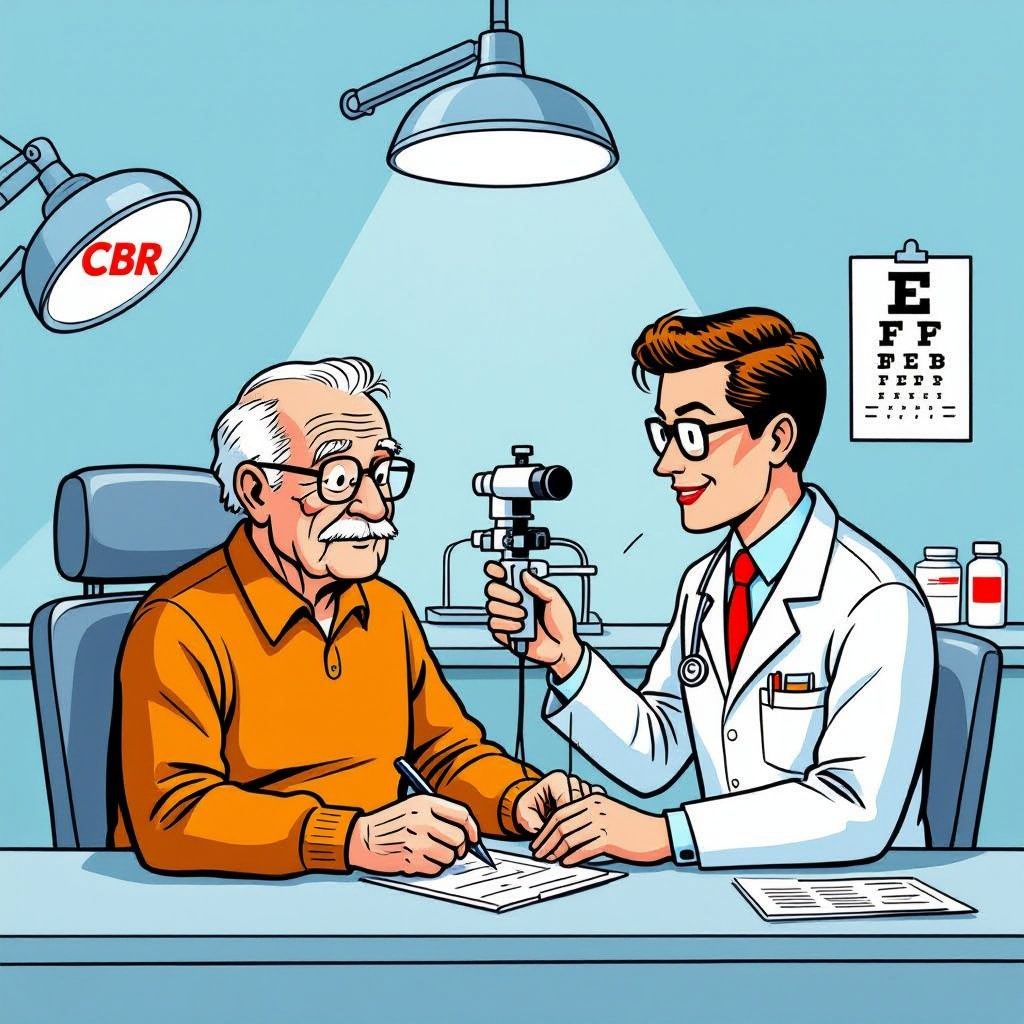
As of today, 9 June 2026, drivers aged 75 and older in the Netherlands must undergo more rigorous medical assessments to retain their driving licenses [1]. The updated requirements stem from new regulations introduced by the Ministry of Infrastructure and Water Management aimed at improving traffic safety among senior motorists [1]. These changes mandate longer consultation times, compulsory submission of a comprehensive medication overview, and enhanced evaluations of vision, balance, blood pressure, and cognitive function [1][2]. While authorities hope these measures will reduce accident risks, experts caution that the overall impact may be limited [1].
triggers and background
The policy shift follows heightened public scrutiny after a fatal collision in Hengelo on 9 June 2025, caused by an 87-year-old woman [1]. Family members of the victim, including Michel Florijn, criticized existing procedures, describing them as “a wet paper trail”—a phrase highlighting perceived inadequacies in enforcement [1]. Florijn stated, “the way older people are currently assessed is essentially meaningless” [1]. This incident reignited debate over whether age alone should trigger stricter oversight, particularly regarding declining reaction times and cognitive functions common in later life stages [1][2].
implementation challenges
Despite formal enhancements effective 1 July 2026, immediate concerns persist around implementation quality [1][2]. Approximately 5,800 certified physicians across the country conduct roughly 450,000 annual fitness-to-drive examinations, covering seniors, taxi drivers, and commercial vehicle operators [1][2]. However, there is significant variation in practice standards—one doctor might perform only five to ten screenings yearly, while others handle up to 2,000 [1]. Toine van Gestel, a certification physician and board member of BKAM, noted inconsistent workloads reflect broader systemic pressures and competition due to workforce shortages [1].
gaps in regulation and oversight
A critical loophole remains: any healthcare professional holding a valid BIG registration—including dentists, pharmacists, or even gynecologists without geriatric expertise—can legally administer these evaluations [1][2]. Van Gestel illustrated this issue by posing a hypothetical where his neighbor, a gynecologist, could evaluate him at age eighty simply because both hold active registrations [1]. Furthermore, although recommended examination duration is now 15–20 minutes, no legal mechanism exists to enforce this standard [1]. Some clinics reportedly schedule five appointments per hour, raising doubts about assessment depth and reliability [1].
costs and administrative updates
Drivers undergoing evaluation pay between €55 and €80 directly to the certifying physician, plus an additional €46.90 fee to the Central Bureau for Driving Licences (CBR) for processing the official health declaration [1][2]. Since 1 January 2026, the CBR has operated under revised protocols designed to improve report clarity and diagnostic rigor [1]. According to Anne Laird, head of Medical Affairs at CBR, transparency during the process is essential so applicants know what to expect [1]. Nevertheless, critics argue that financial incentives combined with loose scheduling norms undermine the integrity of expanded testing criteria meant to enhance road safety [1].